• 2 min read
Qianfan hits 200 satellites as China speeds up Starlink rival
China has pushed its Qianfan broadband constellation to 200 satellites in orbit after back-to-back launches on 4 and 5 June added 36 more spacecraft in just two days. The pace is hard to miss: what started as a slow buil
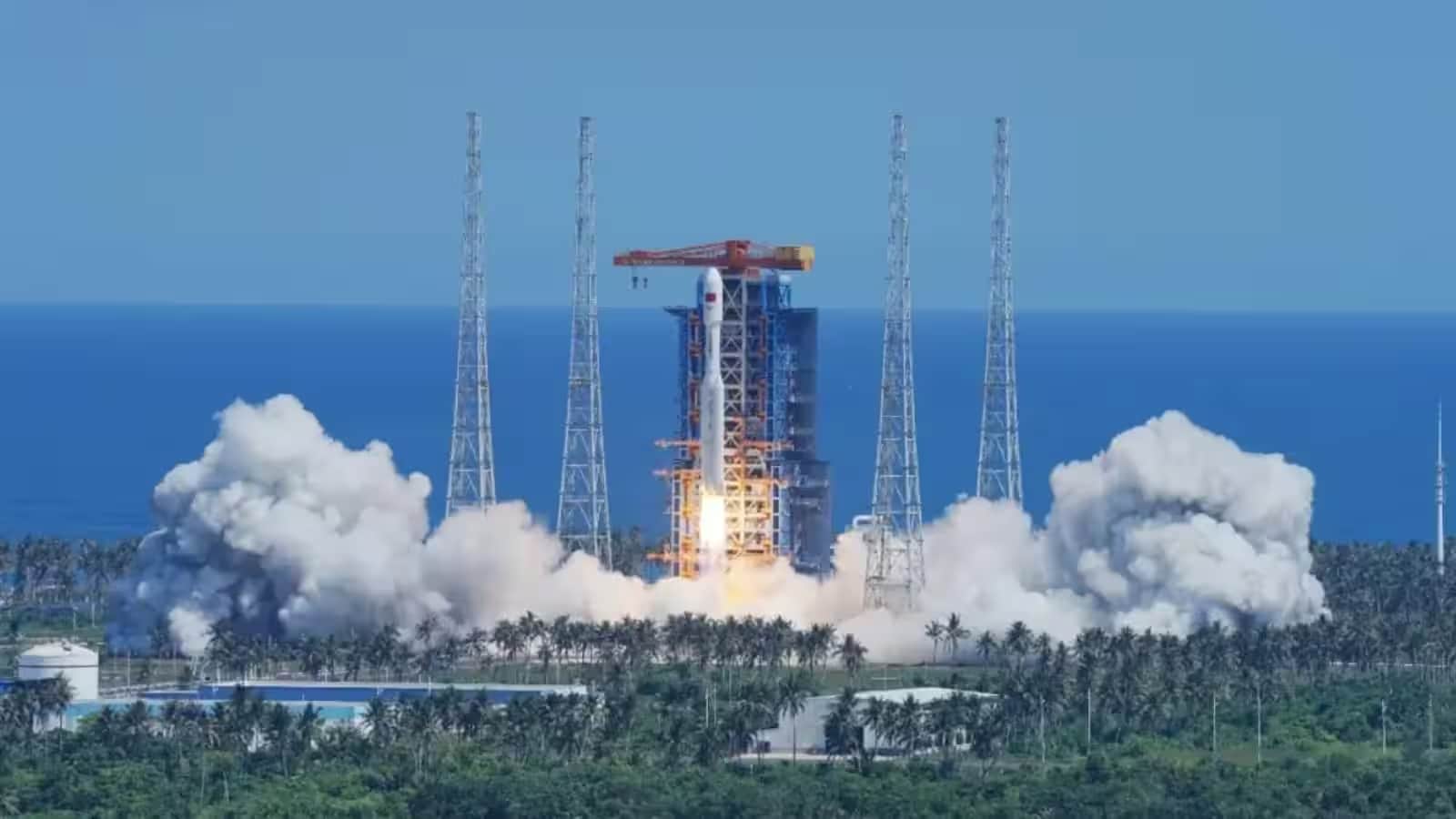
Image: ixbt.com
China has pushed its Qianfan broadband constellation to 200 satellites in orbit after back-to-back launches on 4 and 5 June added 36 more spacecraft in just two days. The pace is hard to miss: what started as a slow build now looks like an industrial sprint, and Beijing clearly wants a homegrown answer to Starlink that is big enough to matter.
The two launches came from different sites and on different rockets, with 18 satellites carried on each flight. That kind of split cadence is useful for resilience and scale, and it also shows how seriously China is treating low-Earth-orbit internet as strategic infrastructure rather than a science project.
Two Qianfan launches in two days
The first batch lifted off on 4 June from Taiyuan aboard a Long March 6A rocket and reached the planned orbits successfully. A day later, another 18 satellites rode a Long March 8 from Hainan, bringing the latest total to 200. For a constellation still in its buildout phase, that is a sharp acceleration, especially compared with the slower early rhythm after the first Qianfan satellites went up in August 2024.
China has been widening its satellite internet push across multiple systems, and Qianfan now sits ahead of another major domestic constellation, Guowang, which has 168 satellites. That rivalry inside China is a sign of where the market is headed: the real contest is no longer whether satellite broadband scales, but which network gets there first with enough density to be useful.
Recommended reading
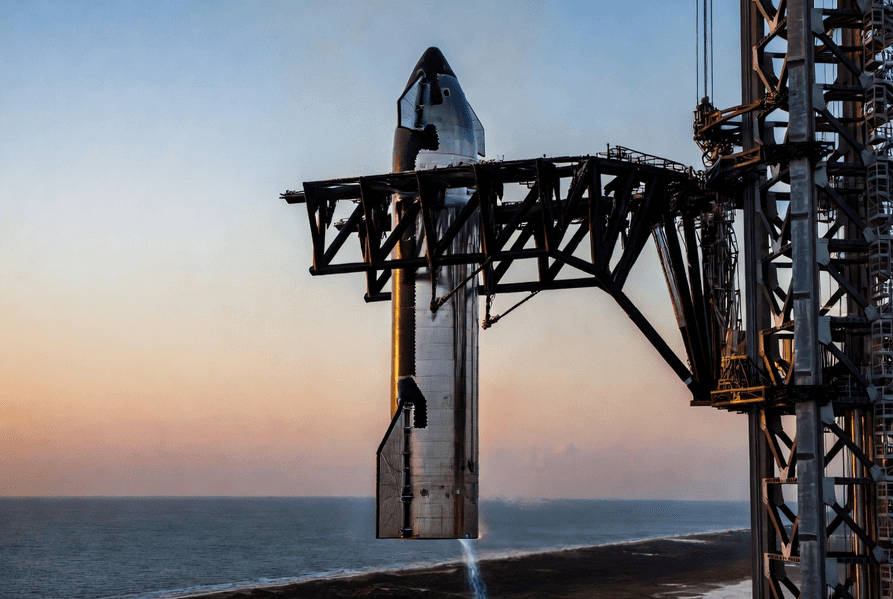
SpaceX may catch Starship on its next flight
How Qianfan stacks up against Guowang
- Qianfan satellites in orbit: 200
- Guowang satellites in orbit: 168
- Latest increase for Qianfan: 36 satellites in two days
- Launch vehicles used: Long March 6A and Long March 8
SpaceSail, the Shanghai-based company developing Qianfan, says the constellation is meant to grow into a global satellite internet network with more than 10,000 satellites. That is an enormous target, and it puts China in the same club as the companies and governments betting that orbital megaconstellations will shape broadband access, military communications, and industrial connectivity over the next decade.
Qianfan launch pace is the real signal
Six Qianfan launches have already been conducted since the start of April 2026, which is the clearest evidence yet that the program has shifted into a higher gear. If that cadence holds, Qianfan will stop being a promise and start becoming a serious piece of China’s digital infrastructure – and a much bigger headache for rivals trying to keep up.
Frontier Editor
Dan is our resident futurist, covering electric mobility, space exploration, and the smart home. He's interested in atoms just as much as bits. Whether it's a new battery chemistry, a reusable rocket, or a protocol that finally makes IoT devices talk to each other, Dan breaks down the engineering that pushes humanity forward.
via ixbt.com