• 3 min read
PsiQuantum chases useful quantum computing first
MIT Technology Review spotlights PsiQuantum’s bid to build a useful quantum machine and a new podcast on Norway’s record subsea tunnel.
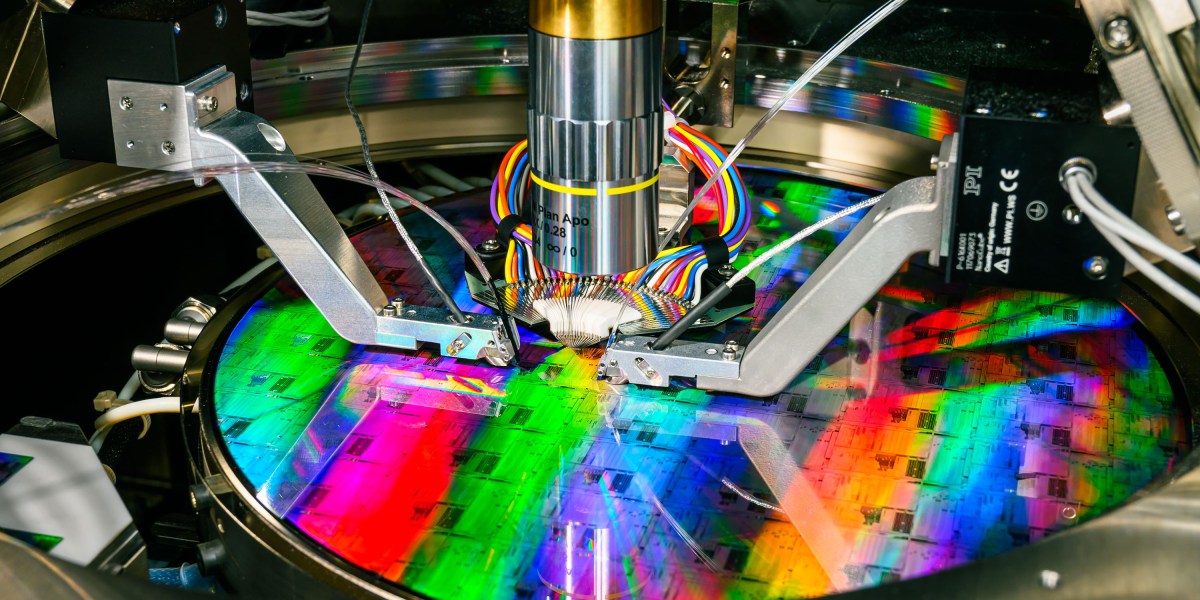
Image: MIT Technology Review
PsiQuantum, a startup founded in 2016 by four physicists from UK universities, is pursuing one of the boldest goals in computing: building what MIT Technology Review describes as a useful quantum machine.
According to the publication, the company’s vision centers on a system made up of some 100 stainless-steel cabinets, each holding hundreds of chips. Across those chips, thousands of light particles would move through a network of optical switches and beam splitters. The key challenge is measurement: each photon must be tracked precisely to help answer problems that current computers might take millions of years to solve.
PsiQuantum’s pitch
The machine described in the report does not yet exist. But it captures the scale of PsiQuantum’s ambition as it competes in a crowded quantum sector filled with deep-pocketed competitors and similarly sweeping promises.
MIT Technology Review says the company is aiming to be the first to build a useful quantum machine. The full story, written by James O’Donnell, follows that quest.

Recommended reading
OpenAI’s first gadget is a $230 coding keypad
A record subsea tunnel beneath the North Sea
The same edition also highlights a separate engineering project: what will soon become the world’s longest and deepest subsea road tunnel.
In a narrated feature by Niall Firth, the reporter describes standing around 1,000 feet beneath the North Sea, under Norway’s fjords, inside the tunnel works. The project will create a 16.6-mile highway reaching 1,280 feet below the sea at its deepest point.
Firth frames the tunnel as more than a transport link. He writes that he wanted to understand how such an enormous structure is built, but also to reassure himself that large-scale engineering still happens at a moment when progress can feel elusive.
“And also—at a time when it can feel hard to get anything done—to reassure myself that ambitious engineering is still possible. That we can still make things.”
The tunnel story is the latest to be adapted for the MIT Technology Review Narrated podcast, which the outlet says is published each week on Spotify and Apple Podcasts.
Other stories in the latest Download
The roundup also points readers to a wide set of technology stories, including:
- Lawsuits alleging Meta used AI to help target workers with health issues for layoffs
- Reports that OpenAI’s first consumer device will be a mobile smart speaker designed as an “AI companion”
- The US military’s first combat use of explosive drone boats
- DeepMind CEO Demis Hassabis calling for a US-led body to test frontier models for national security risks
- A $6.3 billion power auction charge tied to data center demand in 13 states
- Reporting that xAI’s unpermitted power pollution falls hardest on Black communities
- A joint bid from Stripe and Advent to buy PayPal for more than $53 billion
- DeepSeek’s plan to file for an IPO as soon as this year
The issue also features a quote from Alex Reisner, a staff writer at The Atlantic:
“By economic and engineering measures, generative AI might be the worst technology ever deployed.”
And in its “One More Thing” section, Kim Zetter reports on how cybersecurity researcher Allison Nixon, chief research officer at Unit 221B, responded after anonymous hackers posted death threats and other abuse targeting her in April 2024.

Computing Editor
Tomas lives in the terminal. He covers chips, laptops, and operating systems with a focus on performance and efficiency. He reads kernel changelogs the way other people read fiction, and he's always on the hunt for the perfect mechanical keyboard switch. If it processes data, Tomas has an opinion on it.