• 3 min read
New Glenn explosion threatens NASA lunar plans and Amazon Kuiper
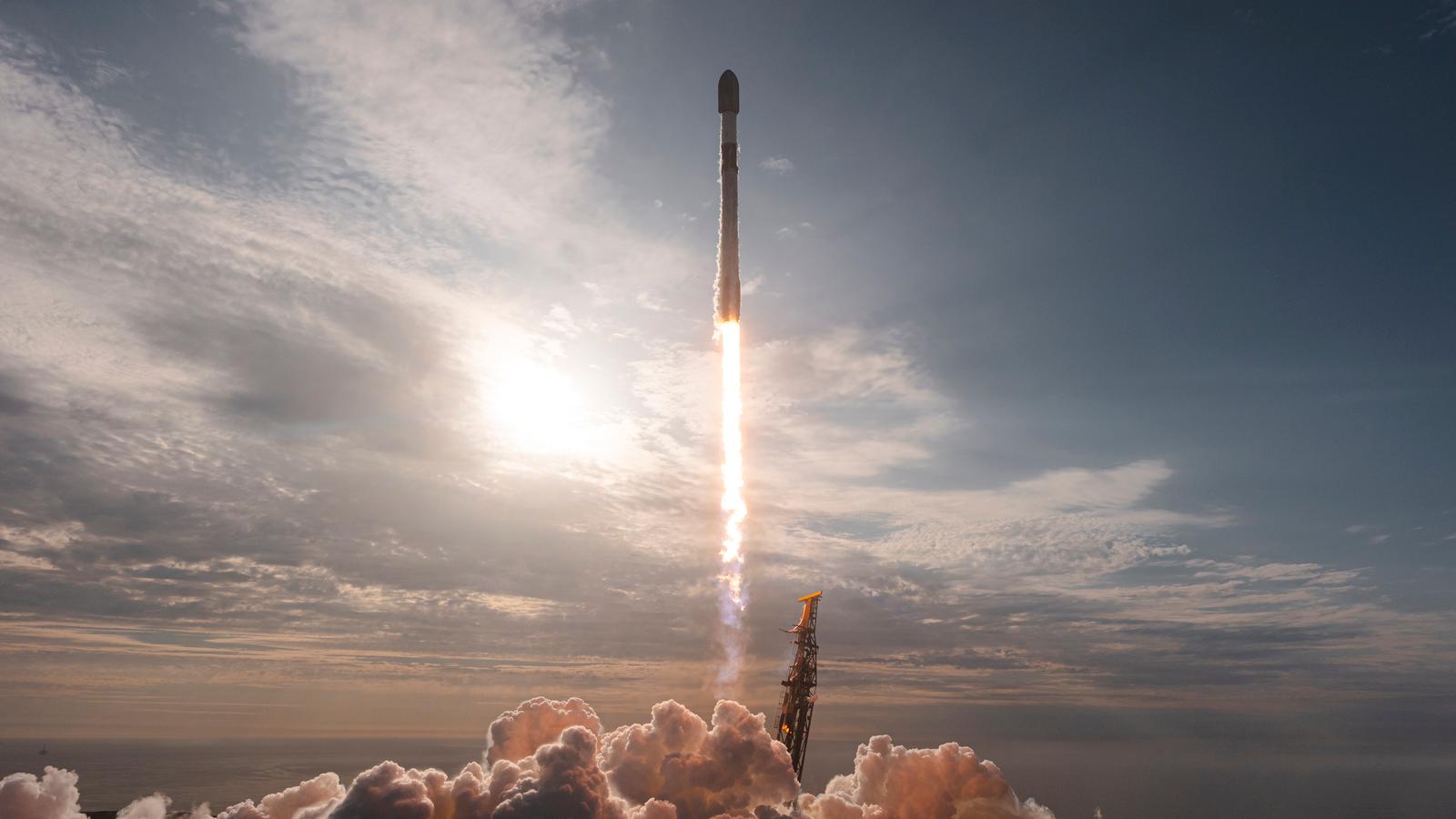
Blue Origin’s New Glenn just turned a bad day into a strategic headache. The heavy rocket blew up during ground tests in Florida, wrecking the only launch site currently available for the vehicle, and may delay NASA’s lu

Image: ixbt.com
Blue Origin’s New Glenn just turned a bad day into a strategic headache. The heavy rocket blew up during ground tests in Florida, wrecking the only launch site currently available for the vehicle, and may delay NASA’s lunar work by months while also pushing Amazon’s Kuiper satellite internet rollout into limbo.
That is the real sting here: this was not a routine rocket mishap that can be fixed with a few new parts and a phone call. Launch Complex 36 at Cape Canaveral took serious damage, and without it New Glenn has nowhere to fly, which means the clock is now running on infrastructure, not just engineering.
Amazon Kuiper has backup launch options, but not much patience
Amazon’s Kuiper project, also referred to in the report as Amazon Leo, had been preparing to send another batch of satellites as soon as next week. That mission is now off, but Amazon is better insulated than Blue Origin because it has already booked launches on Falcon 9, Vulcan, and Ariane 6.
Even so, there is a catch. Satellite constellations are all about scale and timing, and if Amazon had been leaning on New Glenn to reach the minimum satellite count faster, the delay becomes more than a scheduling nuisance. SpaceX has spent years turning launch cadence into a moat, and this is exactly the sort of moment that shows why.
Recommended reading
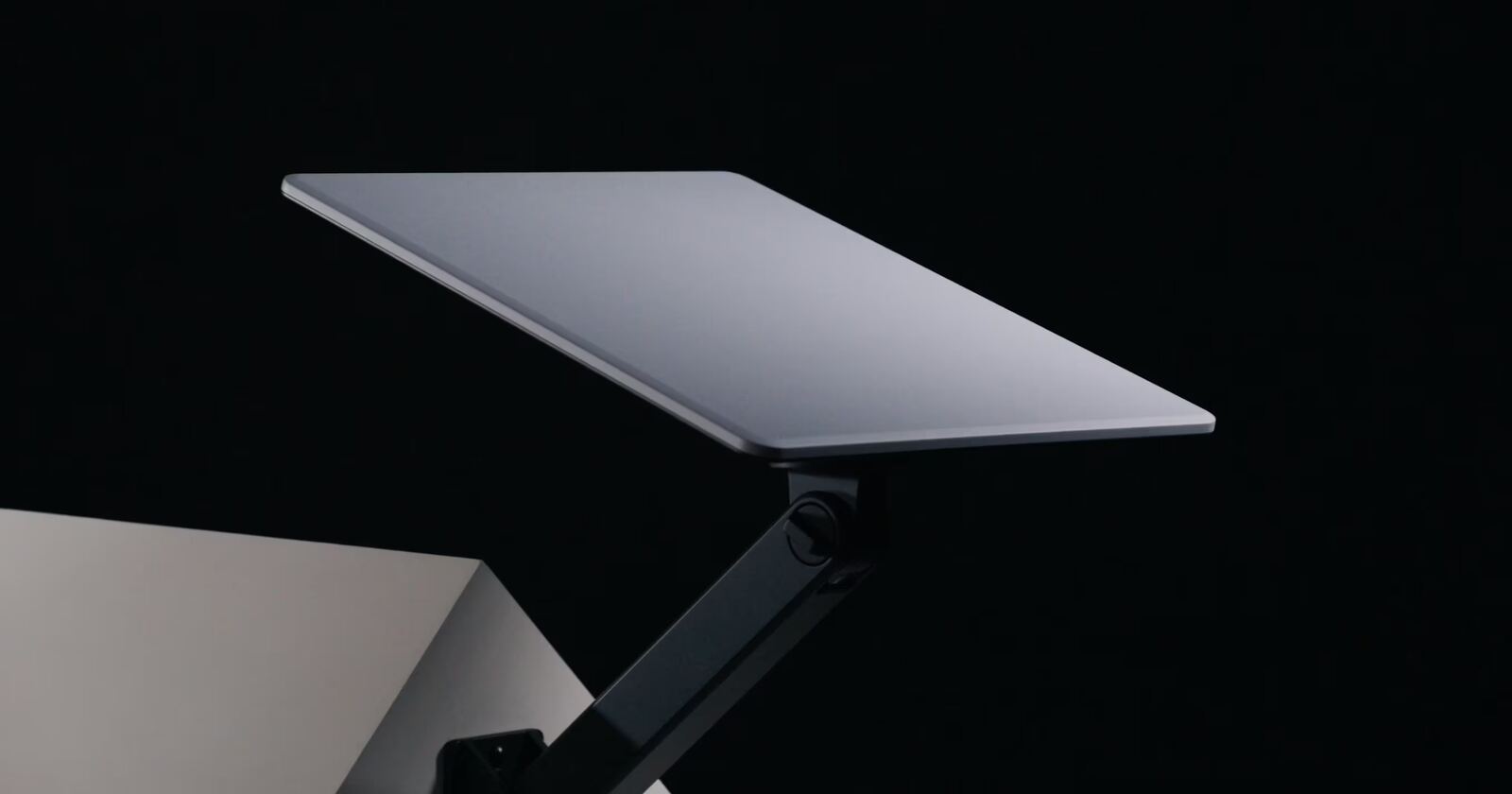
Starlink V5 dish drops 62% in weight
NASA’s Blue Moon timeline just got shakier
For NASA, the stakes are harsher. New Glenn was supposed to launch the Blue Moon Mark 1 lunar lander with agency science payloads this autumn, a key step before the larger Blue Moon Mark 2 vehicle enters the Artemis picture.
If the pad rebuild drags on, NASA may have to lean even harder on SpaceX’s Starship, despite Starship’s own technical problems. That dependency matters most for Artemis 4 and later plans to build a lasting lunar base, where every delay upstream tends to snowball downstream.
The customers still waiting on New Glenn
Commercial buyers are not spared either. AST SpaceMobile stands out as one of the most exposed customers because its large BlueBird satellites are awkward fits for many existing rockets, while New Glenn had looked close to ideal for that mission profile.
- Launch vehicle: New Glenn
- Damaged site: Launch Complex 36 at Cape Canaveral
- Amazon backup rockets: Falcon 9, Vulcan, and Ariane 6
- Potentially affected NASA missions: Blue Moon Mark 1 and later Artemis-linked work
There is still one piece of good news for Blue Origin: official interest has not evaporated. The U.S. Space Force confirmed a future New Glenn launch order for intelligence-related work in 2027-2028, which suggests government buyers still want the rocket to succeed.
The bigger question is how fast Blue Origin can rebuild what it lost. The company is now being measured not by ambition, but by recovery speed, and that will decide whether New Glenn becomes a credible heavy-lift rival or another cautionary tale in a market that badly needs more rockets, not fewer.

Frontier Editor
Dan is our resident futurist, covering electric mobility, space exploration, and the smart home. He's interested in atoms just as much as bits. Whether it's a new battery chemistry, a reusable rocket, or a protocol that finally makes IoT devices talk to each other, Dan breaks down the engineering that pushes humanity forward.
via ixbt.com