• 2 min read
NASA drops plan for a state-built ISS replacement module
NASA has backed away from a government-owned core module for the station meant to follow the International Space Station, after commercial space companies argued the agency was about to build a very expensive detour to a
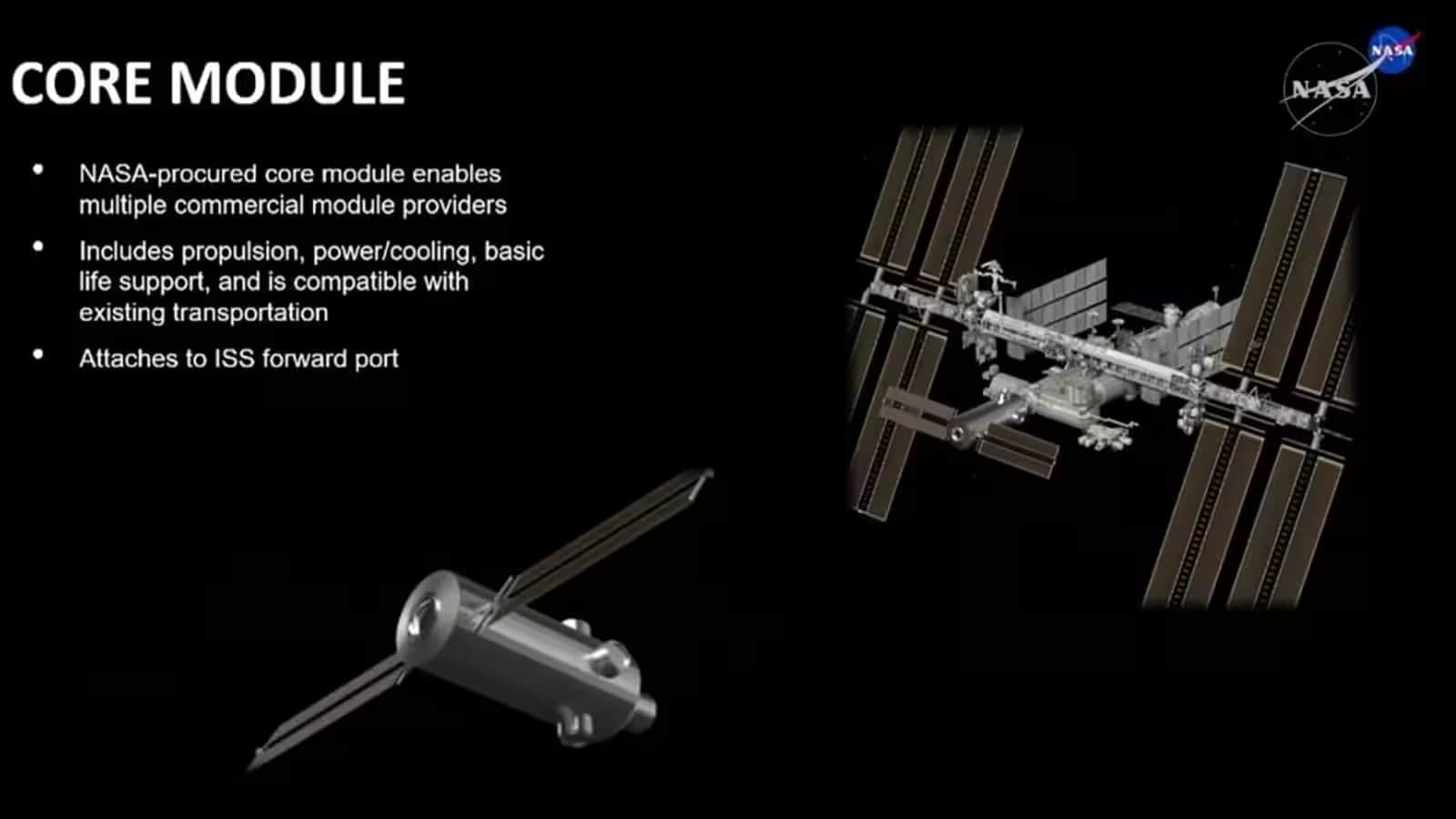
Image: ixbt.com
NASA has backed away from a government-owned core module for the station meant to follow the International Space Station, after commercial space companies argued the agency was about to build a very expensive detour to a future it already has buyers for. The agency will stick with commercial orbital stations and act as a customer, not the owner, of the next major piece of space infrastructure.
The reversal ends a proposal NASA floated in March, when officials said the commercial station market appeared to be moving too slowly and suggested a state-run central module that private partners could bolt onto later. Instead, NASA now says it sees enough demand to support commercial stations without building its own replacement module.
Why the government module idea collapsed
NASA had said it wanted independent proof that a partially NASA-funded commercial station could survive as a business. The companies answered with a different kind of proof: demand. According to industry executives, the customer base is no longer limited to NASA and its partners on the current station. Other countries wanting crewed access to orbit, plus research and manufacturing in microgravity, are also lining up.
Recommended reading
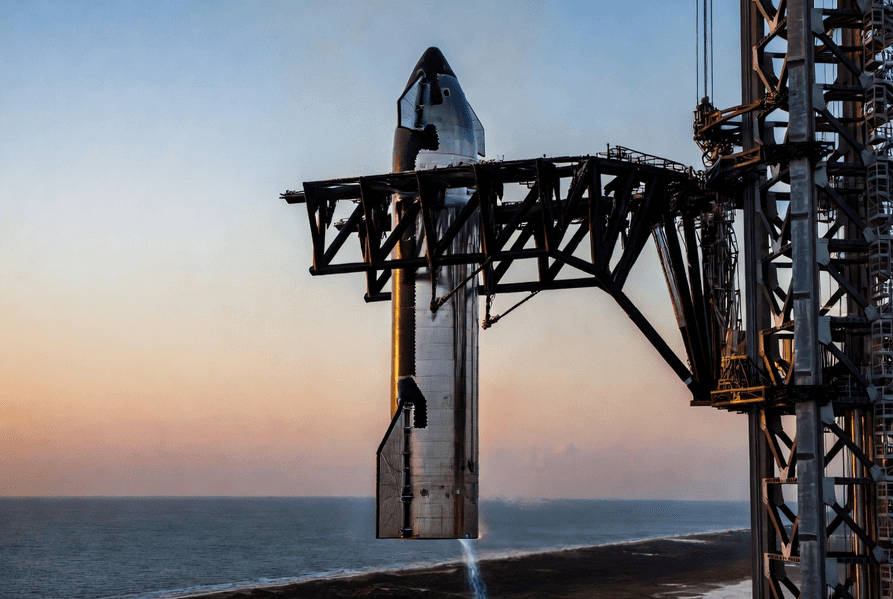
SpaceX may catch Starship on its next flight
That argument matters because the station market is already shaped by hard competition. Axiom Space, Vast, and Starlab Space are all building for the post-ISS era, while NASA still has to avoid becoming the anchor tenant that accidentally props up the whole building. In other words, the agency was warned that a government module could freeze innovation just when private developers are trying to move faster.
What the station companies told NASA
- Axiom Space called the proposal unexpected and said the idea landed badly.
- Vast pointed to the growing market for sovereign astronauts, arguing that more countries now want their own access to orbit.
- Starlab Space said it had already sent NASA hundreds of pages of analysis and estimated demand was about 40% above available capacity.
NASA’s new position is that those companies convinced it there is a durable market, with the agency as one of several buyers rather than the whole business case. The agency also says the transport side looks ready enough to support future stations, which is a polite way of saying the rocket-and-capsule ecosystem has matured enough to make this less of a science fair project and more of a procurement exercise.
NASA’s next move
The agency now plans to keep refining what it wants to buy and on what terms, alongside the companies building the hardware. A draft solicitation is expected soon, which should sharpen the contest among private developers and decide whether the next era of low-Earth orbit will be one station, several stations, or a slightly chaotic mix of both.
Frontier Editor
Dan is our resident futurist, covering electric mobility, space exploration, and the smart home. He's interested in atoms just as much as bits. Whether it's a new battery chemistry, a reusable rocket, or a protocol that finally makes IoT devices talk to each other, Dan breaks down the engineering that pushes humanity forward.
via ixbt.com