• 2 min read
NASA picks recalled Cybertruck for astronaut escapes
NASA will use Tesla Cybertrucks to evacuate Crew-13 astronauts, replacing armored MRAPs despite 11 Cybertruck recalls.
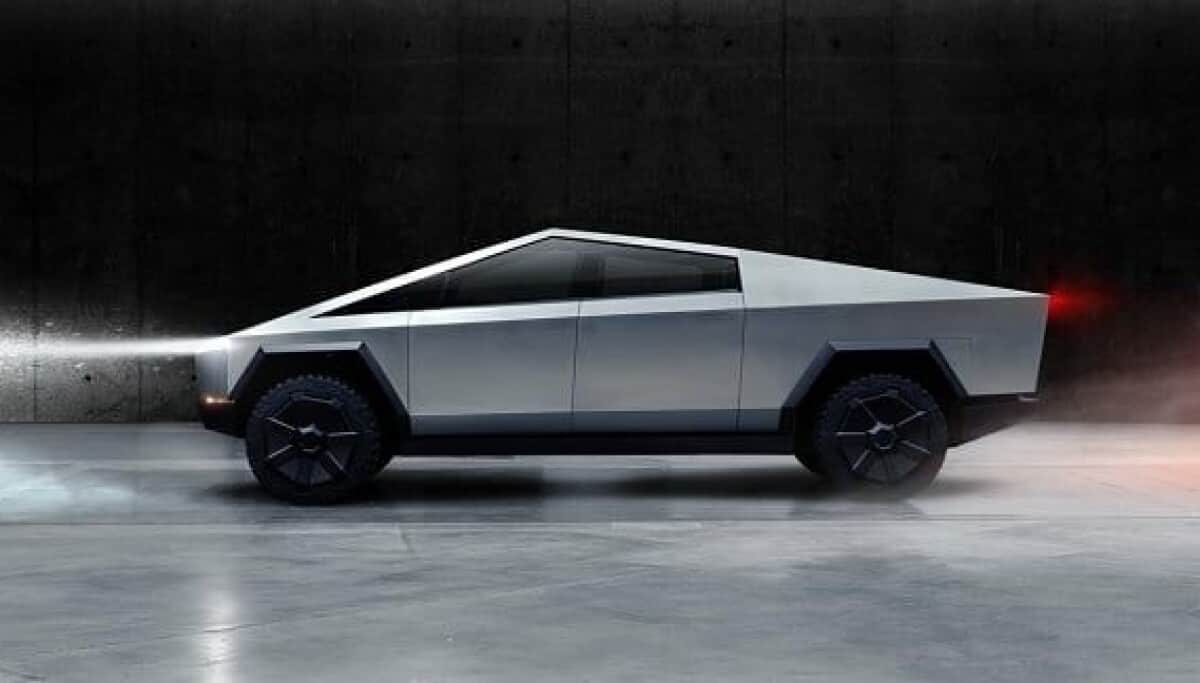
Image: The Register
Tesla’s Cybertruck is being added to NASA’s launchpad escape plan for SpaceX’s upcoming Crew-13 mission, replacing the heavily armored vehicles the agency has used to evacuate astronauts during a launch emergency.
The decision comes despite Tesla recalling the Cybertruck 11 times for problems including exterior trim panels that can fall off and an accelerator pedal that may become stuck. The Register also described the vehicle as rust-prone.
From armored MRAPs to Cybertrucks
NASA currently uses Mine Resistant Ambush Protected (MRAP) vehicles as getaway cars. These military personnel carriers are designed to withstand small-arms fire and even mine blasts. NASA previously described its MRAPs as having armor so thick that each door weighs 600 pounds:
“The sound and feel of a bank vault” and able to “function as a bunker on its own, even if it stays put.”
Several companies produce MRAPs, with the US military operating dozens of variants for different missions. NASA’s rationale for switching is practical rather than technical: agency deputy associate administrator Joel Montalbano said Cybertrucks are faster than MRAPs and easier to drive while wearing gloves. Using them also means NASA does not need to arrange for an MRAP crew at every SpaceX launch.
Asked whether SpaceX had modified the Cybertrucks for the role, Montalbano said he was not aware of any modifications. Tesla markets the vehicle’s stainless-steel body as “tough on the outside to keep you safe on the inside” and says its cabin windows and glass roof use shatter-resistant armor glass. The source also notes that Elon Musk’s demonstration of the glass’s claimed strength went wrong.
Recommended reading
MIT builds 1,000 molecular devices with 96% yield
Crew-13 launch and ISS mission
NASA discussed the Cybertruck plan during a Monday event focused on SpaceX Crew-13, which is scheduled to carry four astronauts to the International Space Station no earlier than September 12, 2026, aboard a SpaceX Falcon 9.
The crew consists of NASA astronauts Jessica Watkins and Luke Delaney, Canadian Space Agency astronaut Joshua Kutryk, and Roscosmos cosmonaut Sergey Teteryatnikov. They will join Expedition 75 on the ISS. Watkins is set to become the first person to reach the station twice in a SpaceX Dragon capsule.
The expedition will study in-space manufacturing, augmented reality, artificial-intelligence methods for crew health checks, and bioprinting human tissue.
SpaceX has conducted 90 Falcon rocket launches in 2026, all of which left the launchpad. That record makes it likely the Cybertruck’s emergency-rescue capability will remain untested during Crew-13—but NASA is still putting astronauts' evacuation plans in a vehicle with a substantial recall history.
Frontier Editor
Dan is our resident futurist, covering electric mobility, space exploration, and the smart home. He's interested in atoms just as much as bits. Whether it's a new battery chemistry, a reusable rocket, or a protocol that finally makes IoT devices talk to each other, Dan breaks down the engineering that pushes humanity forward.
via The Register