• 5 min read
AI data centers are becoming integrated power campuses
AI data centers are forcing gigawatt-scale power, liquid cooling, microgrids and early permitting into a single infrastructure plan.
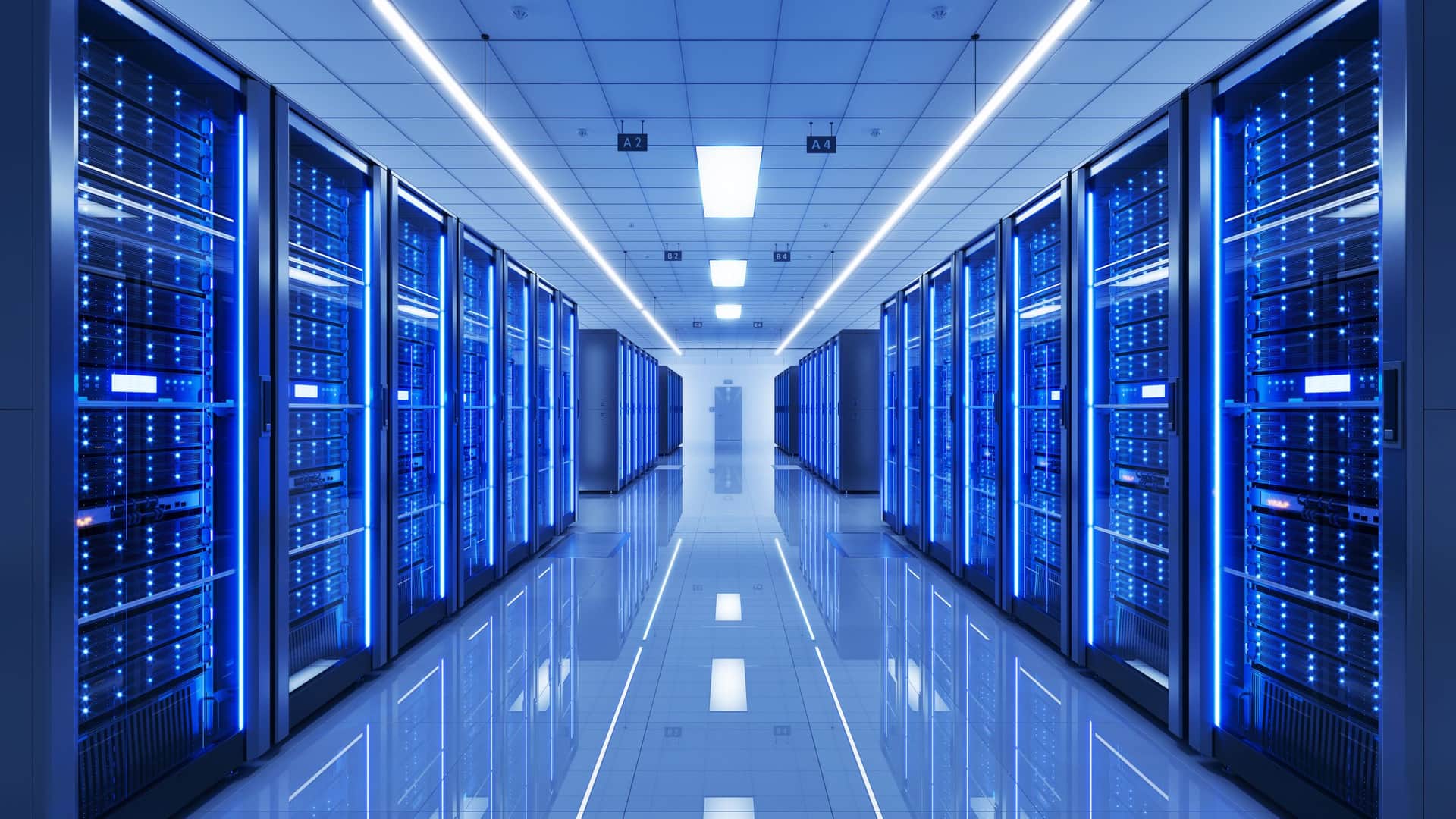
Image: TechRadar
A Texas AI training campus is being designed around 5 GW of gas generation, as much as 1.25 GW of solar photovoltaic capacity, utility-scale batteries and a microgrid serving 20 buildings. The site would total 10 million square feet, with each building planned for roughly 250 MW of demand.
That project, described by TechRadar in collaboration with engineering company Worley, illustrates how AI is changing data-center development. Facilities built for relatively stable CPU workloads are giving way to industrial-scale campuses that must coordinate electricity, cooling, water, transmission, digital systems and long-term operations from the start.
The shift is being driven by rising consumption. Data-center electricity use has grown by 12% annually over the past five years, while demand from AI training facilities is expected to drive a substantial additional increase. Developers are therefore moving toward gigawatt-scale sites while facing shorter delivery timelines and more difficult infrastructure constraints.
Site selection becomes an infrastructure trade-off
Few locations offer every requirement at once. A cheaper parcel may lack the grid, water or fiber infrastructure needed for a large campus. A site with available grid power may carry higher land costs or face connection delays that make the project commercially unattractive.
Developers must weigh:

Recommended reading
LinkedIn doubles GPU efficiency and freezes AI hardware spending
- Grid access and interconnection timelines
- Water availability and land constraints
- Fiber connectivity
- Permitting and environmental requirements
- Local acceptance of the project
- The cost and timing of new infrastructure
Where grid power is unavailable or delayed, developers can use off-grid or hybrid energy systems. Those options may bring capacity online faster, but they also require different capital structures, higher operating costs or more complicated permitting. The source does not give a cost comparison between grid-connected and behind-the-meter approaches, leaving the premium for speed as a project-specific calculation.
The broader planning challenge resembles the specialized-facility approach already emerging as AI pushes data centers beyond uniform redundancy. AI is forcing data centers to rethink resilience as workloads and infrastructure requirements diverge.
Hybrid power targets speed and control
Grid supply can provide lower long-term energy costs, stability and resilience once capacity is available. The problem is timing: grid constraints and interconnection approvals can delay a project for years.
Behind-the-meter generation, including gas turbines and reciprocating engines, can be deployed more quickly and gives operators greater control over the site’s power supply. The trade-offs are substantial: higher upfront capital requirements, higher operating costs, fuel dependence and additional air-quality or emissions permits.
For large developments, speed to market can justify paying more for an off-grid or hybrid design. Solar generation, batteries and other power sources can be coordinated through microgrid controls, which allow operators to manage changing loads, operate in island mode when necessary and optimize the overall system.
The eventual mix depends on how the project balances grid availability, resilience, cost and the date on which capacity must be operational. The Texas example demonstrates the scale of that decision, combining gas, solar, battery storage and a microgrid rather than relying on a single supply route.
Liquid and thermal storage address AI heat
Higher electrical density also means higher heat density. Traditional air cooling is struggling with the thermal loads generated by AI systems, pushing data centers toward liquid cooling, which transfers heat more efficiently and enables higher rack densities.
Liquid cooling introduces new dependencies, including the cooling equipment itself and the infrastructure needed to support it. But treating cooling as part of the wider energy system creates additional options. Waste heat can be connected to industrial processes or reused for district heating, an approach already common in the Nordic countries.
Thermal energy storage adds another control mechanism. A data center can produce chilled water when electricity is cheaper or more available, then use that stored cooling capacity during periods of peak demand. This can reduce grid draw, lower demand charges and support utility demand-response programs without interrupting operations.
Combined with batteries and advanced controls, thermal storage can help stabilize both the facility and the surrounding grid. A steel-flywheel system designed for AI data centers shows how storage is becoming part of the data-center power conversation, although the Texas project described here does not specify a particular battery or thermal-storage technology.
Permitting must start with engineering
Permitting is not a final administrative step. Grid-connected sites may face connection approvals and capacity limits, while campuses with on-site generation can require air-quality and emissions permits. Land-use restrictions, environmental reviews and community concerns can affect the layout, schedule and viability of a project.
The source argues that these questions should be addressed in parallel with technical and commercial planning. Early coordination among energy providers, technology companies, developers, regulators and local communities can prevent a design from reaching later stages only to encounter an avoidable regulatory or infrastructure barrier.
The central change is clear: an AI data center is no longer simply a building supplied by the grid. The Texas plan’s 5 GW of gas generation for 20 buildings shows the scale of the integrated industrial campuses developers are considering. Their ability to deliver capacity will depend less on any single cooling or power technology than on whether those systems, permits and stakeholders are aligned before construction begins.
Enterprise Editor
Marcus follows the money. He covers enterprise software, cloud architecture, and the tectonic shifts in Big Tech strategy. He translates dense earnings calls and complex M&A activity into actionable insights about where the industry is actually heading. If a tech giant makes a silent pivot, Marcus is usually the first to notice.
via TechRadar