• 2 min read
Moscow engineers develop rotorcraft with 90-degree rotating wings
Moscow engineers have developed a rotorcraft featuring wings that pivot 90 degrees, aiming to improve lift efficiency and reduce traditional drag challenges common in flapping-wing designs. Instead of battling drag durin
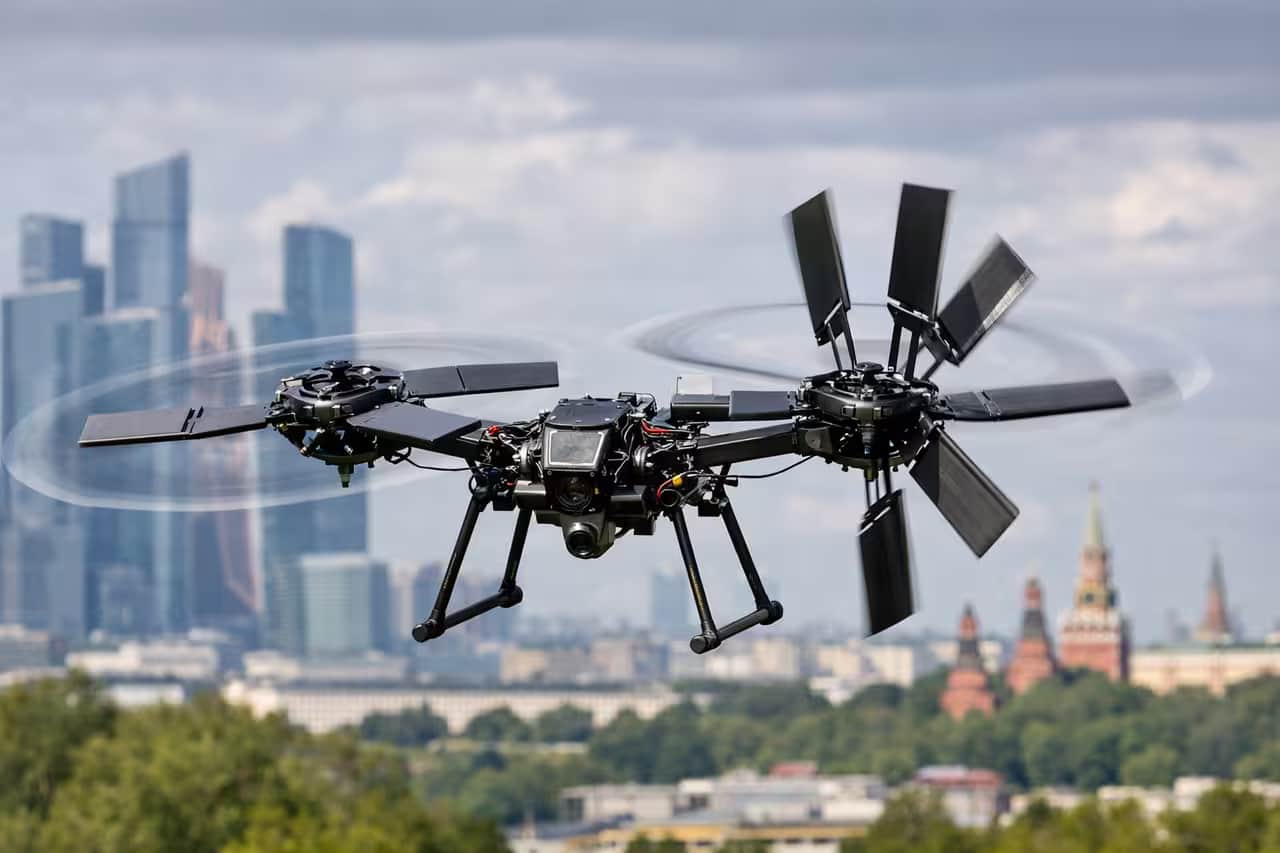
Image: www1.ru
Moscow engineers have developed a rotorcraft featuring wings that pivot 90 degrees, aiming to improve lift efficiency and reduce traditional drag challenges common in flapping-wing designs. Instead of battling drag during half the wing cycle, this machine uses two rotors spinning in opposite directions to produce steadier, more consistent lift without significant thrust dips.
How the rotary wing rotorcraft works
The design relies on segmented wings that adjust their angle of attack as they rotate. At one point during rotation, a segment generates lift like a conventional wing; at another, it pivots to minimize air resistance. This dynamic wing articulation reduces energy losses and shrinks the usual “dead” phase that undermines performance in similar rotor-based aircraft.
The team behind the craft acknowledges the continuing challenges: lift depends on wing area, shape, and the number of segments-factors that have always determined flying machine performance. While promising on paper, if the concept advances beyond presentation models, it will likely be judged alongside other unconventional aerodynamic experiments that offered high performance potential but faced tough practical trade-offs.

Recommended reading
KBSU develops lower-cost composite for hydrogen membranes
This concept may not reinvent flight overnight, but it’s a notable attempt to rethink rotor technology beyond traditional limits. Unlike flapping-wing drones or rotorcraft competing against advances from major companies like Apple or Google, this approach could carve out a niche in efficient vertical lift or compact aircraft design. Moscow’s engineering scene remains active in exploring such aerospace innovations.
Looking ahead, it will be interesting to see whether the rotating segmented wing design delivers measurable efficiency gains in real-world conditions or remains a promising yet niche development-similar to other exotic aerodynamic prototypes. The next step involves rigorous testing and comparison with existing VTOL and drone technologies currently dominating the industry.

Computing Editor
Tomas lives in the terminal. He covers chips, laptops, and operating systems with a focus on performance and efficiency. He reads kernel changelogs the way other people read fiction, and he's always on the hunt for the perfect mechanical keyboard switch. If it processes data, Tomas has an opinion on it.
via www1.ru