• 2 min read
Moscow court rejects copyright claim over AI images
A Moscow court denied copyright protection for AI-generated images used on merchandise after manual edits, ruling the changes were not sufficiently creative.
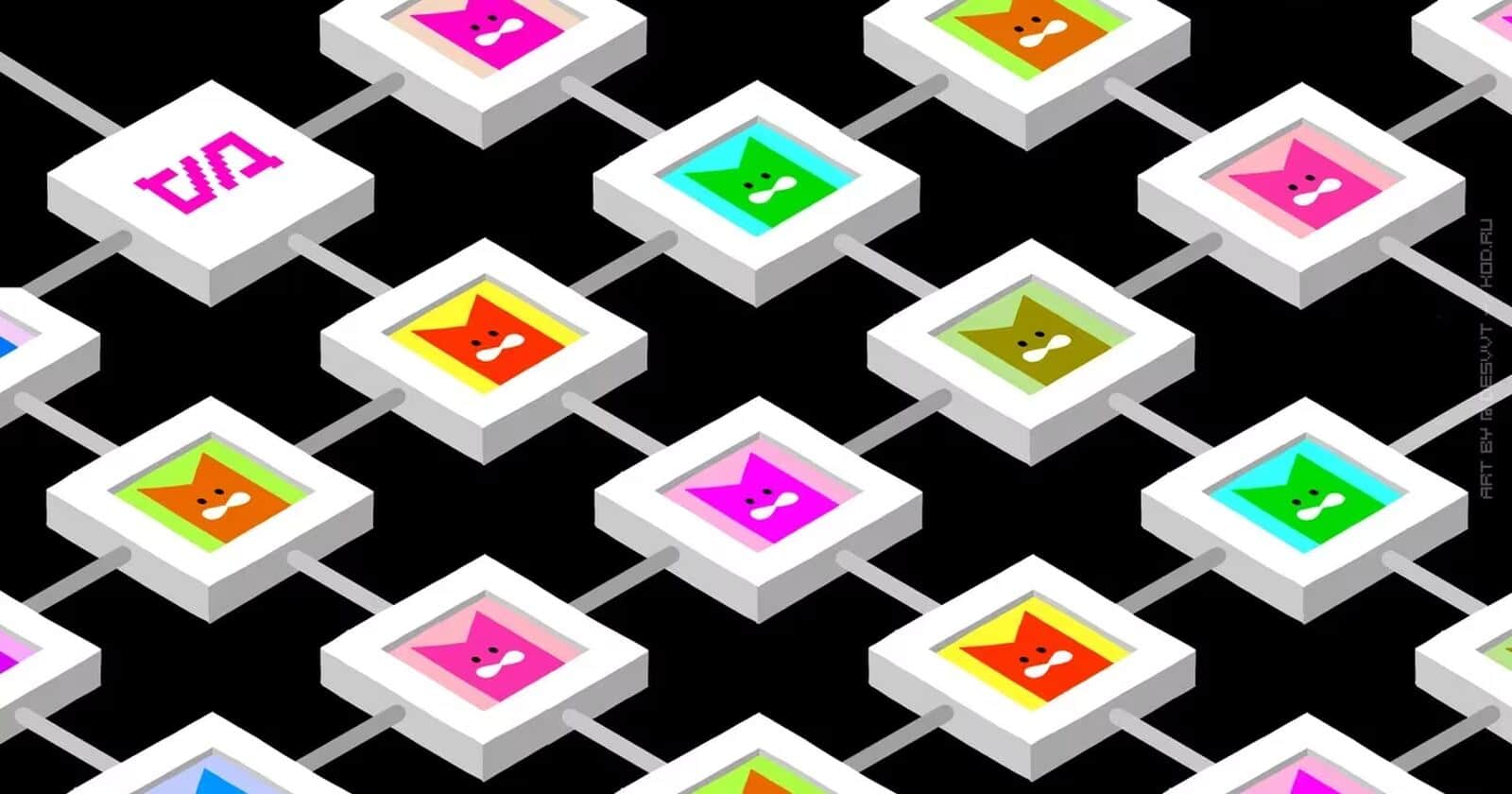
Image: ITzine
A Moscow court has refused to recognize two AI-generated images as copyright-protected works, even after the claimant manually edited them. The dispute involved merchandise printed with images titled “Mona Lisa with wine” and “Statue of Liberty with wine”—including T-shirts, hoodies, and thermal cups.
According to case materials reported by RIA Novosti, the claimant sought compensation from an entrepreneur who allegedly printed and sold the designs without permission. The claimant argued that the images were not simply generated and used as-is. He said he had changed the characters' facial expressions, backgrounds, and hand positions, while also adding a wine glass and under-eye patches.
The court rejected that argument. It found that the manual edits did not amount to an independent creative result, while generating the original image through an AI system was treated as a technical process rather than an act of authorship. The claim was therefore denied.
What the ruling says about AI-generated images
The case reaches beyond two merchandise designs. As generative services expand, rights holders increasingly face the question of who owns an image assembled by an algorithm when a person supplies prompts and makes only limited changes.
The source notes that the United States and Europe have generally taken a similar approach. The US Copyright Office requires human authorship and, in cases involving AI-generated art, examines which elements were actually created by a person and which resulted from selecting or operating the tool.
Recommended reading
Google could produce 15 million TPU v9 chips
That distinction matters for sellers of physical merchandise and digital images. Copyright protection can determine whether a creator can seek compensation, request the removal of unauthorized products from platforms, or defend against claims from others.
The unresolved line between editing and authorship
In this case, the Russian court took a strict position: when an image is generated by a neural network and a person only adjusts details, copyright protection does not arise. Future disputes will have to establish where the legal boundary lies between pressing a button and creating a protected work.
The source does not identify the specific Moscow court, provide a date for the ruling, or state the amount of compensation sought. The case was reported by RIA Novosti and cited by Kod.
AI Editor
Ava covers the rapidly evolving world of artificial intelligence, from foundational models and research labs to the real-world economics of intelligence. With a background in computational linguistics, she cuts through the hype to find out what actually works. She firmly believes that benchmarks are just marketing until reproduced in the wild.
via ITzine