• 3 min read
MLB draws a line on AI iPads in dugouts
MLB has banned dugout iPad apps that make real-time game recommendations, including pitching calls and substitutions, while still allowing analytics and video.
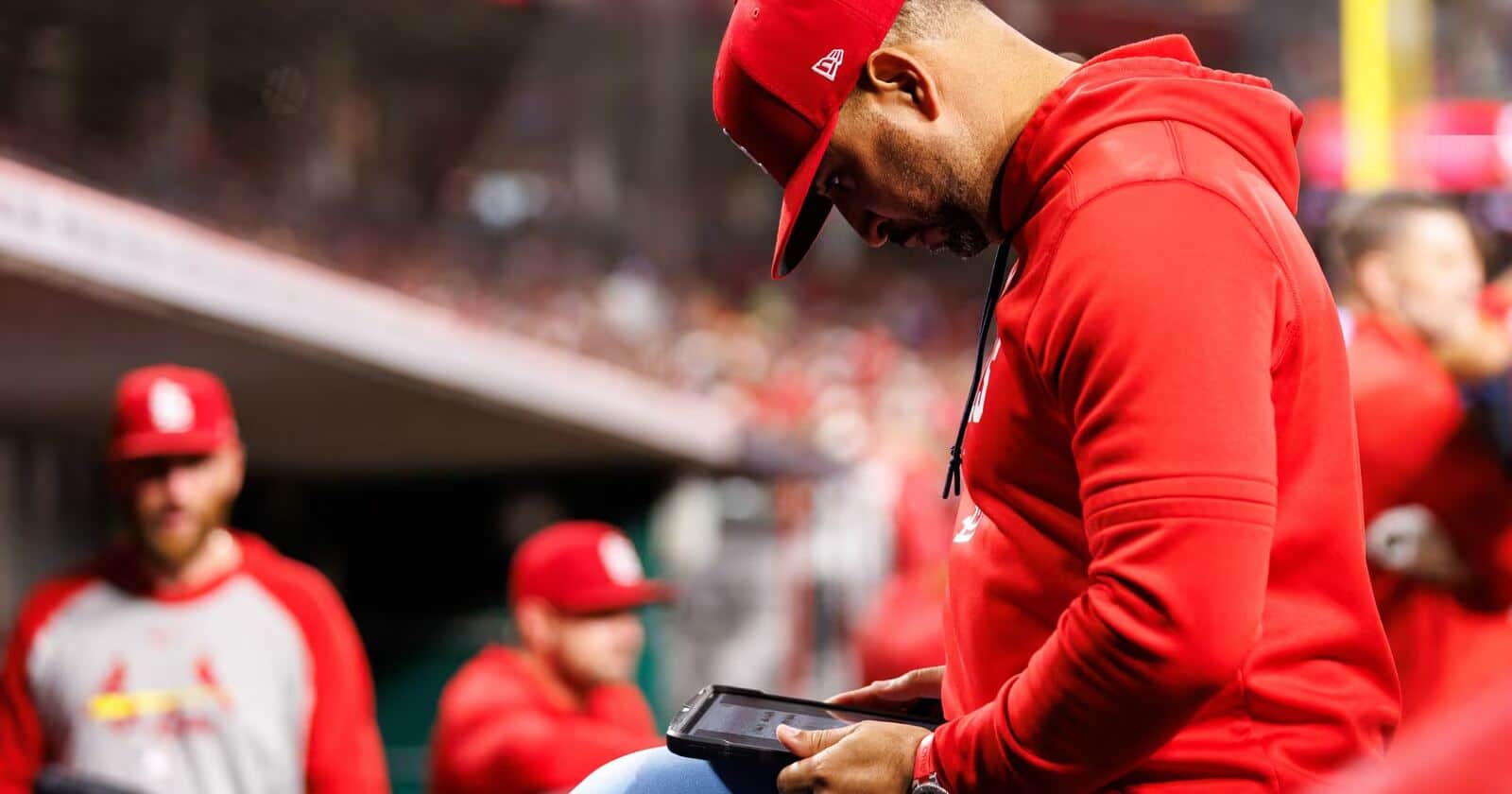
Image: ITzine
MLB has told teams to stop using iPads in dugouts for apps that make real-time recommendations during games, according to The Athletic. The midseason restriction targets generative AI tools that suggest substitutions, pitch selection, and other in-game decisions—work that typically belongs to coaches and players.
Teams were notified in a memo from the commissioner’s office on June 11. The report says up to a third of clubs had already been using tablets not just as reference tools, but to run custom software that offered live recommendations. After reviewing the practice, MLB did not punish any teams, saying organizations had adjusted before the rule took effect.
The wording is narrow. MLB is not banning data, video, or statistical analysis outright. The league has long relied on models for scouting, opponent prep, and pitch-by-pitch analysis. What it is banning are apps that take over with “recommendations on substitutions, pitch calls, and other game decisions.” In other words, MLB is trying to define where analytics ends and game management begins.
Dugout tablets themselves are not new. Over the past decade, MLB gradually allowed digital tools to replace paper printouts and thick binders of stats. Teams gained fast access to video and hitter-pitcher splits, and Apple spent years as a visible technology partner in that part of the league’s infrastructure.
Then came a harder line on field-side technology after sign-stealing scandals, most notably the Houston Astros case, which led to a $5 million fine and executive suspensions in 2020. The logic is straightforward: the more tech sits next to the game, the easier it is to push beyond analysis and into rule-breaking.

Recommended reading
1X’s Neo robot hands now unzip jackets and stack Lego
The new AI restriction follows that same pattern, but shifts the focus from cameras and monitors to recommendation systems. At the same time, MLB continues to embrace technology where it controls the framework. Two prominent examples are:
- Statcast, the tracking system used to measure ball speed, launch angle, and defensive play
- ABS, the automated balls-and-strikes system MLB has tested in the minors and at exhibition venues
That mirrors a broader trend in sports. NBA and NFL teams also rely heavily on advanced analytics, but the public dividing line is usually the same: models can inform decisions, but coaches make the final call during the game. Generative AI blurs that line because it can produce direct answers in conversational form, instantly, from the bench.
There is also a more human argument behind the ban. Baseball still turns on factors that do not fit neatly into a model: a pitcher’s condition, a catcher’s nerves, a reliever’s fatigue. Seen that way, the move looks less like resistance to technology and more like an attempt to keep part of the game in human hands.
For MLB, the stakes are not trivial. Forbes estimates the average club is now worth more than $2.6 billion, making any disputed technology practice both a competitive issue and a reputational one. If a team challenges the line between “analysis” and “recommendation” next season, the league may have to define that boundary far more precisely.

AI Editor
Ava covers the rapidly evolving world of artificial intelligence, from foundational models and research labs to the real-world economics of intelligence. With a background in computational linguistics, she cuts through the hype to find out what actually works. She firmly believes that benchmarks are just marketing until reproduced in the wild.
via ITzine