• 2 min read
Hack points to Suno scraping 2 million songs
Leaked code suggests Suno pulled 2,013,545 tracks from YouTube Music and thousands of hours from Deezer as copyright lawsuits mount.
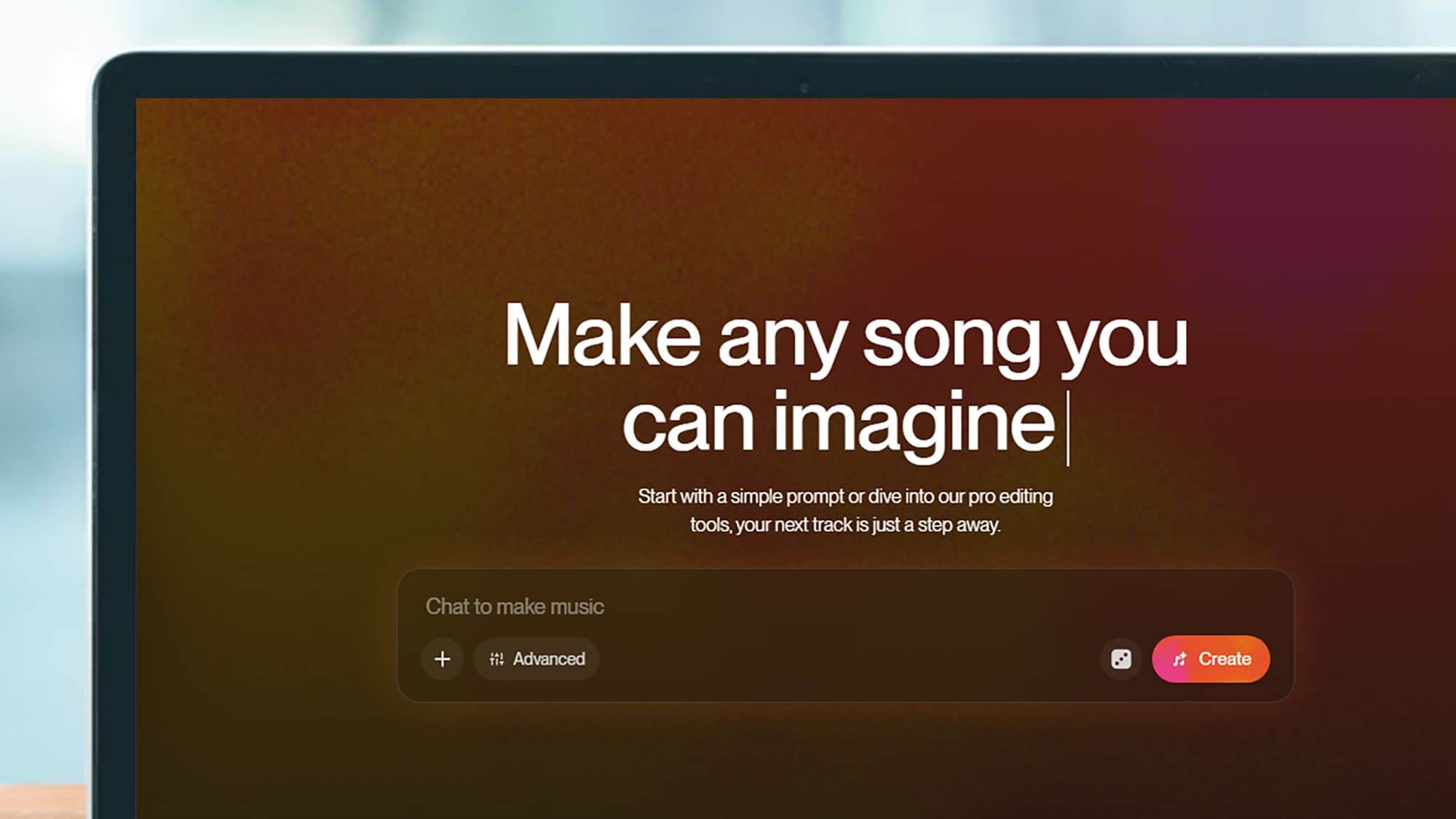
Image: TechRadar
Leaked code from Suno appears to show how extensively the AI music company gathered training data from online music services and other sources. According to 404 Media, a hacker using the name ellie.191 accessed Suno source code and training libraries, uncovering references to platforms including YouTube, YouTube Music, Deezer, Genius, and the International Music Score Library Project.
The files, dated 2023 and 2024, reportedly point to 2,013,545 tracks being ripped from YouTube Music and 12,287 hours of music being ingested from Deezer. The code also appears to reveal some of Suno’s collection methods, including software that searched YouTube for acapella versions of songs for vocals training. It also reportedly targeted large numbers of podcasts.
Suno is already facing multiple lawsuits over training its models on copyrighted music without permission, including a case filed with the participation of the Recording Industry Association of America (RIAA). The core legal fight is not whether Suno used copyrighted music. The company has already said it trained on “essentially all music files of reasonable quality that are accessible on the open internet.” The dispute is whether that use qualifies as fair use.

Recommended reading
Ex-OpenAI team unveils Inkling with 975B parameters
The case mirrors battles unfolding across other creative industries, including writing, photography, and filmmaking, where companies have relied on human-made works to train models while often avoiding licensing payments.
Online reaction to the report has been blunt. One Reddit user wrote that “this is literally what every LLM in existence has done,” while another described the practice as “staggering theft.”

AI Editor
Ava covers the rapidly evolving world of artificial intelligence, from foundational models and research labs to the real-world economics of intelligence. With a background in computational linguistics, she cuts through the hype to find out what actually works. She firmly believes that benchmarks are just marketing until reproduced in the wild.
via TechRadar