• 3 min read
Minnesota’s nudification ban survives xAI challenge
Minnesota’s nudification ban is now active after a judge rejected xAI’s emergency challenge. Victims can sue, with penalties reaching $500,000 per image access.
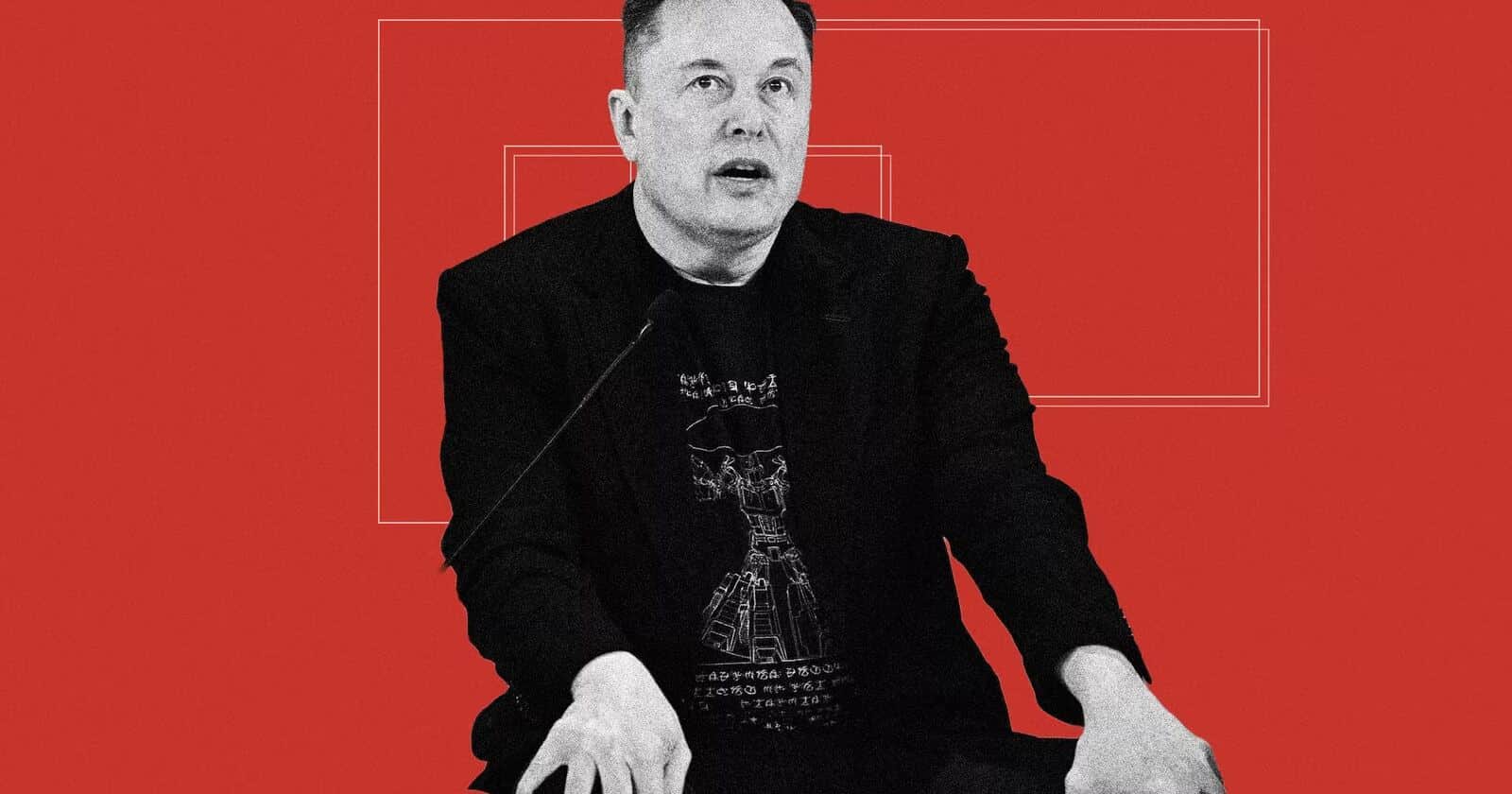
Image: ITzine
Minnesota’s ban on nudification services is now in effect, despite an emergency challenge from Elon Musk’s xAI. The law targets apps and services that automatically alter images to make recognizable people appear nude, and allows victims to sue providers directly.
Penalties can reach $500,000 for each access to an image. That means liability may extend beyond the original generation: every subsequent viewing or access could potentially create another claim, making the consequences especially serious when a compromising image spreads widely.
What Minnesota’s nudification law covers
The statute defines nudification as altering a photograph of a recognizable person so that it shows “intimate parts.” Minnesota’s definition includes:
- Genitals
- The groin
- The inner thigh
- The buttocks
- The breasts
The law is aimed at edits that are essentially automatic—performed “at the push of a button”—without substantial artistic work or specialized skill. Ordinary manual retouching is outside that definition, but services that generate a compromising image from someone else’s photo in seconds are not exempt.
The restriction applies beyond dedicated nude-generation apps. It can also cover AI tools and conventional image editors when the result is an identifiable person shown with exposed intimate parts.
Recommended reading
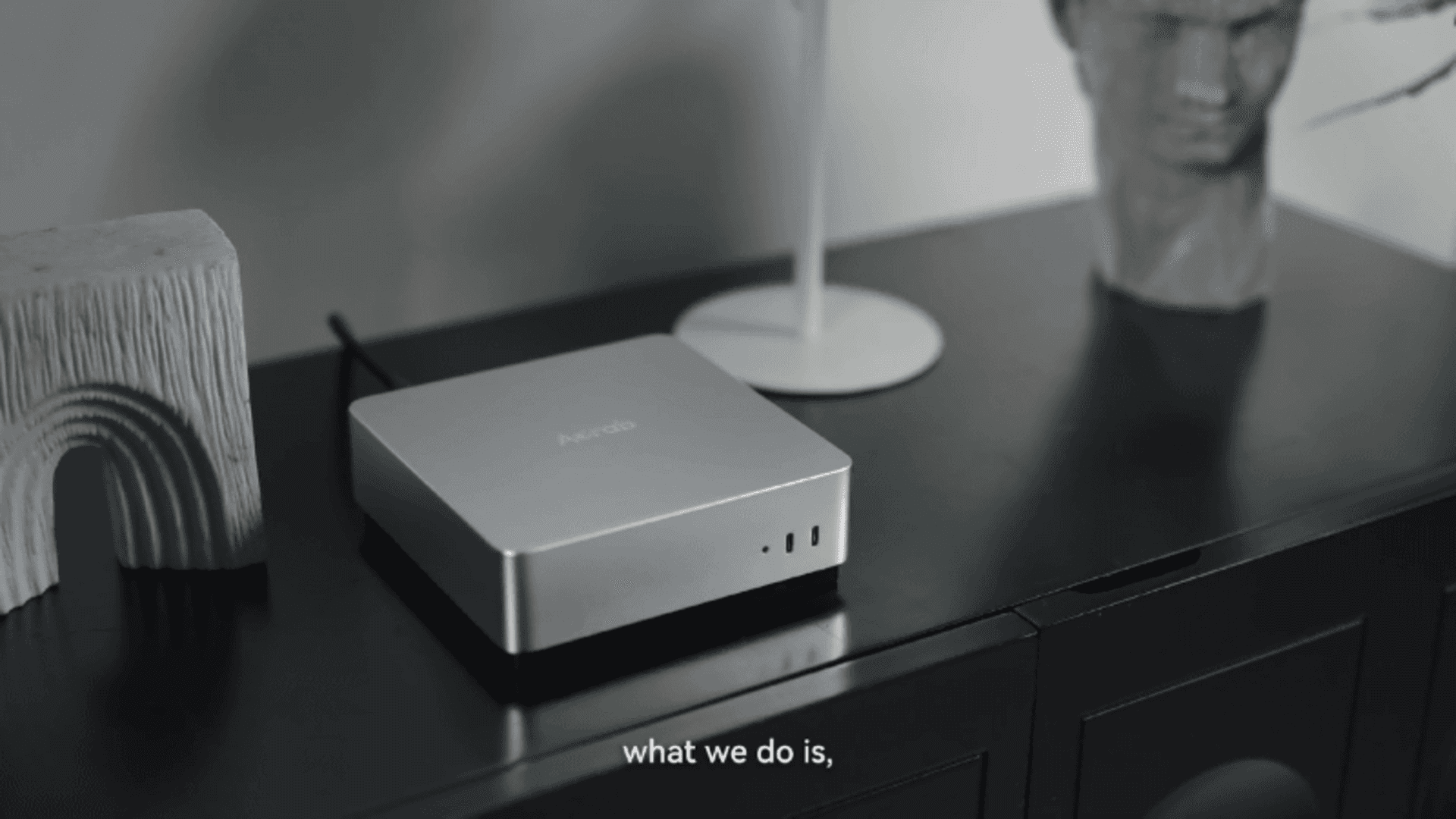
Acrab’s mini PC targets Nvidia’s $5,000 AI system
The law therefore combines three main provisions: it bans nudification services, gives depicted people the right to bring lawsuits, and permits penalties of up to $500,000 per access to the resulting image.
Why xAI’s emergency request failed
xAI sued Minnesota’s attorney general and asked the court to temporarily block the law before a full hearing on its legality. The company argued that the wording was too broad and could reach harmless generations, such as politicians depicted in swimsuits or other absurd costumes.
Judge Donovan Frank rejected the emergency request shortly before the law took effect. His decision highlighted the timing of xAI’s filing: the company submitted its lawsuit nearly three months before the hearing, yet waited until only days remained before the law’s launch to seek urgent relief.
That delay weakened xAI’s argument that it faced immediate harm. A temporary restraining order generally requires a convincing case that the threat is imminent; the court viewed the company’s last-minute request against the earlier filing and scheduled proceedings.
Pressure on Grok and image generators
The dispute also follows controversies involving Grok, xAI’s chatbot. The service had been linked to unwanted sexualized generations, including images involving minors. xAI subsequently said it had reduced features that enabled such abuse.
For regulators, those incidents reinforce the stated purpose of laws like Minnesota’s: limiting services that make harmful, non-consensual imagery easy to produce at scale. Several US states have already adopted similar laws, while federal debate is addressing related questions about responsibility for generative services.
Minnesota’s statute leaves xAI and other image-generation developers facing a direct operational question: how much will it cost to offer these tools in states where comparable restrictions are already active or are about to take effect?
AI Editor
Ava covers the rapidly evolving world of artificial intelligence, from foundational models and research labs to the real-world economics of intelligence. With a background in computational linguistics, she cuts through the hype to find out what actually works. She firmly believes that benchmarks are just marketing until reproduced in the wild.
via ITzine