• 3 min read
iPhone 20 rumors point to Apple’s biggest redesign
Apple’s 2027 iPhone 20 may bring a curved all-glass design, slimmer bezels, haptic buttons, and an under-display Face ID system.
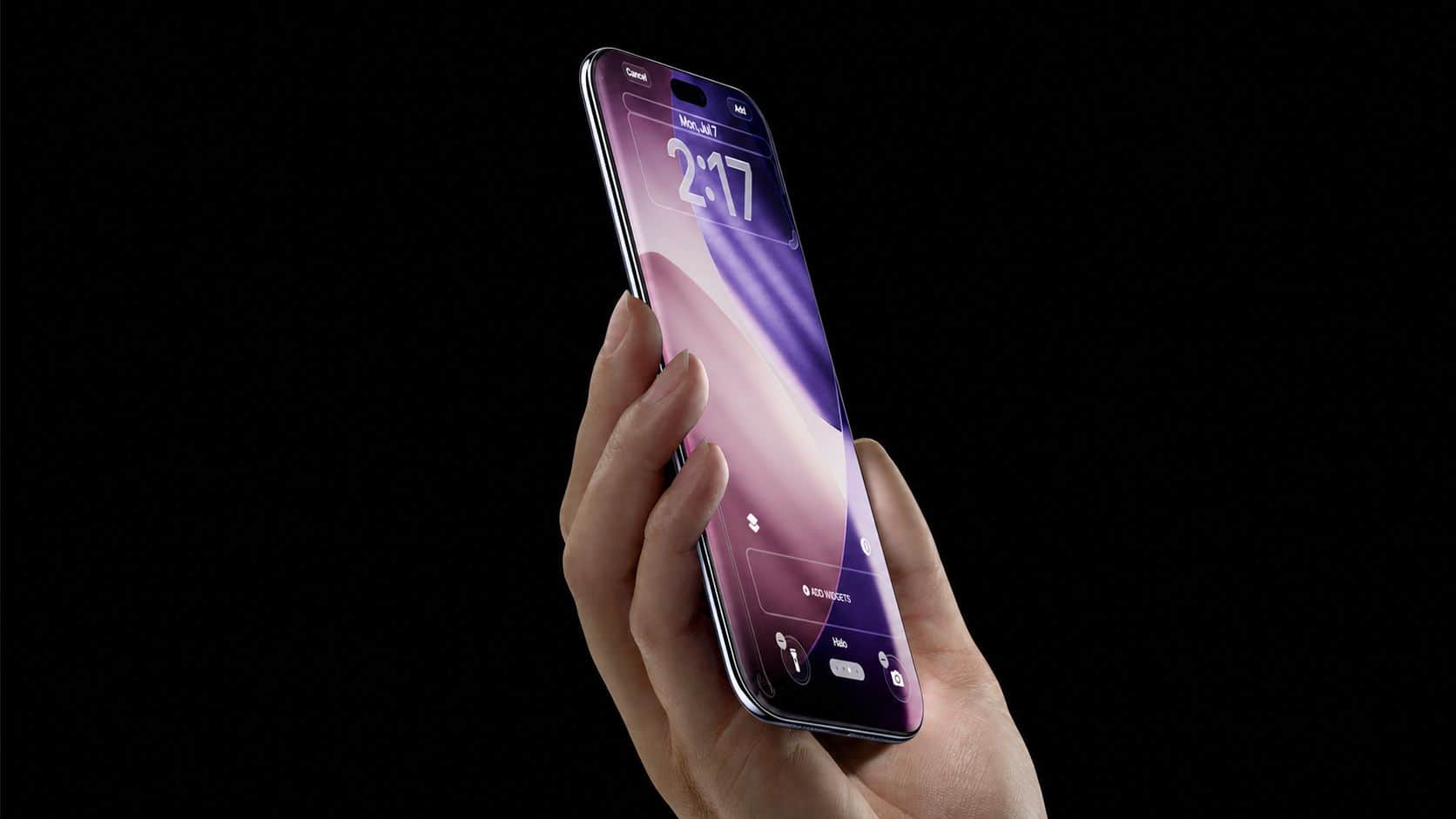
Image: MacRumors
Apple’s 20th-anniversary iPhone is expected to arrive in fall 2027 with the company’s most significant smartphone redesign since the iPhone X. Like the 2017 anniversary model, it could establish the visual template for iPhones for years to come.
The device is highly likely to launch alongside the second-generation foldable iPhone. Reports suggest Apple is pursuing a mostly glass design with a curved display, a thin frame, and potentially no visible openings on the front.
A curved, mostly glass design
Bloomberg’s Mark Gurman has described an iPhone with glass wrapping around all four edges and a return to a glass back. The concept echoes former design chief Jony Ive’s long-standing ambition for an iPhone that resembles a single slab of glass.
Apple is reportedly avoiding the deep “waterfall” edges used on some Samsung Galaxy phones. Instead, it may use an equal-depth quad-curved panel with very shallow micro-curves. The design could make edge gestures feel more natural, reduce distortion, and give the phone a softer feel in the hand.
The effect may not depend on physical curvature alone. Leaker Ice Universe has suggested that Apple could combine optical refraction, light-guiding structures, and visual engineering to make the frame appear to recede. One report claims Apple could market the panel as a “Liquid Glass Display,” matching its current software design language.

Recommended reading
Xiaomi prints 1 million smartphone guides for seniors
An unverified mock-up from an account with an unproven track record showed bezels measuring just 1.1mm, compared with approximately 1.44mm on the iPhone 17 Pro. Apple’s supply-chain facilities have reportedly completed renovations ahead of production, with build quality said to be comparable to that of the first-generation iPhone Air.
Will the iPhone 20 eliminate the Dynamic Island?
The front of the phone remains the least certain part of the design. Apple reportedly wants to move both Face ID and the selfie camera beneath the display, potentially using a “spliced micro-transparent glass” window that would allow Face ID’s infrared sensors to operate through the panel.
However, DSCC’s Ross Young has said the technology is unlikely to be fully ready in 2027. Apple is still testing an under-display camera, but the final device could retain either a small hole-punch cutout or a reduced version of the smaller Dynamic Island expected on iPhone 18 Pro models.
Two sizes and haptic controls
Apple is reportedly planning two anniversary models measuring roughly 6.3 inches and 6.9 inches, matching the expected sizes of the iPhone 18 Pro and iPhone 18 Pro Max. The larger model could be fractionally bigger and marketed as a 7-inch phone because of its slimmer bezels.
The frame is expected to be a thin, polished band, although its material is unsettled. Some reports suggest Apple could move away from aluminum. Leaker Fixed Focus Digital has rejected claims of a return to titanium or a switch to Liquid Metal, arguing that aluminum remains the practical choice given the heat generated by on-device AI processing. The distinction may leave room for a different material on the curved anniversary model.
Apple is also rumored to be reviving Project Bongo, its shelved effort to replace the mechanical Side, volume, Action, and Camera Control buttons with solid-state haptic controls. The buttons would have no physical movement and could help preserve the appearance of an uninterrupted glass surface.
Reports claim the controls have passed tests involving gloves, wet hands, extreme temperatures, and cases. An ultra-low-energy microprocessor is also said to keep them functional when the iPhone is powered off or its battery has run out.
Gadgets Editor
Eli is obsessed with the tangible future. He reviews phones, wearables, and everything with a battery. Known for his rigorous testing protocols and unabashed teardowns, Eli has broken more review units than he cares to admit, all in the name of discovering the truth about durability and repairability.
via MacRumors