• 2 min read
India Set for First Private Orbital Rocket Launch July 18
Skyroot Aerospace plans to launch its Vikram-1 rocket on July 18, marking India’s first orbital attempt with a fully privately developed launcher.
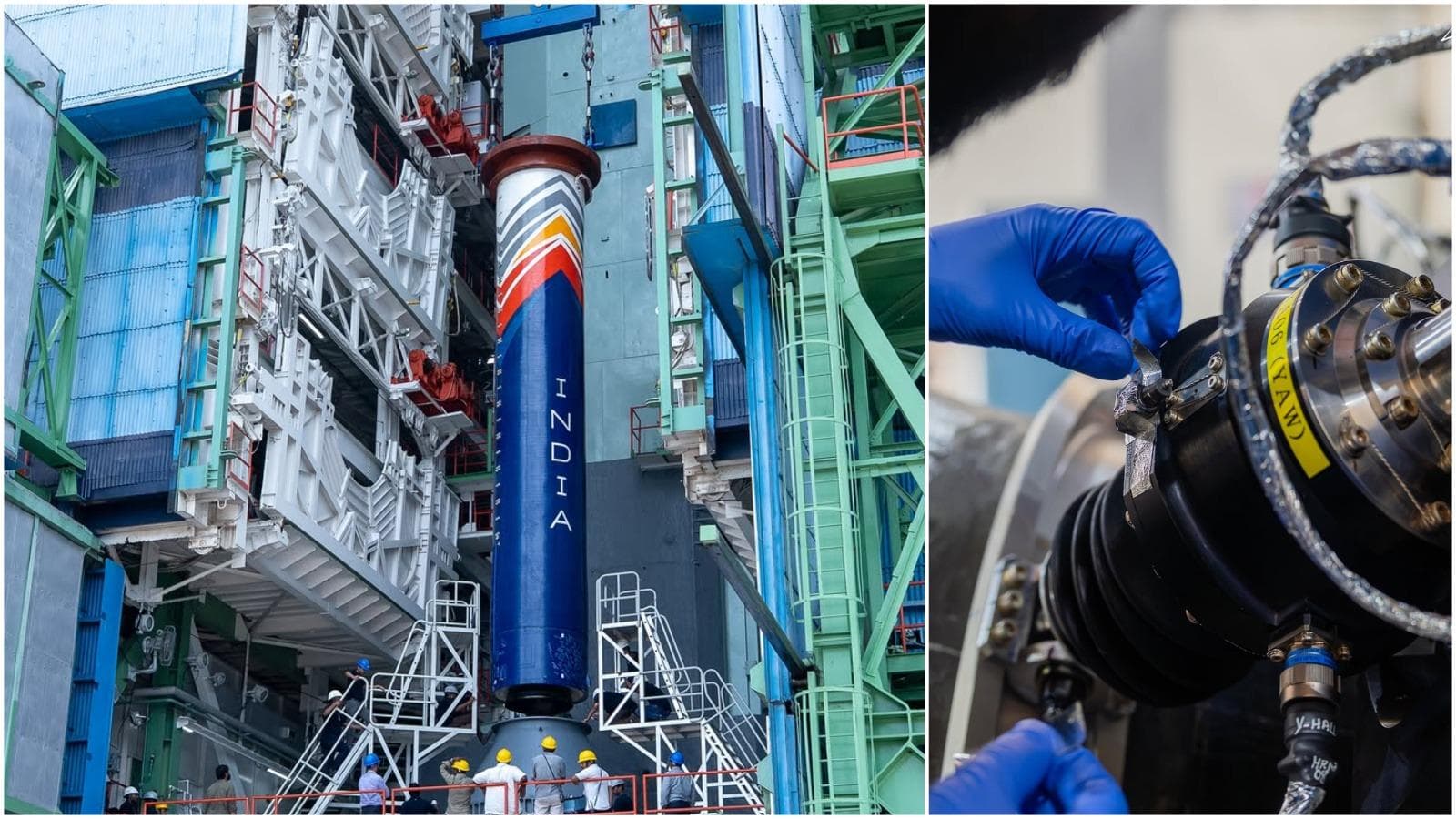
Image: iXBT
Skyroot Aerospace has set July 18 for the first orbital launch of its Vikram-1 rocket, a mission that would mark India’s first attempt to place payloads into orbit using a fully privately developed rocket. The launch is scheduled from the Satish Dhawan Space Centre in Sriharikota as part of the Aagaman (“Arrival”) mission.
The company said it has completed the full set of ground tests, and the required airspace and maritime restrictions for launch have already been put in place. CEO Pawan Kumar Chandna said the next step is to test the rocket in real flight conditions and gather data that cannot be captured on the ground.
Even though the mission is a test flight, Vikram-1 will not fly empty. The rocket is carrying several technology demonstrators, hardware from Indian company Grahaa Space, which develops Earth observation nanosatellites, systems from Cosmoserve for space debris removal technologies, components from DCubed, and Skyroot’s own SCOPE satellite. That satellite is designed to collect detailed telemetry on the rocket’s performance throughout every phase of flight.
The payload also includes an art piece called Cosmic Bloom made with diamonds, along with a miniature artwork.
Vikram-1 is named after Vikram Sarabhai, who is widely regarded as the founder of India’s space program. The rocket, about 7 stories tall, is designed to carry up to 350 kg to low Earth orbit. Its first flight is planned for a trajectory targeting an altitude of about 450 km and an inclination of 60 degrees.
Recommended reading
NASA’s small aircraft are speeding up flight tests
According to Skyroot Aerospace COO Naga Bharath Daka, the data from this launch will guide the rocket’s дальнейшая refinement. After analyzing the results, the company expects to move toward a system of regular commercial launches for small satellites.

Frontier Editor
Dan is our resident futurist, covering electric mobility, space exploration, and the smart home. He's interested in atoms just as much as bits. Whether it's a new battery chemistry, a reusable rocket, or a protocol that finally makes IoT devices talk to each other, Dan breaks down the engineering that pushes humanity forward.
via iXBT