• 3 min read
OnePlus exits the US after eight years
OnePlus is leaving the US after an eight-year run, ending a comeback that still couldn’t overcome the carrier-driven economics of the market.
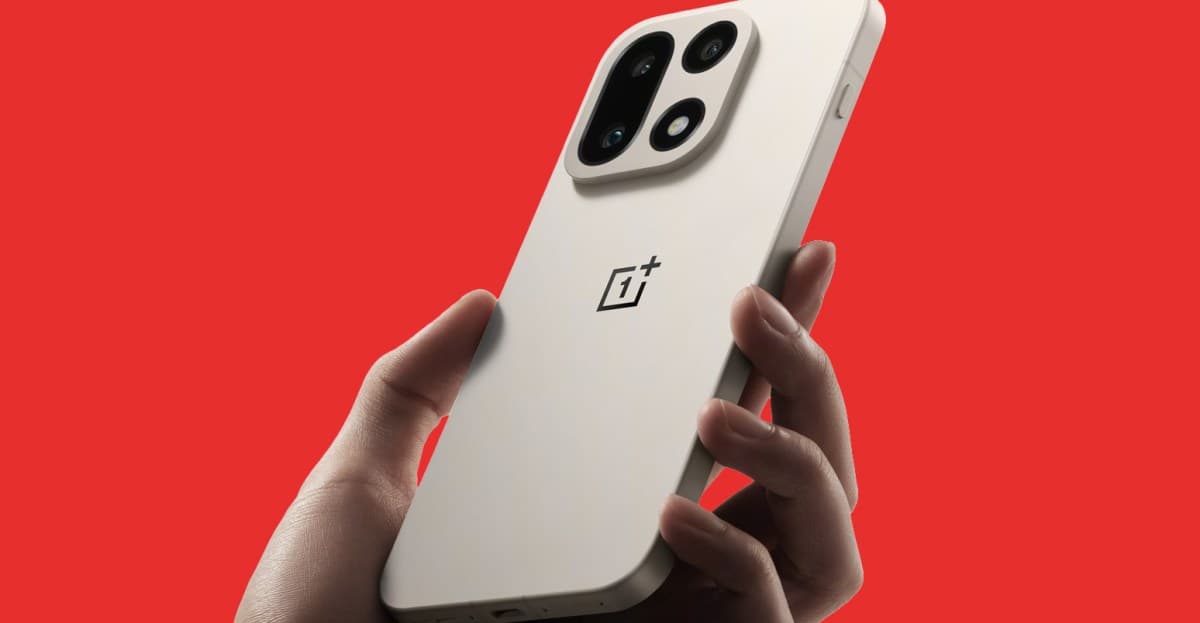
Image: The Verge
After eight years, OnePlus has exited the United States, closing the door on a brand that recently seemed to be regaining momentum with the well-reviewed OnePlus 15 and the widely praised — if still pricey — OnePlus Open.
The signs had been there for a while. T-Mobile stopped carrying OnePlus flagship phones after 2022, limiting its lineup to lower-end Nord models. Verizon’s partnership was even shorter, lasting only from 2020 through 2021. In January, Android Headlines reported that the US operation was being dismantled, a claim OnePlus denied at the time.
That outcome was not always obvious. When the OnePlus One launched in 2014, the company built a strong enthusiast following around its “Never Settle” slogan and the promise of a “flagship killer”: high-end specs at a much lower price. For years, that formula made OnePlus one of the easiest value recommendations in phones.
Recommended reading
Vivo T5 Lite 44W 5G packs a 6500mAh battery
Why OnePlus struggled with US carriers
The problem is that OnePlus' core pitch never fit the way most Americans buy phones. In the US, flagship sales are dominated by carriers pushing monthly payment plans and bill credits, not by people buying devices outright online.
OnePlus first landed with a US carrier in 2018, and T-Mobile said nearly 200,000 customers were already using OnePlus phones on its network before it officially began selling them. But that niche audience was tiny compared with Samsung and Apple, which accounted for an estimated 90 percent of all phones sold at US carriers in 2020.
The carrier model also weakens the appeal of a cheaper premium phone. A $600 “flagship killer” looks less compelling next to a $1,200 flagship when both are framed as low monthly payments tied to a 24- to 36-month plan. As cited in the piece, T-Mobile currently offers a 256GB iPhone 17 Pro for $4.16 a month, while AT&T lists the same phone at $2.78 per month with trade-in and a qualifying unlimited plan starting at $80 a month.
That gives carriers little reason to prioritize lower-cost premium devices. They make more money keeping customers on expensive long-term plans, and a pricier phone helps support that model.
Nord growth wasn’t enough
OnePlus did find some traction in the US with its budget-focused Nord line, reporting 428 percent growth in the first half of 2021. But once the company lost its T-Mobile deal in 2022, moving meaningful volume became much harder.
With the US smartphone market heavily dependent on carrier shelf space — and with reports that around 75 percent of phones sold at carrier stores are now iPhones, while Samsung takes another 15 percent or so — there was little room left for a company built around selling value-first alternatives.
That may be the clearest reason OnePlus never really broke through here: its entire identity was built on getting more for your money, while the US market is built to make the most expensive phones feel cheap enough to sign for.

Gadgets Editor
Eli is obsessed with the tangible future. He reviews phones, wearables, and everything with a battery. Known for his rigorous testing protocols and unabashed teardowns, Eli has broken more review units than he cares to admit, all in the name of discovering the truth about durability and repairability.
via The Verge