• 3 min read
Realme Drops Realme UI for ColorOS 17 in India
Realme says future phones in India will ship with ColorOS 17 instead of Realme UI, as Oppo brands move closer to a shared software base.
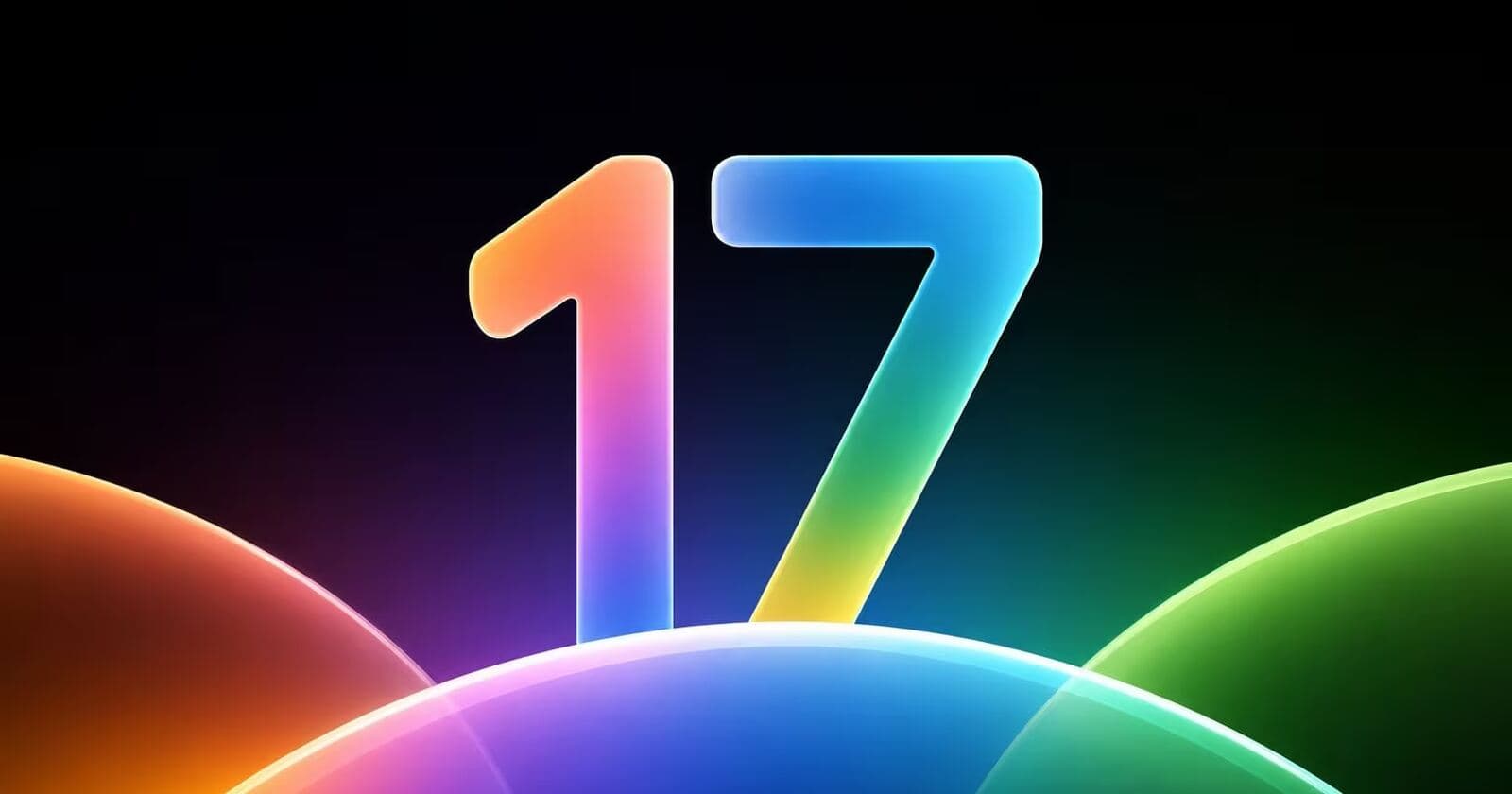
Image: ITzine
Realme is changing course in India: future smartphones will ship with ColorOS 17 instead of Realme UI, tying the brand even more closely to Oppo’s shared software platform. For users, the change may feel mostly cosmetic. For Realme, it is a way to make updates faster and cheaper.
At a press briefing, Realme’s India team said the move is meant to simplify development and speed up software releases by using shared resources inside the Oppo ecosystem. The company has not yet named the first phone that will launch with ColorOS 17. Based on its current plans, the firmware will likely debut on new Oppo devices before reaching the next generation of Realme phones.
The shift will not be limited to new models. Realme says compatible phones already on the market will also receive ColorOS 17 within their promised support window. It cited the Realme GT 8 Pro as an example: the phone launched with Realme UI 7 and is due to get four major Android updates, so the switch fits within that cycle.

Recommended reading
Vivo T5 Lite 44W 5G packs a 6500mAh battery
That may help soften the transition, because Realme UI has long looked and behaved a lot like ColorOS anyway, with similar interface logic, system apps, and visual design. In practice, Realme is returning to its roots. Its earliest smartphones ran ColorOS, and the company only introduced its own skin in 2020 as it tried to create more distance from Oppo.
OnePlus is making a similar move
Realme is not alone. OnePlus recently confirmed that its compatible smartphones will also be able to move to ColorOS 17 after the official release. On already shipped devices, that update will be optional: users can stay on OxygenOS, switch to ColorOS, and later switch back.
The logic is much the same. A common platform should reduce duplicate work, improve build quality, shorten update timelines, and make testing easier across dozens of models. That has long been the appeal of a unified code base across Oppo’s brands.
There is history here. In 2021, OnePlus and Oppo brought OxygenOS and ColorOS much closer together, and OxygenOS 12 was effectively built on a shared code base with ColorOS 12. Some OnePlus fans pushed back at the time, arguing that OxygenOS had been lighter and less bloated. This time, the company is moving more carefully by keeping the choice open for phones already sold.
Realme faces less risk. Its software never had the same distinct identity that OxygenOS did in the OnePlus 6 and 7 era, so many buyers may barely notice the change unless performance, battery life, or update speed gets worse.
There is also a geographic angle. OnePlus has already said it will not launch new products in Europe and North America, though it will continue updates, warranty support, and service for devices already sold there. That makes India even more important for the Oppo, Realme, and OnePlus group. According to IDC, it is the second-largest smartphone market in the world after China — a place where support costs and update speed are highly visible in day-to-day competition.

Gadgets Editor
Eli is obsessed with the tangible future. He reviews phones, wearables, and everything with a battery. Known for his rigorous testing protocols and unabashed teardowns, Eli has broken more review units than he cares to admit, all in the name of discovering the truth about durability and repairability.
via ITzine