• 4 min read
AI remixes human work while creatives go unpaid
Generative AI turns human creative work into training data, but the workers behind it rarely share in the profits or protection.
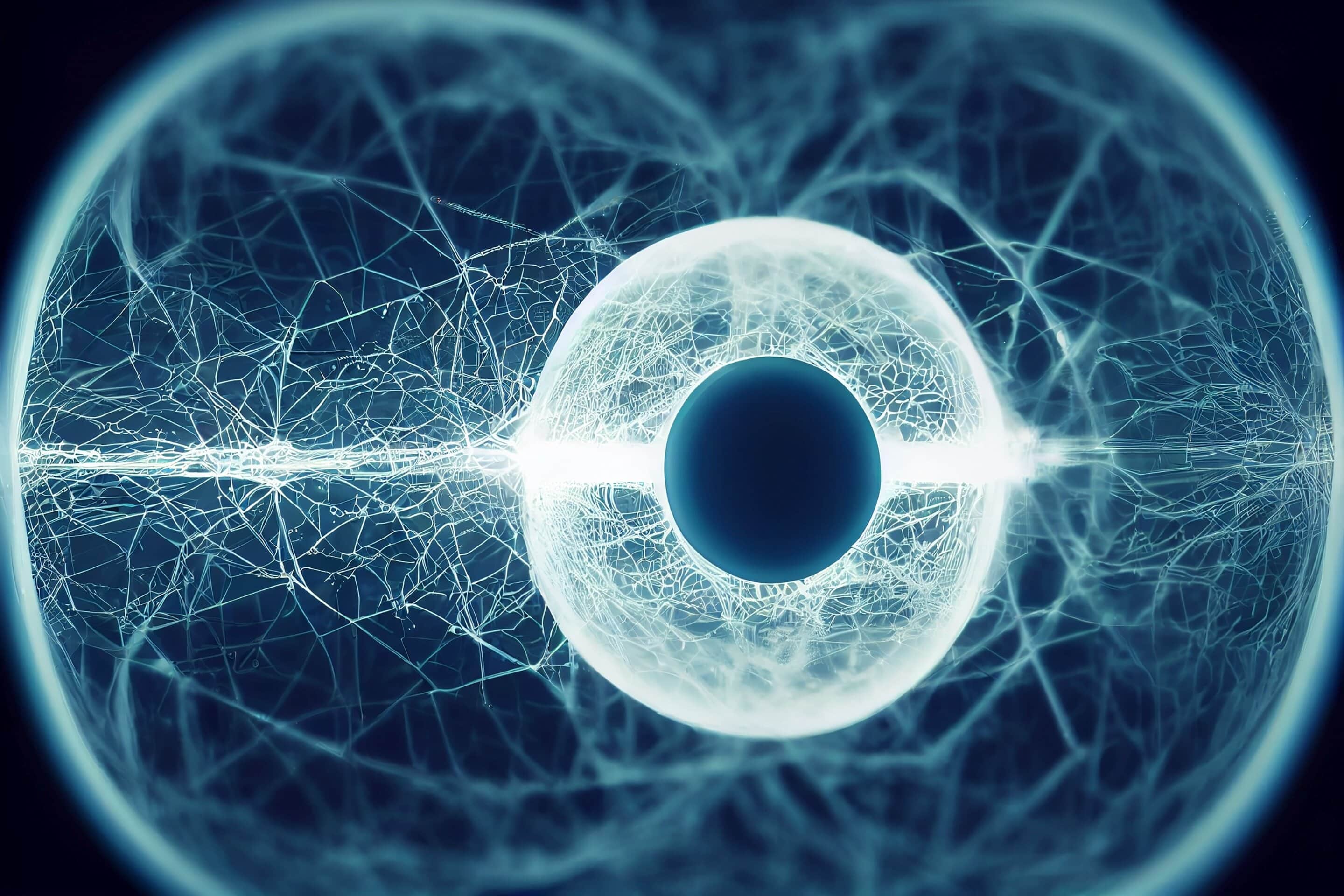
Image: TechXplore
Generative AI is built on human work, but the people who produce that work are rarely paid when their output becomes training data. If that imbalance goes unchecked, entire categories of creative labor could disappear.
The technology is already reshaping work. Australian Prime Minister Anthony Albanese announced a new national AI plan last week, while young people entering the job market are increasingly pessimistic about AI’s effect on their futures. Creative workers—from illustrators and session musicians to voice actors and copywriters—are among those confronting the change most directly.
When does remixing become extraction?
Supporters argue that AI learns much as humans do: by absorbing examples and producing something new. Foundation models break vast datasets into tokens, then learn to predict which tokens—words, images or other data—should follow a prompt.
That process is part of a longer history of datafication, in which human effort is converted into digital information that can be bought and sold. Generative AI’s method also resembles familiar forms of human creativity, such as sampling a song, rewriting an essay or reworking an established story.
Recommended reading
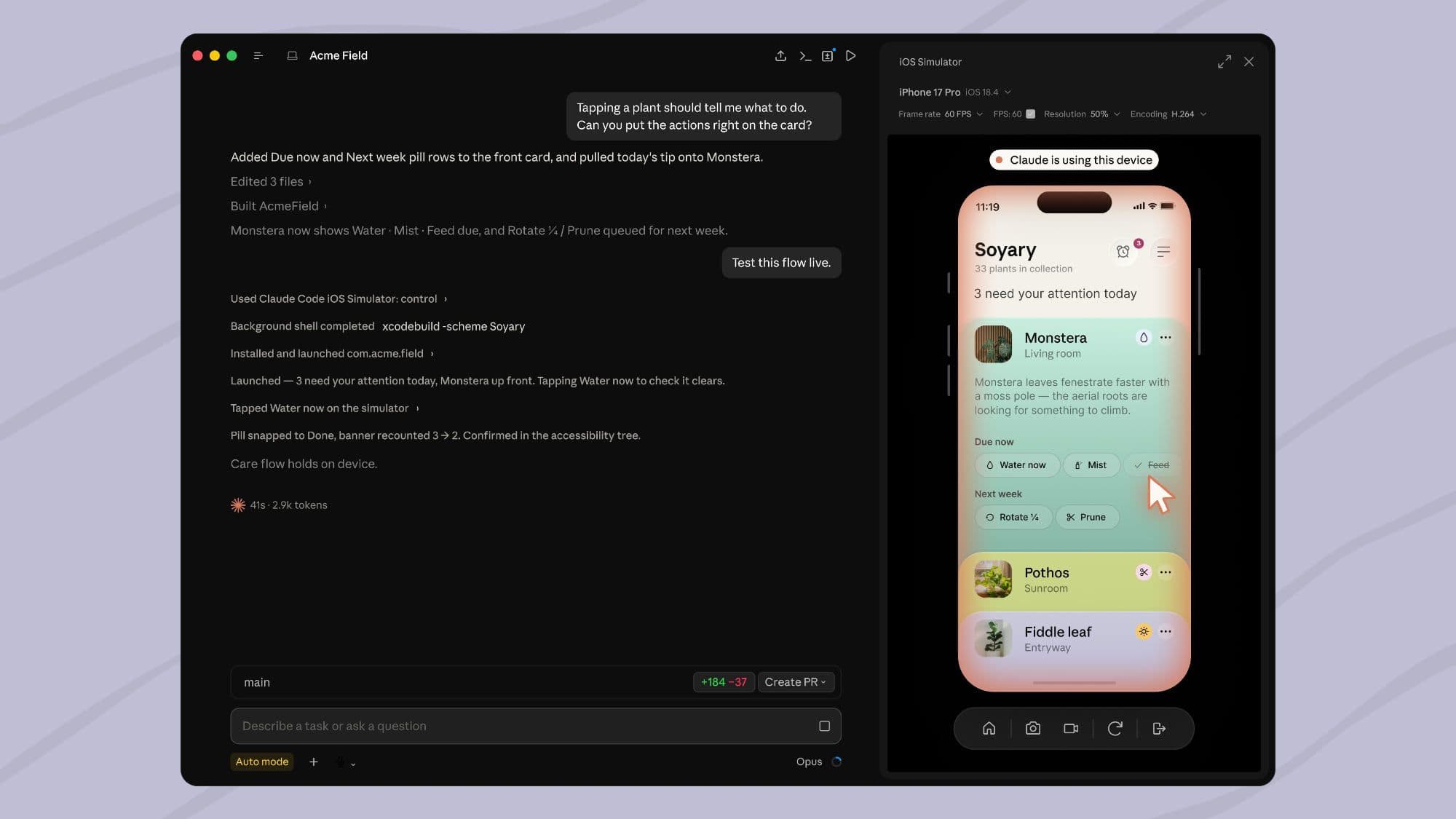
Claude Code can now test apps in iOS Simulator
Remixing is not inherently harmful. Queer fan-fiction writers, for example, have reworked classic stories to create space for characters and identities that mainstream entertainment often excluded. Musicians have also built new genres by sampling and remaking older works.
The difference with AI and major corporations lies in scale and power. AI systems can reproduce almost any style nearly instantly, while large companies can remake content without seeking consent, giving credit or providing compensation. A generative AI tool might produce a recipe from a cookbook without acknowledging the person who developed it. Disney, by contrast, can present its use of mythology as a cultural celebration while deploying substantial resources to shape that narrative.
Copyright payments do not protect creative careers
Copyright owners can seek compensation when their work is misused. Anthropic was recently ordered to pay US$1.5 billion for allegedly pirating books to train its AI systems—about US$3,000 for each of the 500,000 books involved.
That kind of legal recourse is necessary, but it does not resolve the broader threat to creative livelihoods. The deeper question is not only who owns a work, but who is allowed to remix it: a person developing their craft, or software operating at corporate scale?
Creatives need a larger share of the profits generated from their work, along with the ability to learn, practice and earn a living. When Disney remixes cultural lore, people still work on the resulting production and are paid. When generative AI produces content, the financial benefits largely flow to the companies and people enabling the technology.
A levy for human-made creative work
Protecting creative labor by restricting where work is produced will not solve the problem. The U.S. threat to tariff films made abroad illustrates the limits of geographic protectionism. A more relevant approach would focus on the consequences of converting human creative work into data.
One proposal is a special levy on companies that host services generating designs, music or voiceovers. The proceeds could support firms that employ human creatives, helping preserve demand for work that requires people to develop skills and make independent creative decisions.
Australia needs people who can make others laugh, cry, think and dance just as much as it needs software engineers. Developing both workforces is critical, but building technical capability should not come at the expense of creative workers.
Creative industries are not the only ones affected. Generative AI models draw on the output of workers broadly. If people can no longer afford to learn fundamental skills while paying their bills, the remixing may continue—but without humans left to do the original work.
Swati Mestri holds a bachelor’s degree in Electronics Engineering and has worked as a content editor since 2019, editing research documents in technology, health care and materials science, with particular interest in technology and space.
Andrew Zinin holds a master’s degree in physics and has research experience. He is a longtime science-news enthusiast and contributes to Science X’s editorial work.
This article was first published on Pursuit. Citation: “Human remixes pay creatives, AI just pays shareholders” (July 21, 2026), retrieved July 21, 2026, from TechXplore.

AI Editor
Ava covers the rapidly evolving world of artificial intelligence, from foundational models and research labs to the real-world economics of intelligence. With a background in computational linguistics, she cuts through the hype to find out what actually works. She firmly believes that benchmarks are just marketing until reproduced in the wild.
via TechXplore