• 4 min read
Huawei unveils Kirin PC chips for HarmonyOS laptops
Huawei unveiled Kirin XE90 and X90 Plus PC processors for HarmonyOS laptops, including the MateBook Fold Ultimate Design and MateBook Pro S.
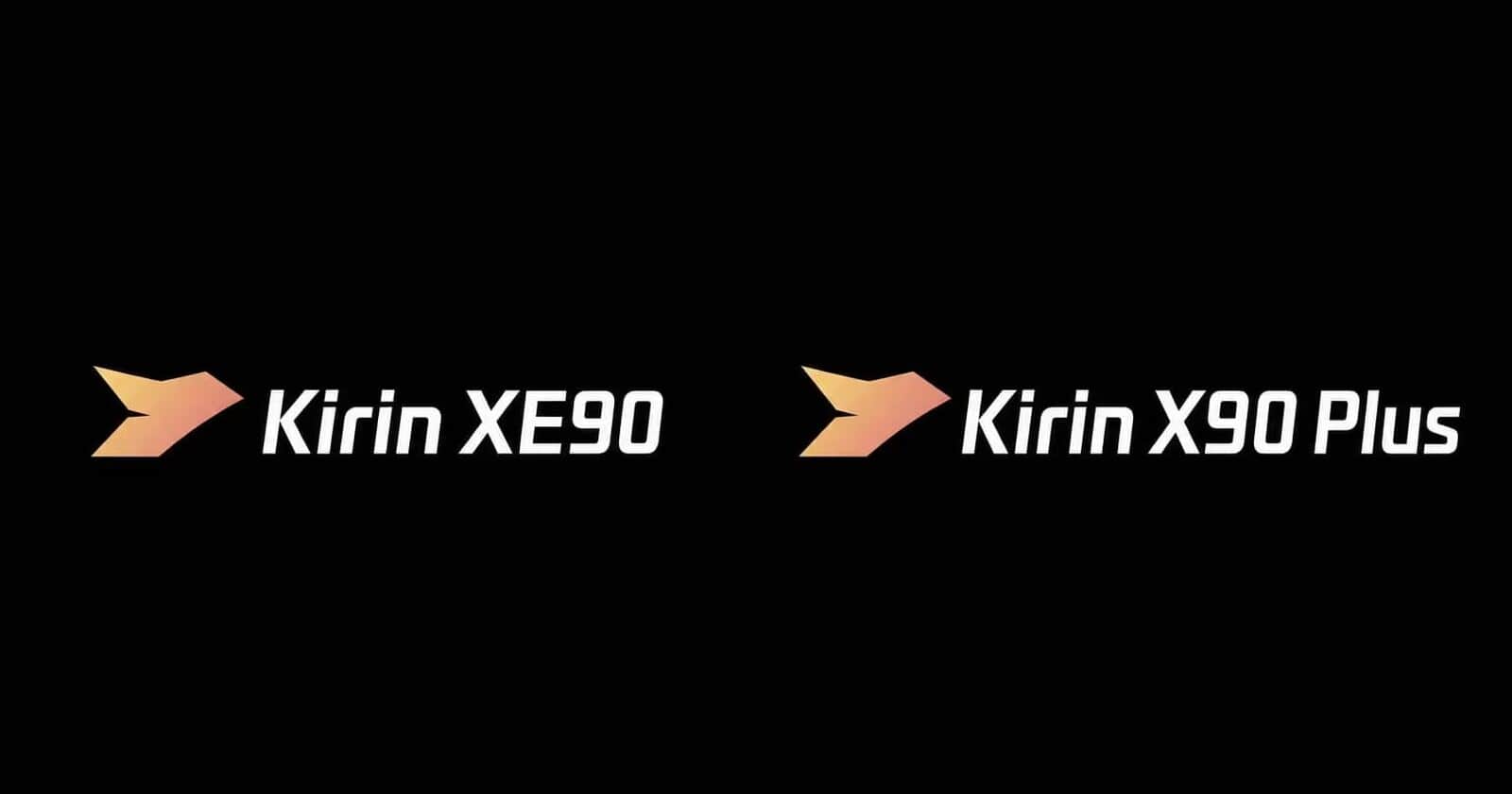
Image: ITzine
Huawei has shown its first PC processors, the Kirin XE90 and Kirin X90 Plus, linking both chips to upcoming laptops running HarmonyOS. The announcement marks a broader push to control the processor, operating system, and finished computer as a single platform.
The chips were presented at an event focused on the development of HarmonyOS for PCs. Huawei said the flagship Kirin X90 Plus will power the foldable MateBook Fold Ultimate Design, while the lighter MateBook Pro S will use the more power-efficient Kirin XE90. The company has promised to release both laptops on August 5.
What Huawei has revealed about the Kirin chips
Huawei did not disclose full specifications for either processor. It did, however, highlight several capabilities:
- Kirin X90 Plus is the higher-end chip for flagship laptops.
- Kirin XE90 is designed with lower power consumption and longer battery life in mind.
- Computers running HarmonyOS will support hardware-accelerated ray tracing.
- Huawei is promoting new graphics and AI processing blocks in the PC platform.
The graphics and AI elements appear to draw on work from the Kirin 9030 Pro and the Maleoon 935 architecture, although Huawei has not explained the exact relationship between those technologies and the new PC processors.
Recommended reading
Huawei MatePad Air weighs just 509 g
The company also said the Kirin X90 Plus uses a more advanced manufacturing process than the standard Kirin X90. Huawei’s regular Kirin X90 was produced using SMIC N+2, described as approximately equivalent to a 7 nm process. Huawei did not specify the exact node used for the X90 Plus, nor did it provide benchmark results, core counts, clock speeds, or power figures for either new chip.
MateBook Fold Ultimate Design and MateBook Pro S
The two announced laptops target different parts of Huawei’s notebook range. The MateBook Fold Ultimate Design will combine the flagship processor with a foldable form factor, while the MateBook Pro S will use the more economical XE90 in a lighter, more mobile design.
Huawei is presenting the laptops and processors as part of the same HarmonyOS platform rather than as isolated hardware products. That approach could allow the company to coordinate the operating system, graphics stack, AI features, and processor design more closely than it could with third-party PC platforms. The company has not yet detailed software compatibility, supported applications, or how existing PC programs will run on HarmonyOS.
Both laptops are scheduled for August 5, but Huawei has not released complete hardware specifications or pricing for either model.
Huawei’s move beyond third-party PC platforms
Huawei’s attempt to build PC processors is not entirely new, but earlier efforts faced significant constraints. US sanctions cut the company off from some technologies and suppliers, while its consumer PC business remained dependent on external processor platforms for an extended period.
The Kirin XE90 and X90 Plus therefore represent a wider effort to create an independent chain covering three layers: the processor, the operating system, and the finished laptop. That is a more ambitious move than simply adding another chip to Huawei’s existing portfolio.
The company is entering a market where Intel and AMD have maintained dominant positions in x86 laptops for decades. ARM-based PCs have also faced persistent software, compatibility, and local-support challenges, according to the source. Huawei appears to be focusing first on China rather than trying to establish an immediate global PC platform.
Huawei has already used a similar ecosystem strategy in smartphones. After losing access to Google services, it rebuilt its mobile platform and developed HarmonyOS into a standalone system with its own application ecosystem. PCs present a tougher test because users expect broader compatibility and established software support, and changes in this market tend to move more slowly.
The immediate significance of the announcement is therefore not the undisclosed performance of the two processors. It is Huawei’s public commitment to combining custom PC silicon with its own operating system and laptops. The unresolved questions are whether the chips can be manufactured at volumes large enough to create a meaningful market presence and whether HarmonyOS notebooks will receive the software support needed to make that platform viable.
Computing Editor
Tomas lives in the terminal. He covers chips, laptops, and operating systems with a focus on performance and efficiency. He reads kernel changelogs the way other people read fiction, and he's always on the hunt for the perfect mechanical keyboard switch. If it processes data, Tomas has an opinion on it.
via ITzine