• 2 min read
X Money launches with 6% yield and Visa card
X launches invite-only X Money with Cross River Bank, real-time transfers, a Visa debit card, 6% deposit yield and 3% cashback.
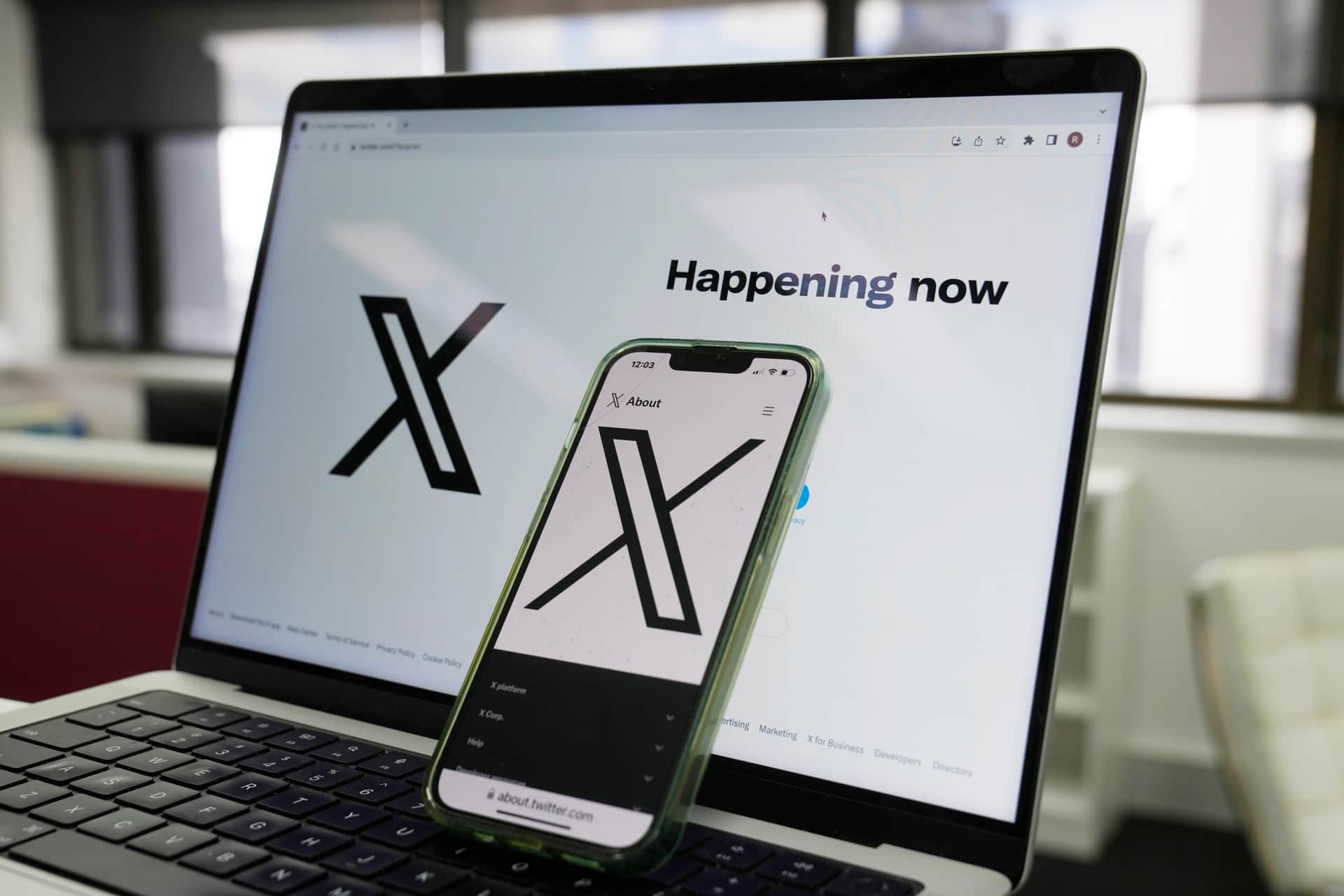
Image: TechXplore
X has launched an invite-only financial service that lets users send money to one another in real time, paired with an X-branded Visa debit card that can be used at any ATM.
Called X Money, the product is not a new bank. X is using technology and banking services from Cross River Bank, branding that infrastructure as its own service. Using an established bank’s backbone is common among new financial companies because obtaining a banking charter is a costly and time-consuming process.
X Money yield and membership requirements
For now, invitations are limited to X’s paying members. The company is offering a 6% yield on deposits and 3% cashback on eligible purchases to attract users.
The yield requires customers to deposit at least $1,000. They must also subscribe to X’s premium services, which cost at least $8 per month. A customer would need to deposit at least $1,600 to cover that premium-service cost through the advertised yield alone.
Recommended reading
CATL profitability tops automakers by 11 times
X said users will be able to transfer money to other X users in real time. The company did not provide a broader release date, and the service remains invite-only.
Musk’s payments ambitions
Musk has long described X as an “everything app” that would include financial services. His connection to online payments dates back to X.com, one of the first online banks, which was later acquired and merged into what became PayPal.
X Money is entering a market that includes PayPal’s Venmo, Zelle and Cash App, all established peer-to-peer payment services.
Enterprise Editor
Marcus follows the money. He covers enterprise software, cloud architecture, and the tectonic shifts in Big Tech strategy. He translates dense earnings calls and complex M&A activity into actionable insights about where the industry is actually heading. If a tech giant makes a silent pivot, Marcus is usually the first to notice.
via TechXplore