• 2 min read
Huawei’s Atlas 950 Packs 256 TB for AI
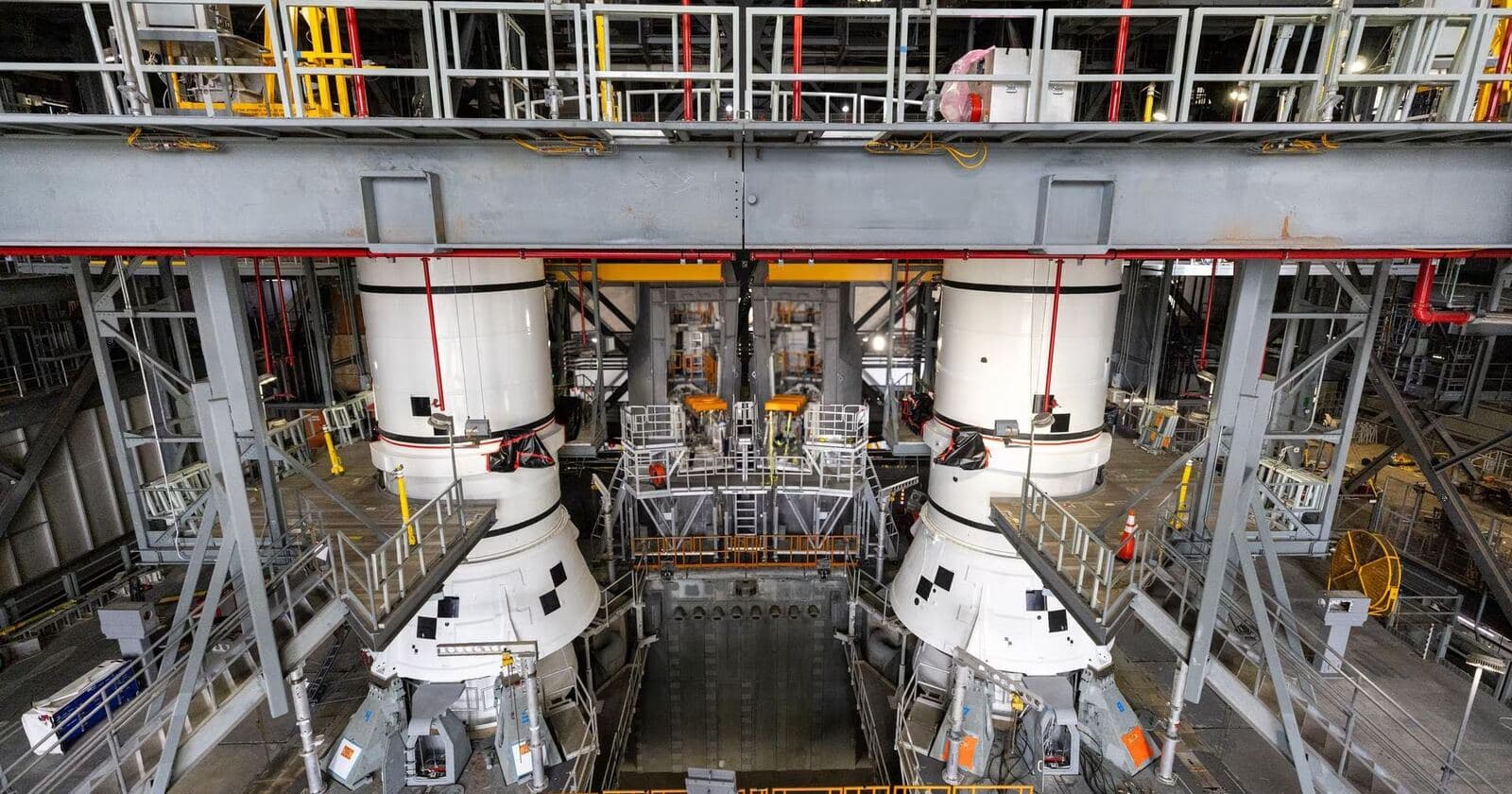
Huawei’s Atlas 950 SuperPoD packs 1,024 Ascend chips, 256 TB of memory and up to 2 EFLOPS, with claimed gains over Nvidia NVL144.

Image: iXBT
Huawei has introduced the Atlas 950 SuperPoD, calling it the industry’s largest system for artificial intelligence computing. The platform is designed to combine thousands of AI processors into a single logical unit through high-speed interconnects, improving the efficiency of large-model training and inference.
Huawei Atlas 950 specifications
Atlas 950 uses Huawei’s proprietary Lingqu protocol and an upgraded SuperPoD architecture. Huawei says the system delivers terabyte-level NPU bandwidth with latency as low as 3 microseconds.
The platform contains 1,024 Ascend chips and can connect up to 8,192 neural processing units (NPUs). That configuration is intended to support training and inference for multilayer models with trillions of parameters.
Its headline specifications include:

Recommended reading
SuperGrok Heavy now includes X Premium+
- 1 EFLOPS of FP8 computing performance
- 2 EFLOPS of FP4 computing performance
- 256 TB of unified memory
Atlas 950 versus Nvidia NVL144
Huawei claims that Atlas 950 SuperPoD provides 6.7 times more computing performance and 15 times more memory than Nvidia NVL144. The comparison system is a server rack built around 144 Rubin-series accelerators using the Rubin Ultra architecture, designed for AI training.
The announcement was reported on July 17, 2026. Huawei presented Atlas 950 as a large-scale platform for workloads that require both substantial memory capacity and tightly connected AI compute resources.

AI Editor
Ava covers the rapidly evolving world of artificial intelligence, from foundational models and research labs to the real-world economics of intelligence. With a background in computational linguistics, she cuts through the hype to find out what actually works. She firmly believes that benchmarks are just marketing until reproduced in the wild.
via iXBT