• 2 min read
Japan’s H3 rocket flies in a new no-booster configuration
Japan has sent its H3 rocket back into the sky, and this time JAXA tried a deliberately unusual setup: no solid-fuel boosters, but three liquid engines on the first stage instead of the standard two. The launch from Tane
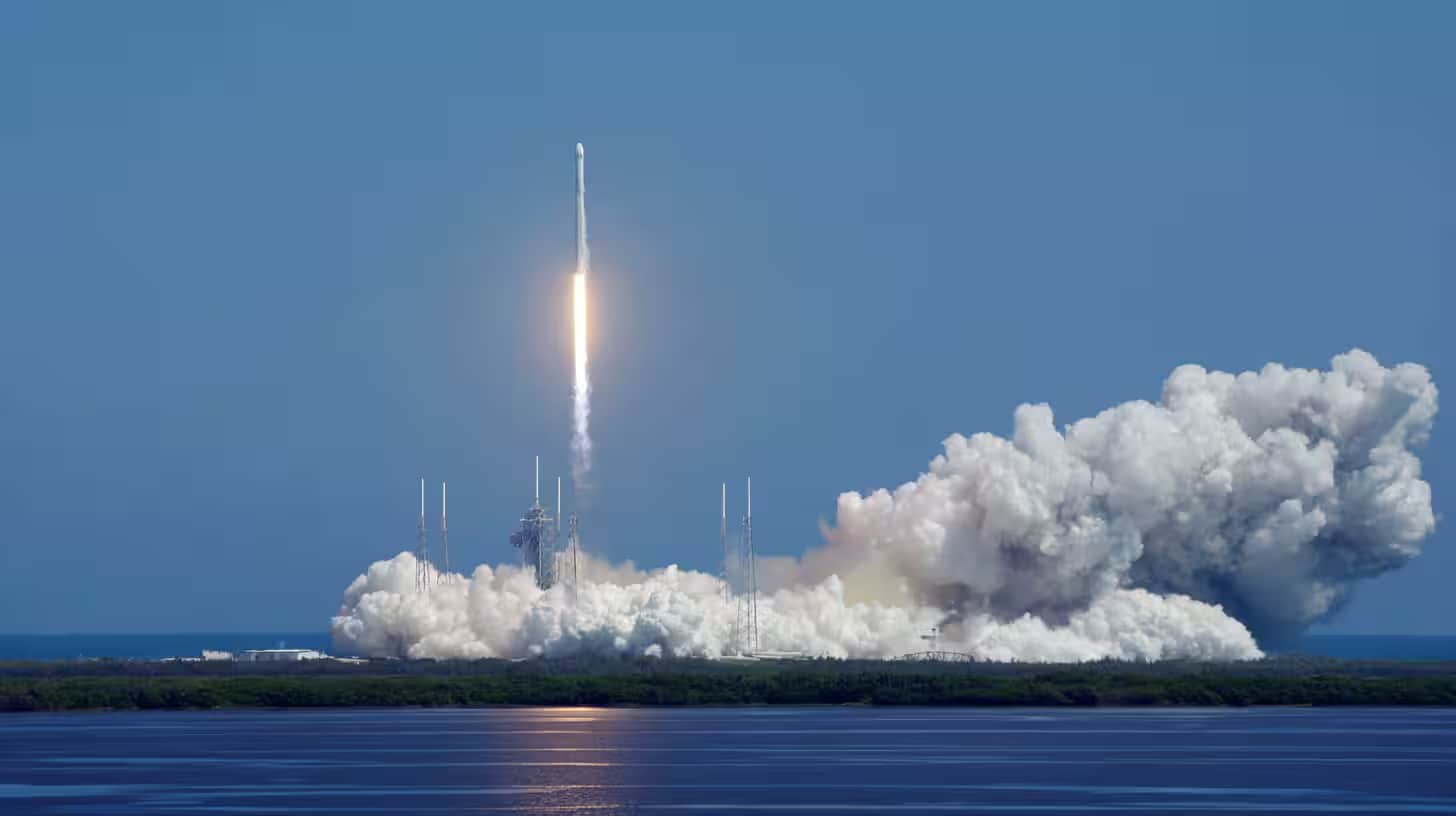
Image: ixbt.com
Japan has sent its H3 rocket back into the sky, and this time JAXA tried a deliberately unusual setup: no solid-fuel boosters, but three liquid engines on the first stage instead of the standard two. The launch from Tanegashima comes after H3's previous flight with a satellite ended in failure, making this H3 rocket test more than a routine checkup – it was a chance to prove the rocket still has room to evolve.
That flexibility matters. Space agencies and launch providers around the world are moving toward modular rockets because a single configuration rarely fits every payload, and Japan clearly wants H3 to be more than a one-size-fits-all vehicle. If this test supports that goal, it gives JAXA more options for future missions and a stronger case for the rocket as a workhorse, not just a replacement for an earlier program.
Why JAXA tried the booster-free H3 rocket version
The point of the flight was not just to get off the pad. By removing the solid rocket boosters and adding a third liquid engine, engineers are checking how far H3 can be pushed in alternate configurations and what that means for different mission profiles. That kind of testing is exactly how launch systems become more useful – and less dependent on a single recipe that may be overkill for some payloads and too weak for others.

Recommended reading
NASA staff cuts hit 25 major programs
H3 rocket specs and payload capacity
- Length: 63 m
- Diameter: 5.2 m
- Payload capacity: 4 to 6.5 t, depending on version
- Development began in 2013
Those are solid, workhorse-class numbers for a modern liquid-fueled launcher, and they help explain why H3 sits at the center of Japan’s ambitions. The rocket is meant to give the country a more independent and competitive route to orbit, which is a polite way of saying Japan wants fewer reasons to rely on other people’s launch schedules.
Japan’s next move for H3
The bigger question is whether this experiment becomes a regular option or stays a specialist configuration for specific missions. If JAXA can show that H3 behaves predictably in more than one form, the rocket becomes more attractive for the full range of satellites Japan wants to launch. If not, this will still have been a useful detour – just one that cost a launch to answer a very expensive question.
Frontier Editor
Dan is our resident futurist, covering electric mobility, space exploration, and the smart home. He's interested in atoms just as much as bits. Whether it's a new battery chemistry, a reusable rocket, or a protocol that finally makes IoT devices talk to each other, Dan breaks down the engineering that pushes humanity forward.
via ixbt.com