• 2 min read
Gigabyte’s D5 Single Boost pushes DDR5 to 8400 MT/s
Gigabyte has introduced D5 Single Boost, an automatic DDR5 memory optimization feature for its Intel Z890 and B860 motherboards that aims to make one DDR5 stick behave a lot more like a dual-channel setup. The pitch is s
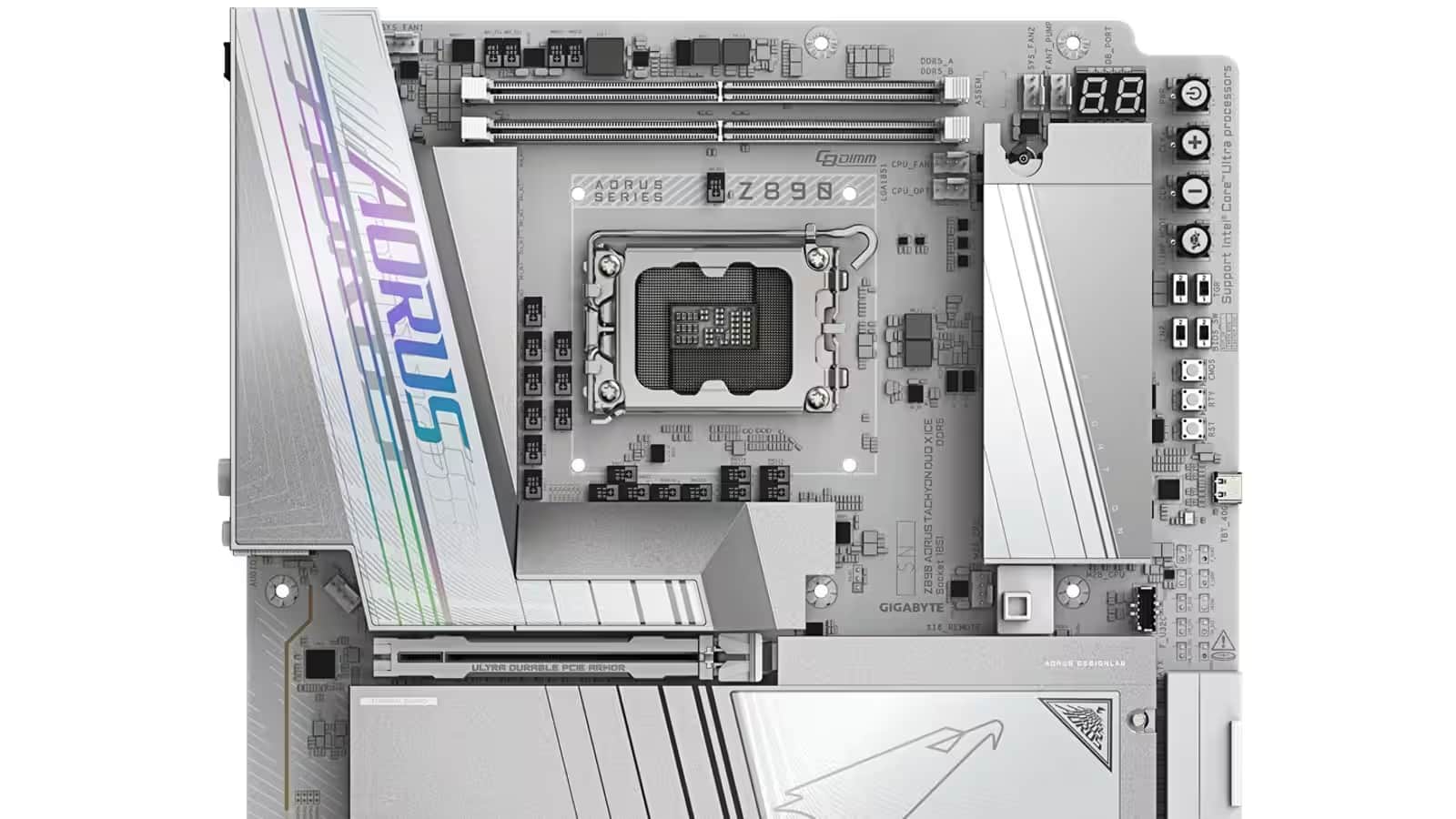
Image: ixbt.com
Gigabyte has introduced D5 Single Boost, an automatic DDR5 memory optimization feature for its Intel Z890 and B860 motherboards that aims to make one DDR5 stick behave a lot more like a dual-channel setup. The pitch is simple: higher bandwidth, less manual tuning, and a cheaper path to faster builds at a time when memory pricing is hardly inviting.
The technology works with DDR5 modules based on SK Hynix M-Die chips. Once a compatible stick is installed, the system can detect it, validate it, and switch on the boost without the user digging through BIOS settings like it is 2012 again. Gigabyte says the feature can automatically overclock compatible modules up to 8400 MT/s.
How D5 Single Boost works
Gigabyte says the BIOS then fine-tunes timings and voltage in real time for the specific memory chips fitted to the board. The company claims that this process lets single-channel platforms reach bandwidth close to standard dual-channel systems. That is a neat trick if it holds up outside the marketing slide deck.
- Compatible motherboards: Gigabyte Intel Z890 and B860
- Required memory: DDR5 modules using SK Hynix M-Die chips
- Automatic boost target: up to 8400 MT/s
Gigabyte D5 Single Boost performance claims
Gigabyte says the feature can improve game frame rates, load times, and overall responsiveness by up to 10% in AAA titles and competitive benchmarks. The broader angle is obvious: motherboard makers are trying to sell intelligence, not just slots and traces, because CPU and RAM gains have gotten expensive enough to make any free performance sound heroic.

Recommended reading
KBSU develops lower-cost composite for hydrogen membranes
That also puts pressure on rivals. ASUS, MSI, and others have been pushing one-click memory profiles for years, but Gigabyte is leaning into automatic tuning that promises dual-channel-like behavior from a single module. If it works reliably, laptop-style convenience meets desktop overclocking bravado. If not, it is just another BIOS feature with a fancy name.
What buyers still need to watch
The catch is obvious: this is not universal DDR5 magic. It is tied to specific Gigabyte boards and specific memory chips, which means buyers chasing the feature will need to check compatibility before assuming any one-stick upgrade will get the same treatment. That is the kind of fine print that turns a headline into a shopping list.
Expect this to become a familiar pattern across high-end desktop gear: fewer raw hardware leaps, more vendor-controlled tuning layers extracting a little extra from the same silicon. The next question is whether users value that convenience enough to choose a motherboard around it.

Computing Editor
Tomas lives in the terminal. He covers chips, laptops, and operating systems with a focus on performance and efficiency. He reads kernel changelogs the way other people read fiction, and he's always on the hunt for the perfect mechanical keyboard switch. If it processes data, Tomas has an opinion on it.
via ixbt.com