• 3 min read
Gemini brings natural voice control to Google TV on TCL sets
Google is turning Google TV into something closer to a helpful roommate than a menu maze: a new Gemini-powered voice mode can now change picture and sound settings using plain language, and TCL is first in line. For now,
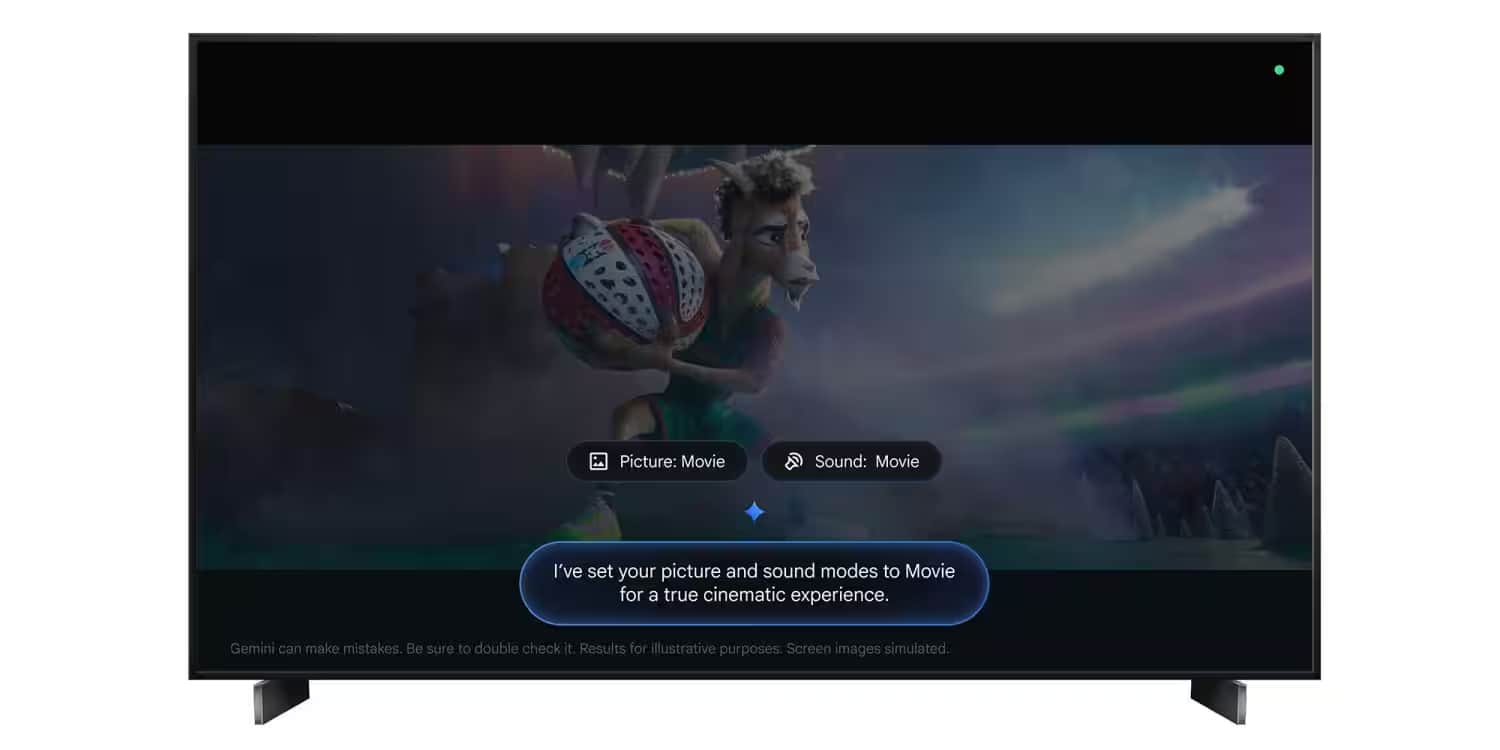
Google is turning Google TV into something closer to a helpful roommate than a menu maze: a new Gemini-powered voice mode can now change picture and sound settings using plain language, and TCL is first in line. For now, the feature is limited to select TCL models in the US, but it points to the direction TV software has been heading for a while – less clicking, more asking.
Instead of hunting through nested settings, users can say things like “I can’t hear what’s going on” or “This scene is too dark to see anything,” and the TV will adjust itself. That covers the basics – brightness, contrast, volume, picture modes, sound modes – and extends to content-specific tweaks such as sports presets or extra bass for movies. It is a neat upgrade, and also a subtle admission that TV interfaces have gotten too clunky for their own good.
What Gemini can change on Google TV
The new mode is designed to interpret natural speech, not just rigid commands. According to Google, the system can also suggest fixes when a user describes a problem in plain language, which is the sort of thing voice assistants have promised for years and mostly failed to deliver without making you repeat yourself three times.
- Adjusts brightness and contrast
- Changes volume and sound modes
- Switches to presets like sports or movie modes
- Can optimize settings for movies, games, and other content
- Can diagnose image or audio issues from spoken descriptions
TCL gets first access on Google TV in the US
The rollout starts with TCL sets running Google TV, specifically the QM9K, QM7L, RM7L, X11L, QM9L, QM8L, and RM9L. Google says the feature is available on 2025-2026 models in the US and requires Android 14 or later. There is no broad launch yet, which is classic Google: announce the future, then let a few partners test-drive it before everyone else gets a turn.
That phased approach also makes sense. TCL has been aggressive on Google TV hardware, while rivals such as Samsung and LG continue to push their own TV platforms, each trying to make the remote less necessary and the software more sticky. If Gemini works well enough, it could become one more reason buyers pick a Google TV set over a competing smart TV that still buries basic controls three menus deep.
Recommended reading
VK algorithm predicts users' future tastes
The push toward conversational TVs
What Google is really selling here is not just convenience, but a different relationship with the TV. Instead of teaching users where the settings live, the software is supposed to understand intent: too dark, too quiet, too much bass, wrong mode. That is a more natural fit for voice control than asking people to memorize feature names they never wanted in the first place.
The catch is obvious: the system starts small, and smart TV features often look better in demos than in living rooms. But if Gemini can handle real-world requests without turning every adjustment into a support ticket with extra steps, expect Google to push it beyond TCL and onto more brands soon enough.
AI Editor
Ava covers the rapidly evolving world of artificial intelligence, from foundational models and research labs to the real-world economics of intelligence. With a background in computational linguistics, she cuts through the hype to find out what actually works. She firmly believes that benchmarks are just marketing until reproduced in the wild.