• 3 min read
Why fusion plasma suddenly spawns giant magnetic fields
Researchers at Princeton Plasma Physics Laboratory say they have pinned down a long-standing nuisance in inertial fusion experiments: hot plasma can generate its own magnetic fields, and it can do so fast enough to scram
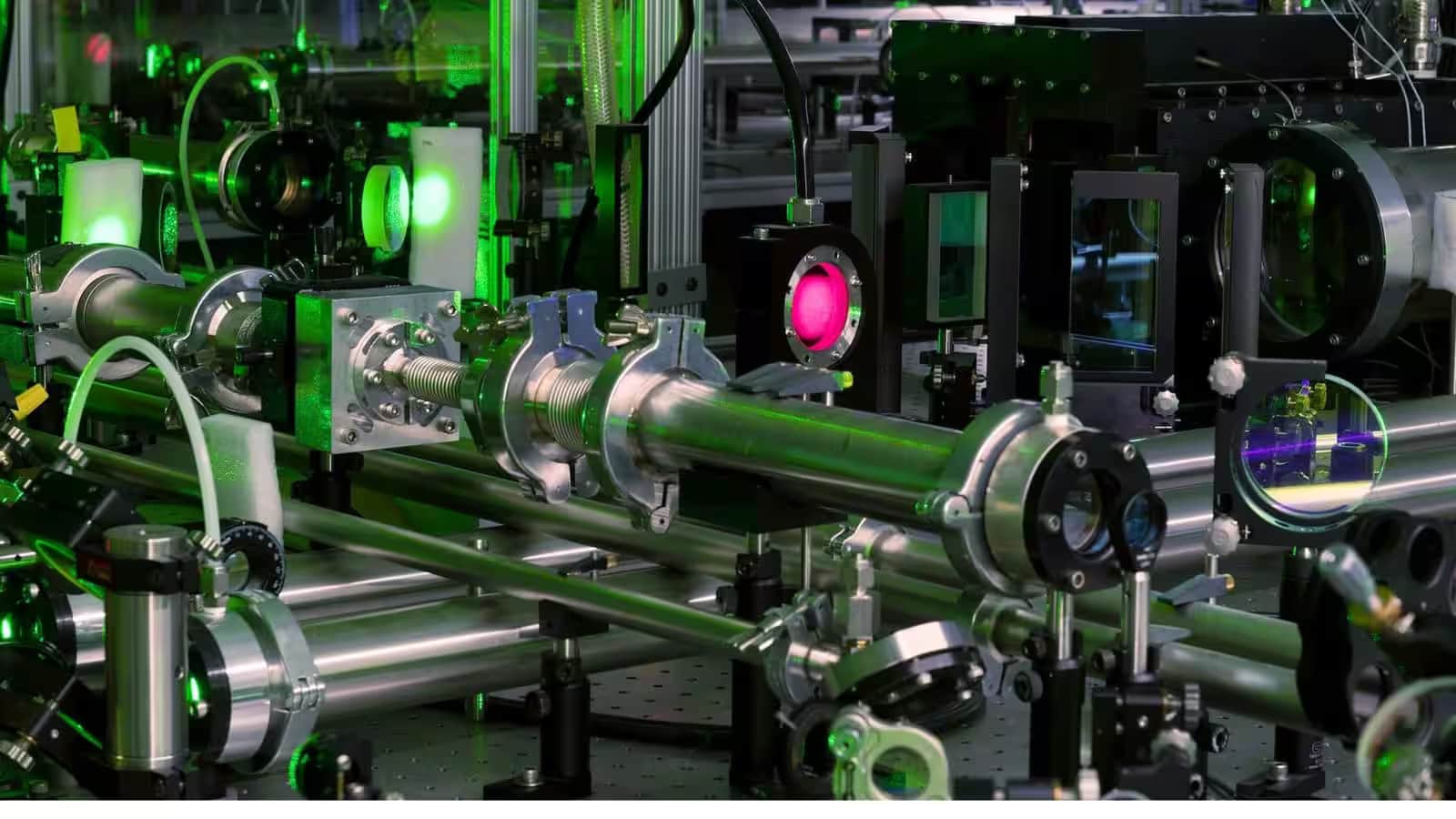
Researchers at Princeton Plasma Physics Laboratory say they have pinned down a long-standing nuisance in inertial fusion experiments: hot plasma can generate its own magnetic fields, and it can do so fast enough to scramble heat flow before anyone can call the result “controlled.” The new work explains why these fields appear, identifies the laser threshold that triggers them, and gives reactor designers something they have sorely lacked: a way to estimate the problem before the experiment starts.
The surprise is not that plasma gets messy. That part has been a given. The surprise is that even a perfectly smooth laser beam cannot fully prevent the effect, because the instability is baked into the way the plasma expands after being hit. That makes the finding useful far beyond one lab setup: if the model holds up, it could reshape how future fusion targets are designed, not just how today’s tests are interpreted.
The laser threshold that flips fusion plasma into chaos
The study focuses on inertial fusion, where a tiny fuel capsule is squeezed by powerful lasers. For the reaction to work efficiently, energy has to be deposited as evenly as possible. But in real experiments, strong magnetic fields have kept showing up inside the plasma, bending electron motion and reducing heat transfer right where engineers need it most.
By modeling laser impact on an aluminum target, the Princeton team found a power threshold: below it, the plasma stays almost nonmagnetic. Cross it, and within a billionth of a second magnetic fields can grow to 40 tesla. For comparison, Earth’s magnetic field is roughly a million times weaker. That is not a rounding error; that is physics slapping the experiment in the face.
Why a perfect laser still does not solve it
The culprit is the plasma itself. Once the laser hits, the material becomes an ultra-hot gas and expands rapidly, but not evenly. Temperature drops faster along the expansion direction than elsewhere, creating the imbalance that triggers the Weibel instability, a process known for converting anisotropy into magnetic fields.
Recommended reading
SpaceX may catch Starship on its next flight
That matters because the field changes the plasma’s behavior almost immediately. Electrons move less freely, heat becomes harder to transport, and the whole fusion event becomes less predictable. In practice, that can alter temperature, density, and the way the capsule burns – all the variables teams spend years trying to control.
What reactor designers get from the new formula
The most practical result is not the explanation alone, but the math. The researchers say they derived a formula that can estimate the likelihood of these magnetic fields from the laser and target parameters. That gives experimenters a chance to spot trouble before they fire the beam, instead of discovering it after the plasma has already done what plasma does best: ignore human optimism.
- Effect: self-generated magnetic fields inside expanding fusion plasma
- Trigger: laser power above a defined threshold
- Peak strength: up to 40 tesla
- Time scale: a billionth of a second
- Payoff: better prediction for next-generation reactor design
The bigger story is that this kind of instability may already be influencing existing fusion experiments, not just future ones. If further tests confirm the model, the work could help clear one more obstacle on the road to commercial fusion power – the sort of power source that promises almost limitless clean energy, provided engineers can keep the plasma from improvising.
Frontier Editor
Dan is our resident futurist, covering electric mobility, space exploration, and the smart home. He's interested in atoms just as much as bits. Whether it's a new battery chemistry, a reusable rocket, or a protocol that finally makes IoT devices talk to each other, Dan breaks down the engineering that pushes humanity forward.