• 2 min read
OpenAI plans a $20 billion, 3.2GW Georgia data center
OpenAI plans a $20 billion, 3.2GW Georgia data center, with phased grid connections from 2028 to 2032 and $80 million for community programs.
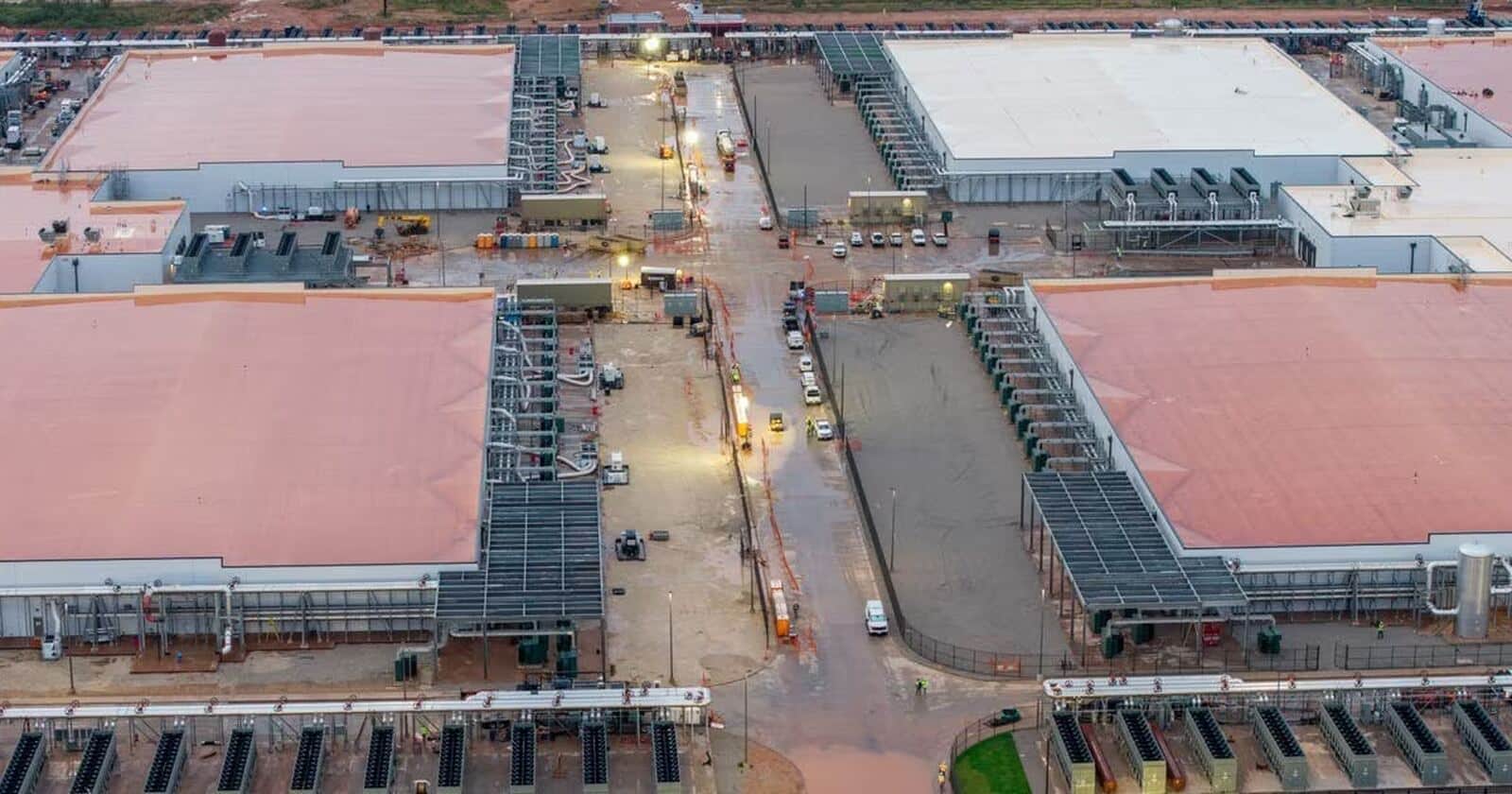
Image: ITzine
OpenAI plans to build a 3.2-gigawatt data center in Georgia and invest $20 billion in the project, putting the planned Camellia campus on a scale closer to a power plant than a conventional computing site.
The facility will be located in the Savannah Gateway Industrial Hub. Georgia Power is expected to connect it in stages between 2028 and 2032, while local authorities anticipate 400 permanent jobs. OpenAI also says the campus will use closed-loop cooling and that existing customers will not be forced to cover the cost of the additional grid infrastructure.
Camellia and the power demand of AI
The project reflects a shift in how companies choose sites for large AI systems. Training and serving increasingly capable models requires so much electricity that access to substations, transmission lines and connection permits can matter as much as land prices.
Recommended reading
Boring Company seeks funding at $20 billion valuation
OpenAI is not alone in building dedicated capacity. Microsoft, Google and Meta* are expanding their own computing facilities, while Elon Musk’s xAI is constructing large US sites to reduce its reliance on outside providers during peak periods. The Georgia project illustrates how AI companies are increasingly having to plan like energy companies, even though their core products remain software.
The phased rollout is significant. Starting deliveries in 2028 rather than bringing the entire capacity online at once would give OpenAI time to build substations, install communications infrastructure, and test cooling and water-consumption systems. The planned power supply will still approach the scale of a small power station.
Community investment and project risks
OpenAI says it will commit $80 million to community programs over the campus’s operating life. The money is intended for schools, healthcare, public utilities, workforce training and housing programs.
That package could help address a common criticism of large data centers: they place heavy demands on the power grid while creating relatively few permanent jobs. They can also generate tax revenue and provide long-term work for contractors, which gives local authorities an incentive to approve them.
The announced specifications still have to become a functioning facility. Progress will depend on permits, agreements with the power company, construction timelines, and whether the infrastructure can meet its promised targets for power, water and environmental performance. If Camellia launches in its current form, it will be one of the largest AI centers in the United States—and another project competing for gigawatts rather than just GPUs.
*Meta is owned by a company recognized as an extremist organization in Russia, where its activities are prohibited.
Enterprise Editor
Marcus follows the money. He covers enterprise software, cloud architecture, and the tectonic shifts in Big Tech strategy. He translates dense earnings calls and complex M&A activity into actionable insights about where the industry is actually heading. If a tech giant makes a silent pivot, Marcus is usually the first to notice.
via ITzine