• 2 min read
Flock Cameras Face a Growing Backlash
Flock Safety faces canceled contracts and direct attacks as privacy groups and activists challenge its AI-powered license plate surveillance network.
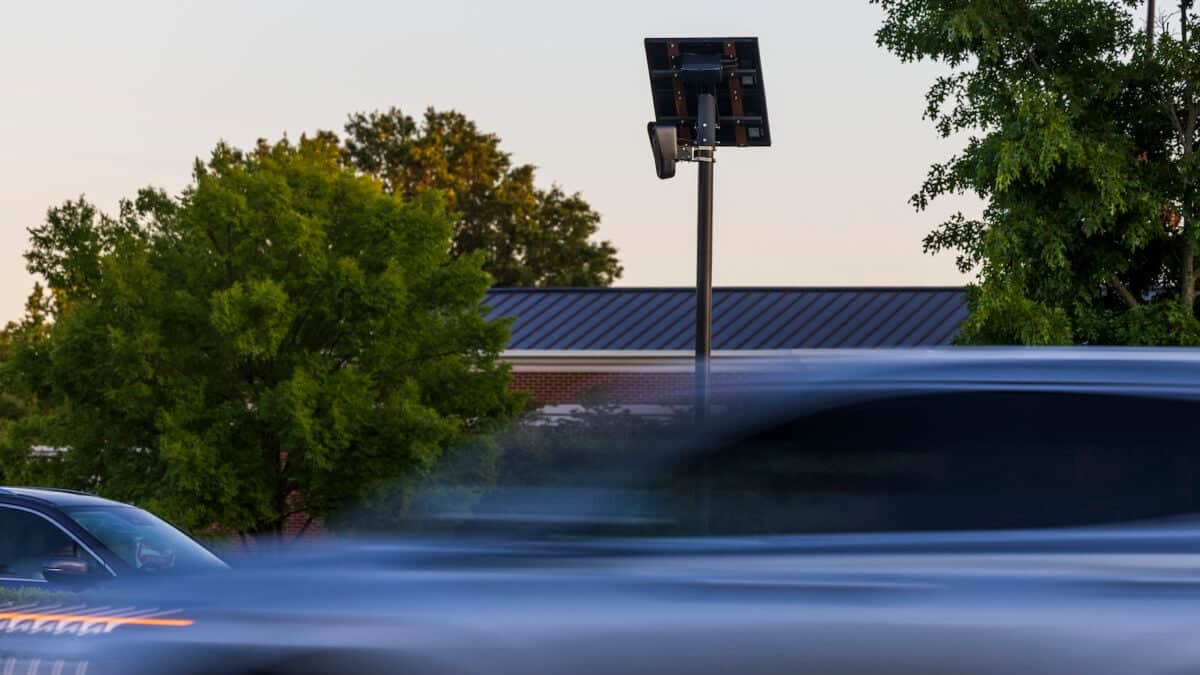
Image: Gizmodo
Public opposition to Flock Safety is spreading from city halls to street-level activism. The $7.5 billion startup’s AI-powered license plate readers have faced mounting criticism from privacy advocates, while communities across the US debate whether the pole-mounted cameras create a surveillance network with too few safeguards.
The backlash has already produced institutional reversals. After sustained pressure from activist groups, the Los Angeles Police Department said this week that it would allow its three-year contract with Flock to expire. City councils elsewhere are also moving to end contracts and remove cameras already installed.

Recommended reading
LG users revolt over monitor software and TV voice terms
Why privacy groups oppose Flock cameras
The Electronic Frontier Foundation and ACLU describe Flock and competing automatic license plate readers, or ALPRs, as mass-surveillance tools. The systems can provide government agencies with access to large stores of location and vehicle data, often with limited protections against misuse, the groups warn.
Flock says it does not share its data with ICE, but that assurance has done little to ease concerns. Critics fear the cameras could support the Trump administration’s mass-deportation agenda. ICE is only one of several federal agencies involved in those efforts, and local police departments have increasingly cooperated with federal enforcement. Access through indirect channels has also been documented, making Flock’s stated policy less reassuring to opponents.
Activists target camera poles
In places where local governments continue expanding surveillance despite public opposition, some activists have begun destroying Flock equipment themselves rather than wait for officials to remove it. Using the open-source site deflock.org, which has mapped more than 116,000 ALPRs, activists identify cameras and travel to them with portable saws and high-powered green lasers operating at a 532 nm wavelength.
The saws are used to cut through metal poles, while the lasers target camera sensors. The nighttime operations recall the loom-smashing campaigns of the Luddites two centuries ago, but today’s activists often record their actions on smartphones and distribute the footage online. A destruction montage posted on X has gone viral.
Those scattered campaigns have developed into a broader online community. The r/FlockSurveillance subreddit, with 437,000 subscribers, functions as a de facto headquarters where members share videos, tactics, equipment resources, defense-fund GoFundMe campaigns for arrested activists, and memes. Related discussions also take place in Signal groups and Discord servers.
Flock CEO Garrett Langley has condemned the activists and Deflock. In a November 2025 interview with Forbes, he called Deflock a “terrorist organization” whose “primary motivation is chaos.” The description drew a chuckle from reporter Tom Brewster during the interview, who suggested that Deflock might object to Langley’s characterization.

Security Editor
Sophia unpacks the invisible wars happening on our networks. Covering cybersecurity, privacy legislation, and cryptography, she exposes how our data is weaponized and defended. Before joining for(geeks), she spent years as a penetration tester. She's the reason the rest of the team uses physical security keys.
via Gizmodo