• 3 min read
Ferrari says no to self-driving and keeps the steering wheel
Ferrari has drawn a bright red line under full autonomy: the company says it will not build Level 3-and-above self-driving cars, and every model will keep a steering wheel. Chief executive Benedetto Vigna framed the deci
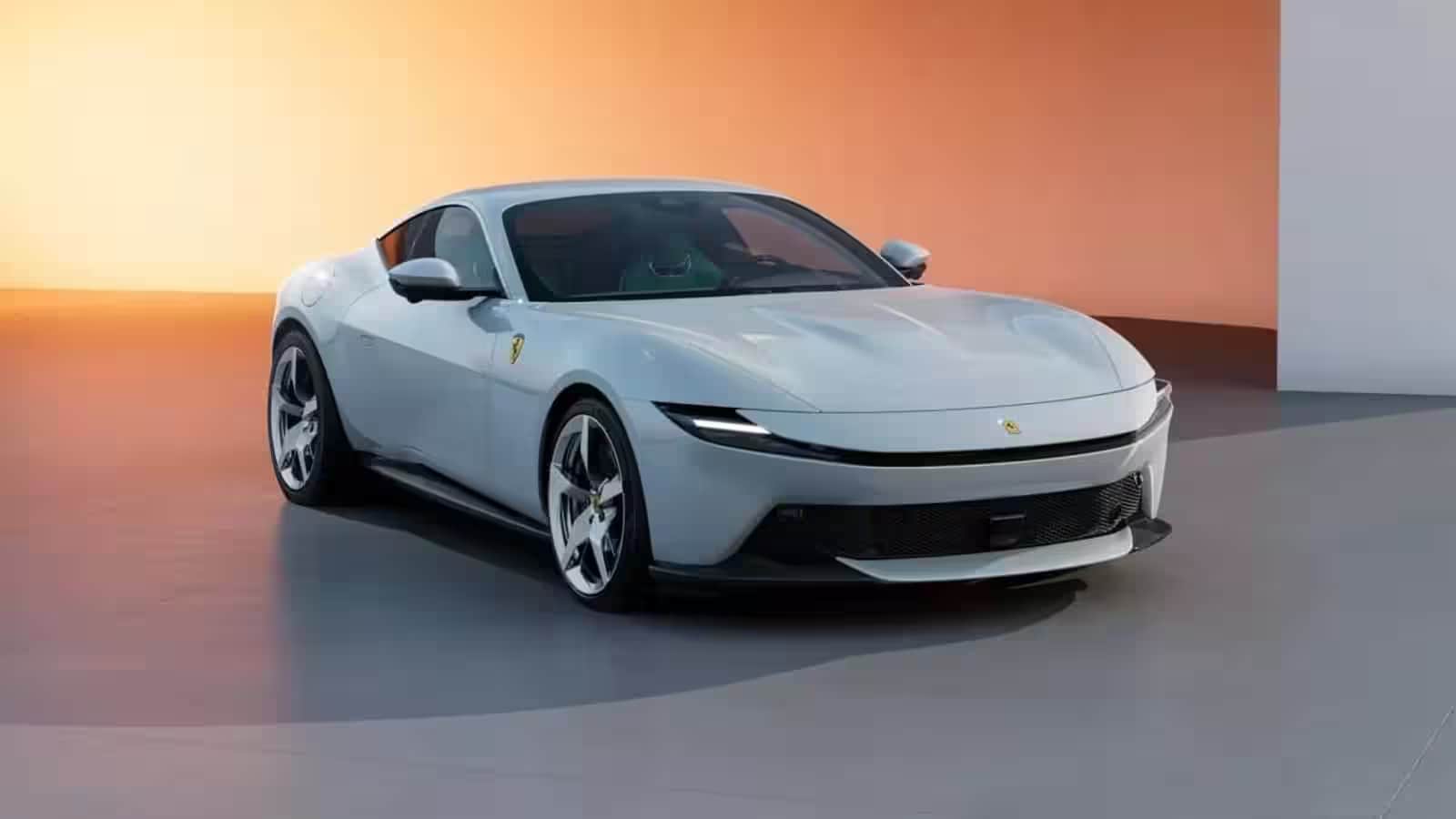
Image: ixbt.com
Ferrari has drawn a bright red line under full autonomy: the company says it will not build Level 3-and-above self-driving cars, and every model will keep a steering wheel. Chief executive Benedetto Vigna framed the decision as a defence of the brand’s core appeal – not silicon, not automation, but the pleasure of driving.
The stance is striking precisely because the wider industry is moving the other way. Carmakers from luxury rivals to mass-market brands are racing to add more automation, hoping software can sell convenience as well as safety. Ferrari is betting that its customers still pay for involvement, noise, feedback, and a bit of ego, not a chauffeured commute in badge form.
Ferrari keeps the driver at the centre
Vigna said the company has no plan to introduce autonomous systems at Level 3 or higher, where the car can handle a substantial part of driving in specific conditions. He also said Ferrari will not make fully autonomous cars, full stop. That is unusually blunt language for a sector that often hides behind careful phrasing and software roadmaps.
The message is simple: the steering wheel stays. So does the idea that a Ferrari is bought to be driven, not stored in a garage like a very expensive algorithm experiment. For a brand built on emotion, that is a commercial choice as much as a philosophical one.
Recommended reading
Graphite One advances Ohio battery-materials plant
Ferrari electrification is fine, replacement is not
The declaration comes shortly after Ferrari unveiled the fully electric Ferrari Elettrica, its first battery-powered model. That could have been read as a sign that Maranello was heading toward a future defined by software and batteries alone, but the company is pushing back hard against that idea. Its line is that electrification changes the powertrain, not the identity.
Ferrari says it will keep internal combustion engines, hybrids, and electric vehicles in the range, with customers choosing according to taste. That multi-powertrain approach is smart branding and smart insurance: it lets Ferrari court new buyers without abandoning the old ones who still want the full mechanical theatre.
Luxury cars are racing toward autonomy
Ferrari’s refusal stands out because autonomy is increasingly becoming a feature race, especially in premium cars where buyers are expected to pay extra for advanced assistance. Tesla, Mercedes-Benz, and BMW have all spent years expanding automated-driving capabilities in different forms, while Chinese brands are pushing fast on driver-assist tech too. Ferrari is choosing the opposite lane: less convenience, more character.
That may annoy some tech-first customers, but it probably won’t hurt Ferrari where it matters most. The brand sells scarcity, identity, and the feeling that a machine responds to human instinct, not the other way around. The real question is how far that philosophy can stretch if regulators, rivals, and customer expectations keep drifting toward ever more automation.

Frontier Editor
Dan is our resident futurist, covering electric mobility, space exploration, and the smart home. He's interested in atoms just as much as bits. Whether it's a new battery chemistry, a reusable rocket, or a protocol that finally makes IoT devices talk to each other, Dan breaks down the engineering that pushes humanity forward.
via ixbt.com