• 2 min read
Falcon 9 handled half of all rocket launches in May 2026
Falcon 9 spent May 2026 doing what no other orbital rocket could: launching again and again. Out of 22 space launches worldwide during the month, SpaceX’s workhorse accounted for 11, and every single one of those flights
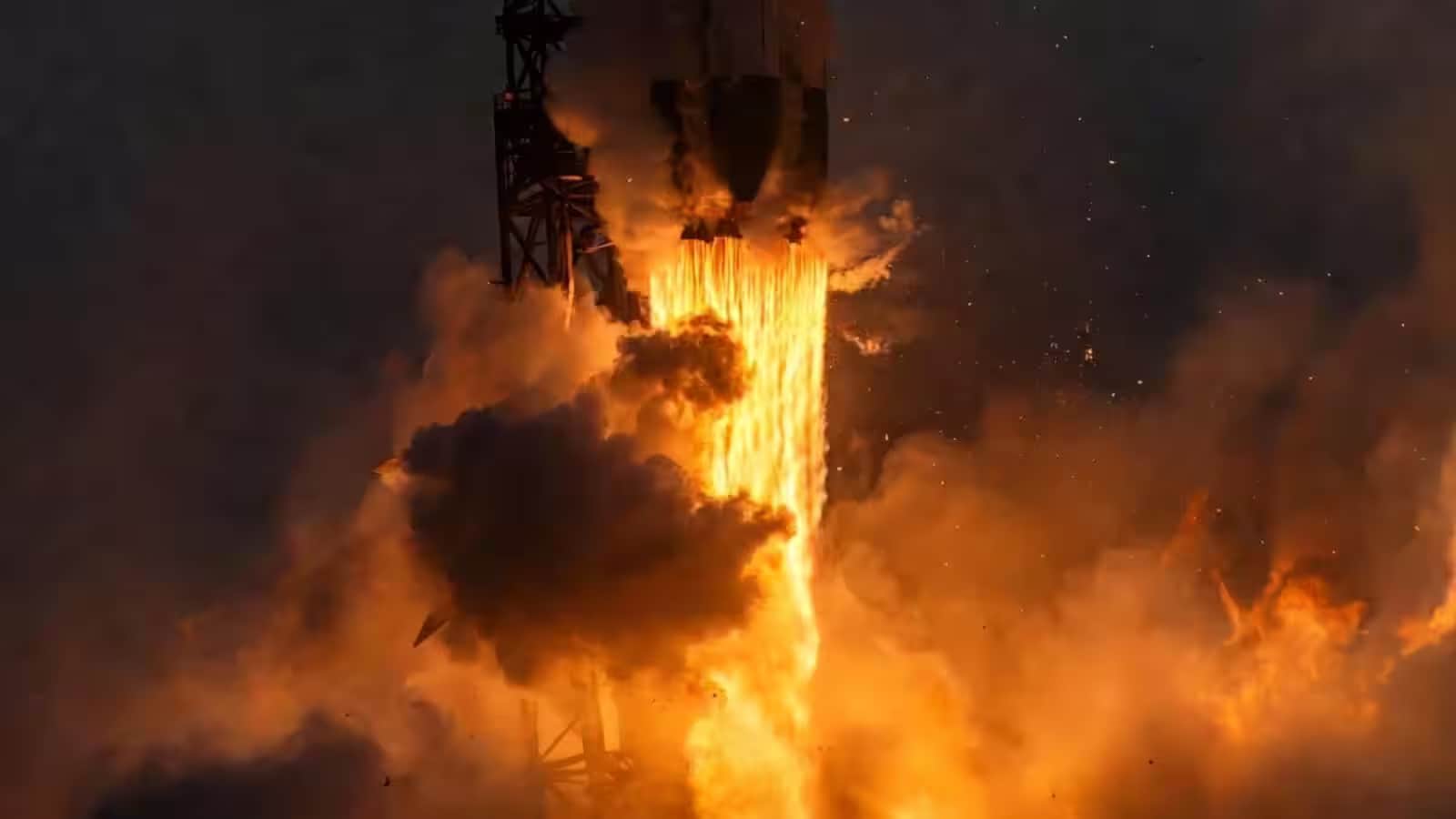
Image: ixbt.com
Falcon 9 spent May 2026 doing what no other orbital rocket could: launching again and again. Out of 22 space launches worldwide during the month, SpaceX’s workhorse accounted for 11, and every single one of those flights was successful. That is not just a busy month; it is a reminder that launch cadence, not brochure specs, is now the real scoreboard.
The broader tally also leans heavily toward the United States. American operators completed 13 launches in May, including one from New Zealand, while China logged eight and Europe one. Since the start of the year, the global total has reached 125 launches, which shows how concentrated the market still is around a small number of launch systems and spaceports.
Cape Canaveral and Vandenberg kept the schedule moving
Two US sites did most of the heavy lifting: Cape Canaveral and Vandenberg Space Force Base, with six launches each. In China, Jiuquan handled three missions and Wenchang two. That distribution matters because launch frequency is increasingly a logistics story as much as a rocket story – the pads, ranges, and turnaround times are part of the product now, whether the marketing departments admit it or not.
Recommended reading
York Space buys All.Space for $300 million
China’s Long March fleet still trails Falcon 9
China’s Long March rockets were used six times in May, while one launch each went to Atlas in the US, Vega-C in Europe, Zhuque-3, Lijian-1, and Rocket Lab’s Electron. The gap is striking: SpaceX alone matched the combined output of every other launcher family listed here except China’s Long March family. For the rest of the industry, that is the uncomfortable comparison no press release can really soften.
- Total orbital launches in May 2026: 22
- Falcon 9 launches: 11
- US launches: 13
- China launches: 8
- Europe launches: 1
- Satellites placed into orbit in May: 360
360 satellites went up in a single month
Those 22 launches carried 360 satellites to orbit, a figure that hints at how the industry is being reshaped by rideshare missions and constellation deployments. Falcon 9 sits at the center of that shift because it can fly often, carry a lot, and avoid drama – a rare combination in spaceflight. If May is any guide, competitors are no longer just racing to launch; they are racing to become routine.
The next question is whether anyone can close the cadence gap
The hard part for everyone else is not proving they can reach orbit once. It is doing it repeatedly, cleanly, and at a pace that matters commercially. SpaceX has made that look almost boring, which is exactly why the rest of the market should be nervous.

Frontier Editor
Dan is our resident futurist, covering electric mobility, space exploration, and the smart home. He's interested in atoms just as much as bits. Whether it's a new battery chemistry, a reusable rocket, or a protocol that finally makes IoT devices talk to each other, Dan breaks down the engineering that pushes humanity forward.
via ixbt.com