• 3 min read
Falcon 9 launch costs fall as Starship targets 99% more savings
SpaceX says it has pushed the price of reaching low Earth orbit from about $18,500 per kilogram to as low as $1,400 per kilogram with Falcon Heavy, and it wants Starship to go even further – by more than 99%. That is the
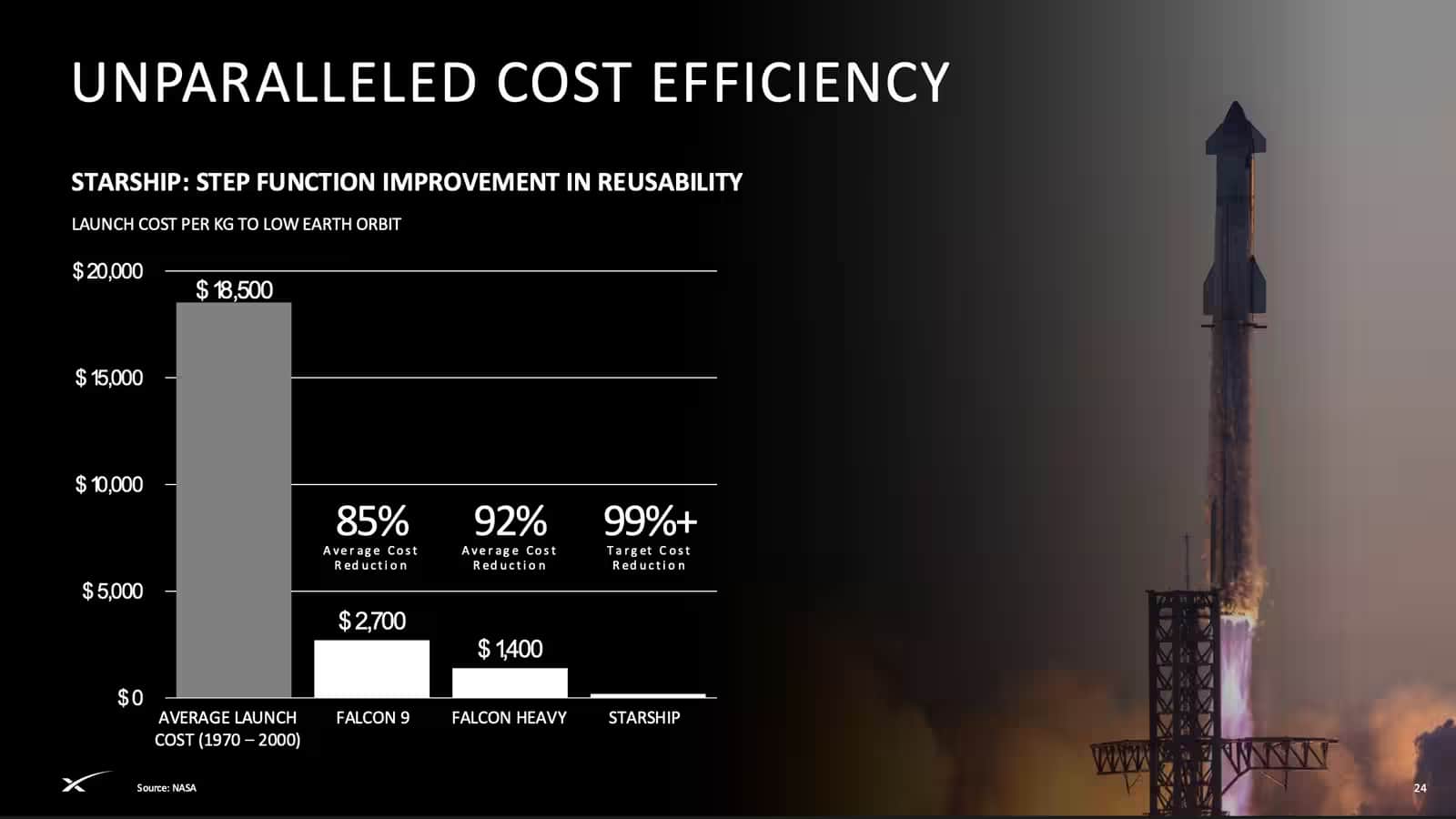
Image: ixbt.com
SpaceX says it has pushed the price of reaching low Earth orbit from about $18,500 per kilogram to as low as $1,400 per kilogram with Falcon Heavy, and it wants Starship to go even further – by more than 99%. That is the latest snapshot from NASA’s own materials, and it underlines the same thing SpaceX has been selling for years: if launch prices keep falling, the bottleneck in space is no longer getting there, but what you can afford to put there.
The numbers also show how aggressively reusable rockets have compressed a market that used to look frozen in place. Falcon 9 brought the cost down to $2,700 per kilogram, which is already a massive haircut from the old benchmark, while Falcon Heavy tightened it further. Starship is being positioned as the next leap, not a marginal improvement – and that is why every test flight matters more than the hype machine around it.
Falcon 9 and Falcon Heavy launch costs
The old orbital launch price of roughly $18,500 per kilogram was the kind of number that shaped satellite business models for decades. Falcon 9 changed that economics first, and Falcon Heavy pushed it down again to around $1,400 per kilogram, a drop of about 92% compared with the earlier figure.
- Old low Earth orbit launch cost: about $18,500 per kg
- Falcon 9: $2,700 per kg
- Falcon Heavy: about $1,400 per kg
- SpaceX’s stated Starship target: more than 99% lower costs
Why Starship changes the conversation
SpaceX was founded in 2002 with the blunt aim of making spaceflight cheaper and, eventually, making life multiplanetary. Since then it has gone from repeated early failures to Falcon 1, then Falcon 9, crew and cargo flights to the International Space Station, Starlink deployment, and now Starship testing in Texas.
Recommended reading
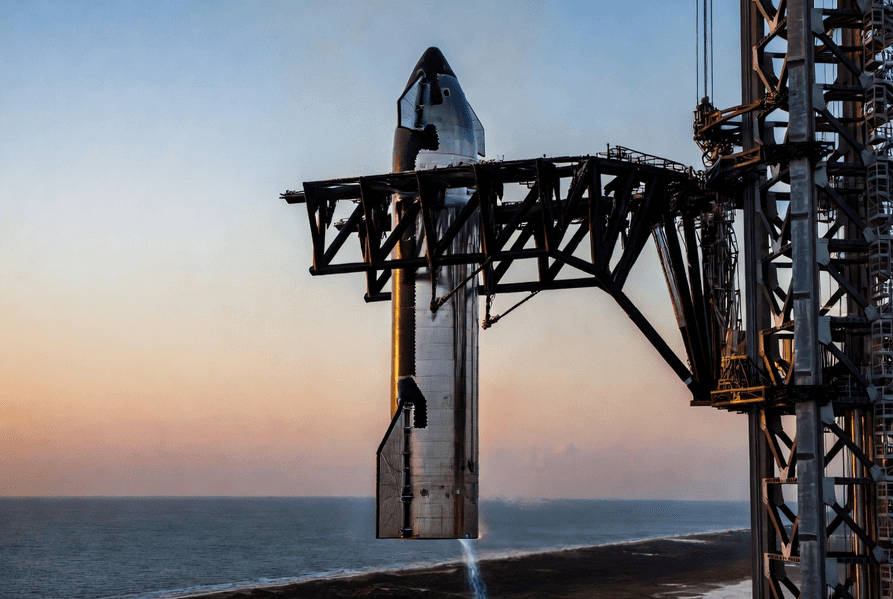
SpaceX may catch Starship on its next flight
That matters because lower launch prices do not just help SpaceX sell more rockets. They reshape what satellites, station modules, and deep-space hardware can economically look like, which is exactly why rivals keep trying to answer Falcon 9 with reusable boosters of their own. So far, none has matched SpaceX’s combination of cadence, reuse, and pricing pressure.
What SpaceX is testing at Starbase
At Starbase in Texas, Booster 20 and Ship 20 are preparing for their next flight, while SpaceX continues refining Mechazilla – the giant mechanical “chopsticks” on the launch tower. The next set of Starship missions is expected to carry next-generation Starlink satellites, which are designed to increase the network’s capacity.
The open question is no longer whether SpaceX can make rockets reusable. It is whether Starship can move from impressive promises to routine operations without turning every launch into a spectacle. If it does, the industry’s price floor gets kicked down again.
Frontier Editor
Dan is our resident futurist, covering electric mobility, space exploration, and the smart home. He's interested in atoms just as much as bits. Whether it's a new battery chemistry, a reusable rocket, or a protocol that finally makes IoT devices talk to each other, Dan breaks down the engineering that pushes humanity forward.
via ixbt.com