• 2 min read
EPA exempts data-center power plants from acid-rain limits
The EPA says power plants built exclusively for data centers are outside Acid Rain Program limits on sulfur and nitrogen oxide emissions.
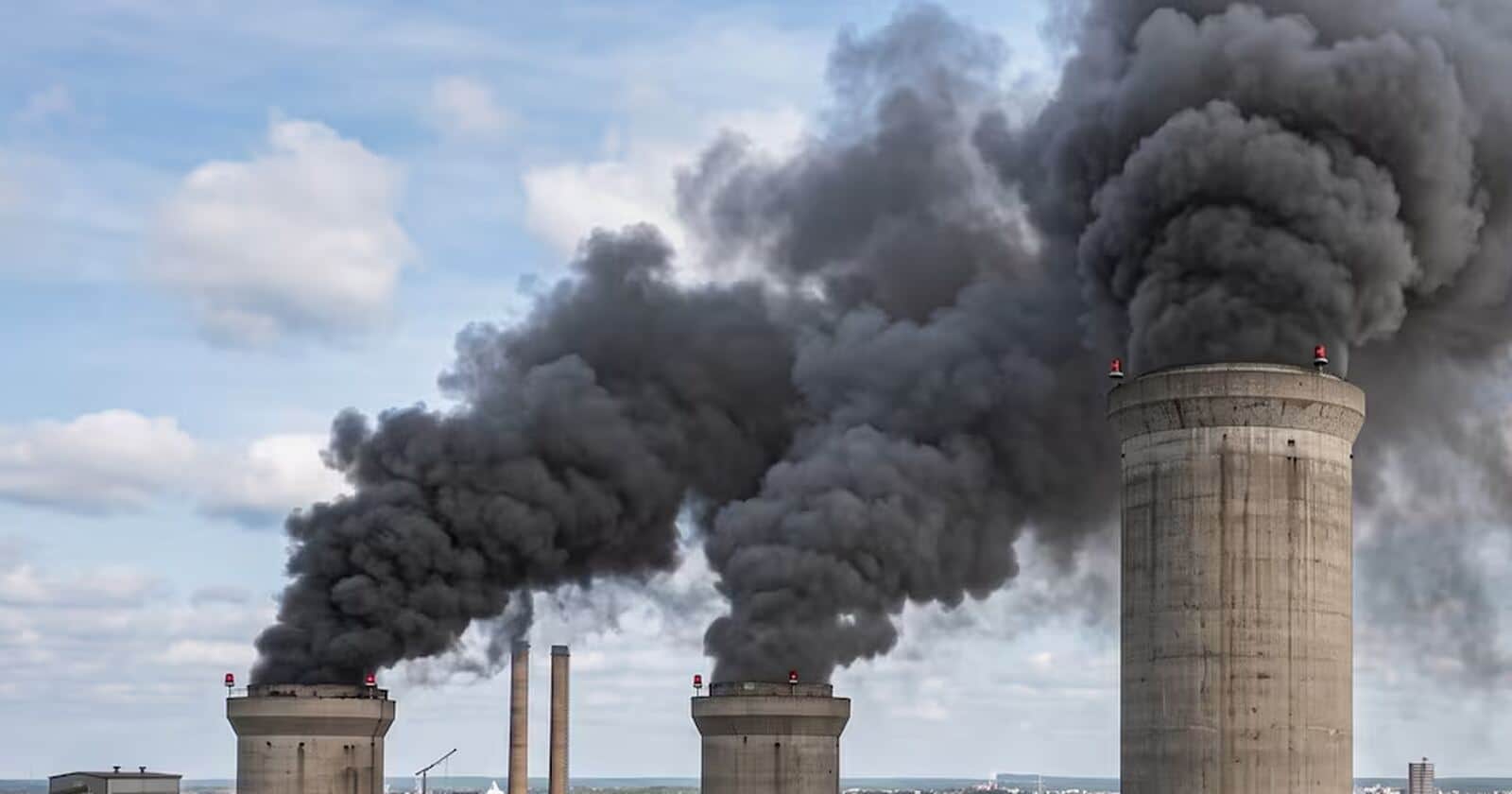
Image: ITzine
The U.S. Environmental Protection Agency (EPA) has determined that power plants built exclusively for data centers do not fall under the federal Acid Rain Program. The interpretation removes these facilities from emissions limits on sulfur and nitrogen oxides that have long applied to traditional power generation.
Reuters reports that the decision concerns so-called isolated power plants: facilities built not to supply the general grid, but to serve data-center infrastructure directly. The EPA estimates that dozens of projects could already fit this interpretation. About 60 such power plants are currently operating or under construction in the United States.
Why the exemption matters for AI infrastructure
The decision comes as demand for electricity from AI infrastructure accelerates. Estimates cited in the report suggest that data centers could consume up to one-fifth of all U.S. electricity within the next eight years. As a result, dedicated generation is increasingly being treated as a policy issue, rather than simply an engineering choice.
The EPA says the Acid Rain Program was originally designed for “traditional” utility companies. Under the agency’s interpretation, a plant that does not supply electricity to the public and operates only for a data center does not qualify as a utility under the program.
Aaron Szabo, the EPA’s deputy administrator for air and radiation, explicitly linked the approach to the White House’s effort to speed up AI infrastructure. He described the exemption as part of the administration’s broader policy direction.

Recommended reading
xAI challenges Minnesota nudification ban in court
What changes for new power plants
For data-center developers, the decision creates a less restrictive regulatory path for projects racing to become operational. Exemption from the federal sulfur and nitrogen oxide limits could help some facilities move faster, although the report does not provide project-level timelines or identify the plants affected.
The policy also raises questions about emissions oversight. These power plants may be located near large computing clusters rather than residential neighborhoods, but their environmental impact remains a regulatory concern. If more isolated facilities are built, pressure on regulators is likely to increase.
The EPA’s interpretation applies to plants dedicated to data centers; the source does not specify whether additional permitting requirements or state-level emissions rules will still apply.
Author: Elizaveta Dobrovolskaya has written for itzine.ru since 2021, covering smartphones, gadgets, hardware, artificial intelligence, space, and the electric-vehicle market.
AI Editor
Ava covers the rapidly evolving world of artificial intelligence, from foundational models and research labs to the real-world economics of intelligence. With a background in computational linguistics, she cuts through the hype to find out what actually works. She firmly believes that benchmarks are just marketing until reproduced in the wild.
via ITzine