• 2 min read
Americans see AI as capable—and trust it less
A Bentley-Gallup survey finds Americans see AI as more capable but trust it less, with 79% expecting it to reduce the number of jobs.
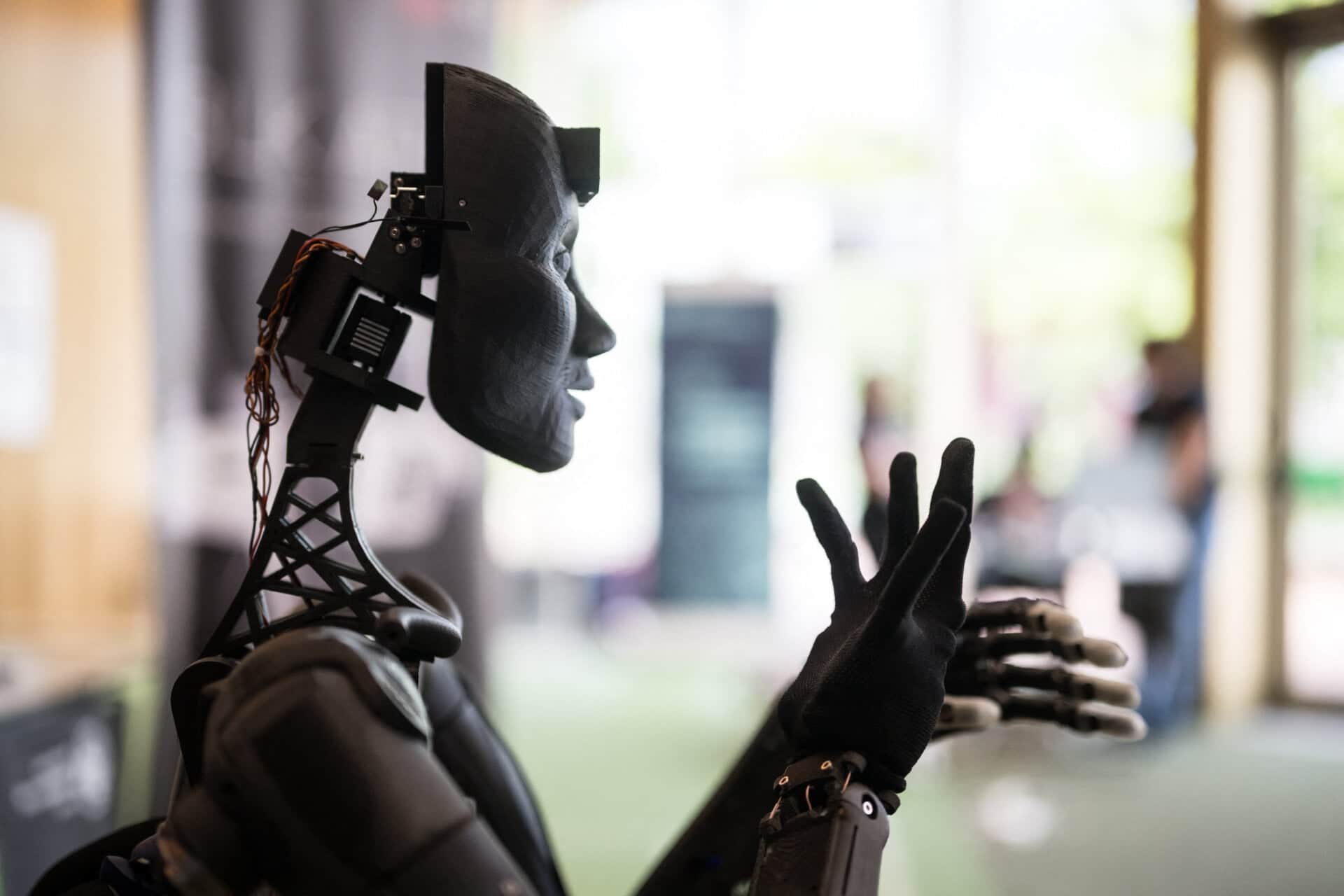
Image: Gizmodo
Americans are becoming more capable of judging artificial intelligence—and less convinced they should trust it. A new Bentley University-Gallup survey, shared with Gizmodo, finds that public skepticism has risen even as people increasingly view AI as comparable to humans in several tasks.
AI’s perceived abilities are rising
The survey, which has tracked public opinion since 2023, found that seven in 10 respondents now consider themselves somewhat or extremely knowledgeable about AI, up from 64% last year. Respondents also increasingly believe AI performs as well as or better than people in areas such as financial advice and helping students with homework.
Perceptions of AI driving a car and providing medical advice have also improved significantly, although human recommendations still lead in both areas.
That growing familiarity has not translated into greater optimism. Thirty-nine percent of respondents said AI does more harm than good, up from 31% in 2025. The share rose to 47% among 18- to 29-year-olds, compared with 27% in 2024 and 36% in 2025.
Meanwhile, 52% said AI produces equal amounts of good and harm. Only 9% said it does more good than harm.
Recommended reading
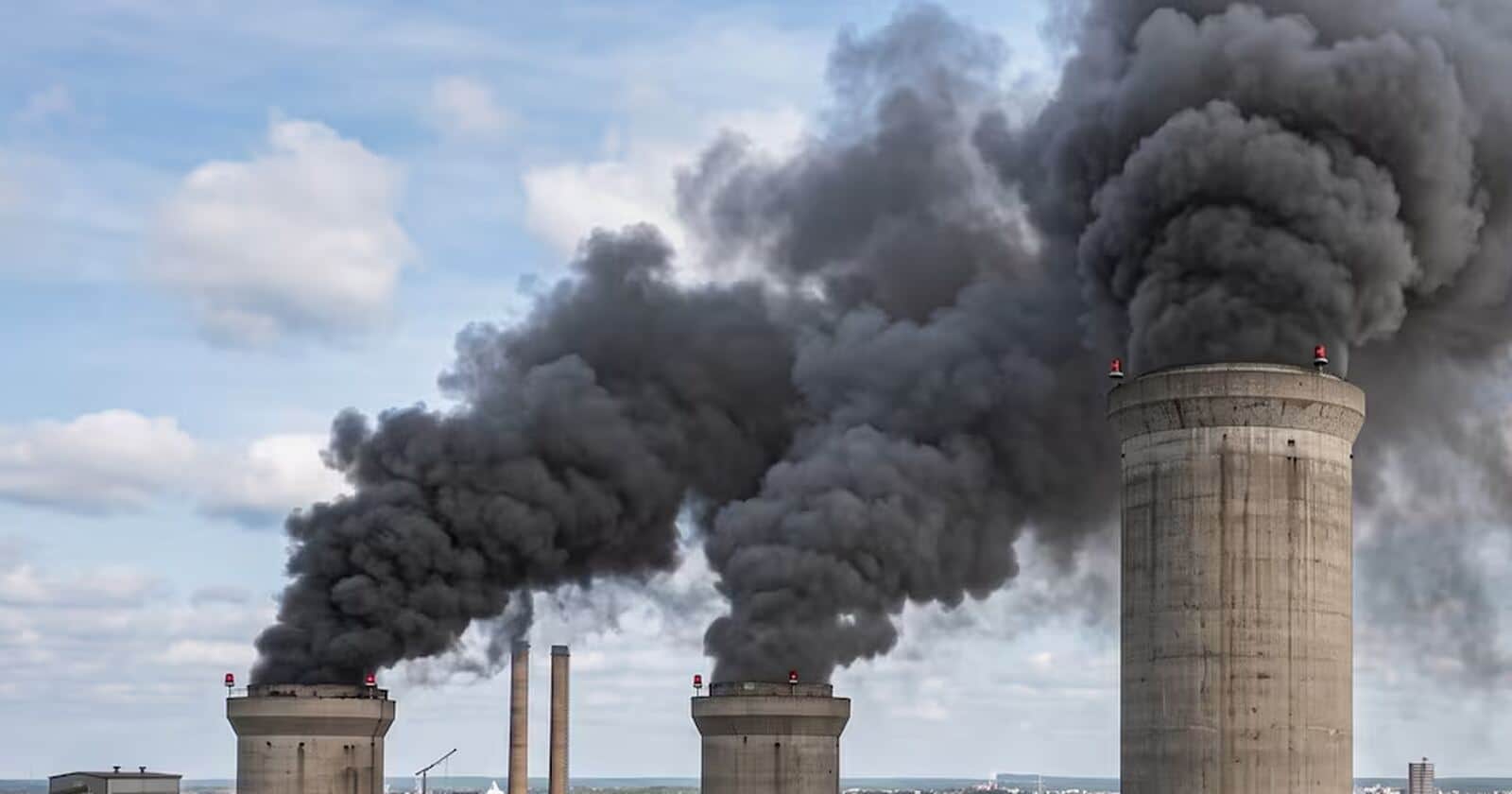
EPA exempts data-center power plants from acid-rain limits
Trust in companies and jobs is falling
Nearly three in four respondents said they trust companies to use AI responsibly “not much” or “not at all.” Among young people, that figure reaches four in five.
Republicans were the most trusting political group, but confidence among them also declined: about 35% said they had some or a lot of trust in companies' responsible use of AI, down from 41% in 2025.
The survey also found that 79% believe AI will reduce the total number of jobs—the highest share recorded during the poll’s four years. Concern was strongest among adults aged 45 to 59, with 84% expecting fewer jobs, up from 75% in 2025.
The findings run against the theory that greater exposure would make people more enthusiastic about AI. In this survey, increased awareness and stronger perceptions of AI’s capabilities have arrived alongside declining trust, concern about corporate behavior, and a record level of anxiety over job losses.
AI Editor
Ava covers the rapidly evolving world of artificial intelligence, from foundational models and research labs to the real-world economics of intelligence. With a background in computational linguistics, she cuts through the hype to find out what actually works. She firmly believes that benchmarks are just marketing until reproduced in the wild.
via Gizmodo