• 3 min read
Ex-Tesla manager calls robotaxis 'rolling hazards'
A former Tesla manager alleges understaffing, unsafe testing and retaliation while overseeing Houston FSD robotaxi operations.
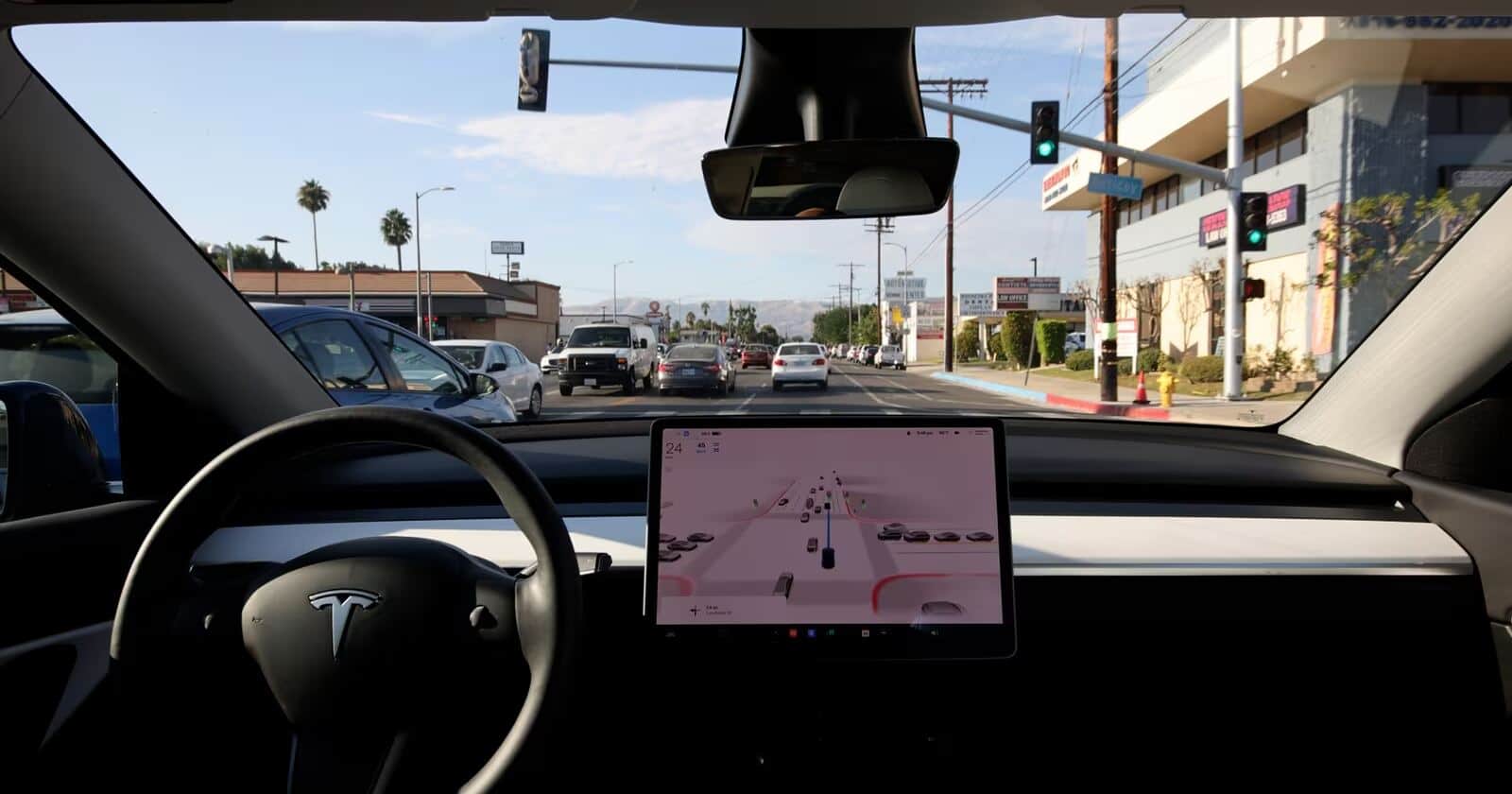
Image: ITzine
A former Tesla manager who oversaw Full Self-Driving tests in Houston has sued the company, alleging that robotaxis were sent onto public roads while the safety operation was understaffed. The lawsuit describes excessive hours, too few personnel and an incident after which Tesla allegedly fired him for trying to raise concerns about the risks.
“Rolling hazards.”
The case is being filed by Javier Medrano, who says he led a team of safety operators during Tesla tests from October 2024 through May 1, 2025. According to the complaint, his responsibilities included reviewing journey video, joining weekly ride-alongs and maintaining near-continuous contact with the team.
Staffing claims in the Tesla lawsuit
Medrano says the number of operators under his supervision rose to 38. He links an internal benchmark to Autopilot director Pete Shoutsou: roughly one manager for every 15 operators. The complaint argues that the resulting workload and lack of resources contributed to an accident.
After the incident, Medrano claims he was sleeping at work and gave an operator unsafe instructions, as described in the lawsuit. He alleges that Tesla did not reinforce the local team afterward. His attempts to report the problem through official channels, he says, ended with his dismissal.
Medrano is seeking reinstatement, unpaid and underpaid compensation, and damages for moral and financial harm. The source does not provide Tesla’s response to the allegations.
Recommended reading
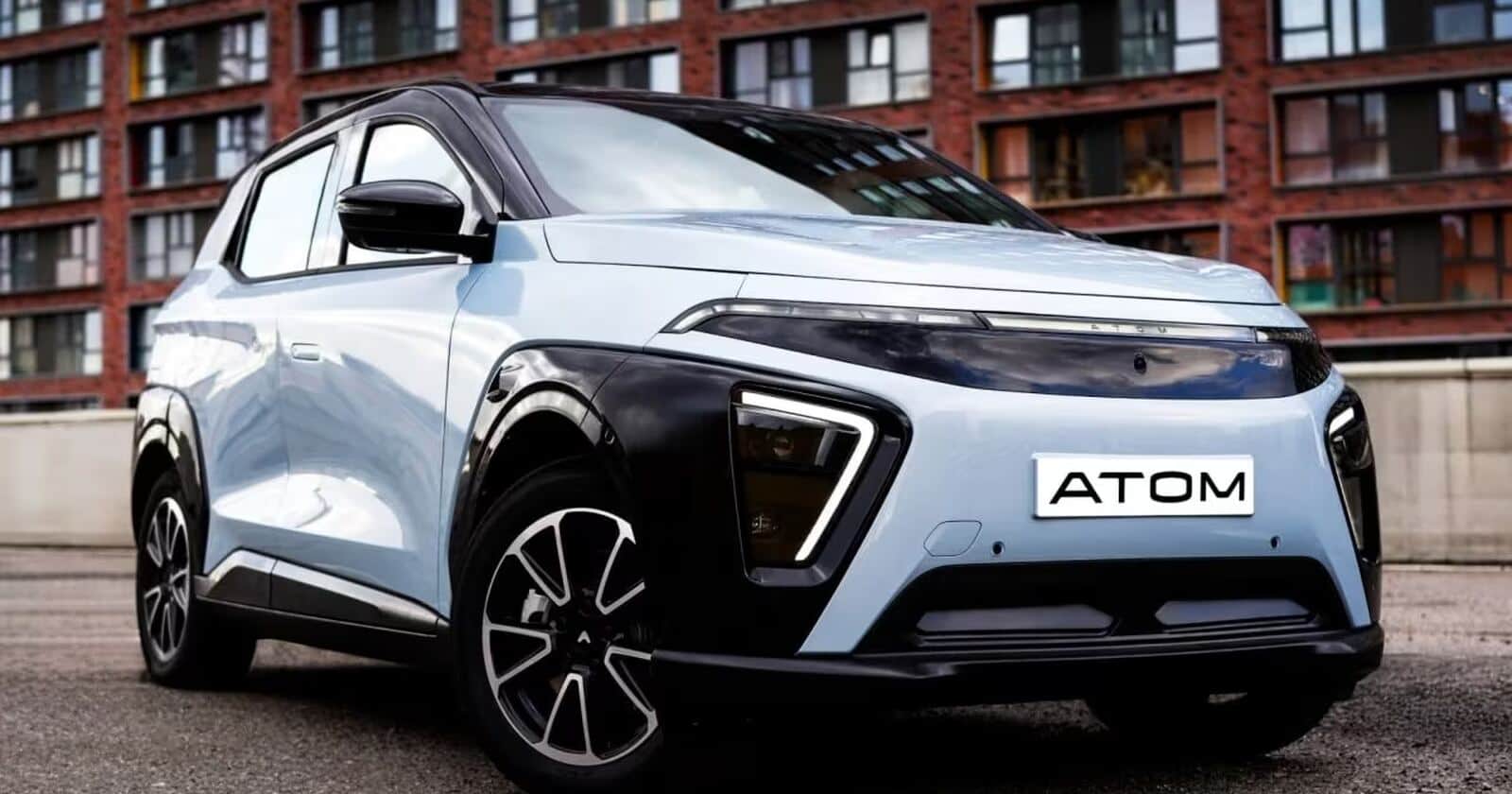
Atom electric car beats range rating with 597 km run
FSD scrutiny and robotaxi delays
The lawsuit arrives amid wider questions about Tesla’s driver-assistance and autonomous-driving strategy. Reuters reported in May that Tesla may be overstating the safety of Full Self-Driving, while employees who label driving videos regularly encounter system errors in ordinary road situations.
The National Highway Traffic Safety Administration is also investigating Tesla’s Autopilot technology. At the same time, the company’s robotaxi service has progressed more slowly than expected after its high-profile announcements.
Tesla already sells FSD as a commercial subscription, but the driver must continuously monitor the road. The company’s path toward a more autonomous system relies on cameras and software-based interpretation of the driving environment, without a conventional sensor suite such as lidar. That approach has long been disputed by engineers and regulators.
The complaint therefore raises questions not only about Medrano’s dismissal, but also about how Tesla organized the testing operation itself. It does not establish that staffing caused an accident or that the allegations are true; those issues would have to be resolved through the legal process.
Waymo and Cruise take different paths
Tesla’s competitors have generally operated their robotaxi programs more cautiously. Waymo is already serving several U.S. cities within geofenced areas and with remote oversight. Cruise, after its own crashes and regulatory pressure, has effectively started over.
Tesla is still trying to show that it can move FSD from a driver-assistance mode to a fully autonomous service faster than its rivals. Medrano’s lawsuit adds a new question to that effort: whether the company’s push for speed also created unsustainable demands on the teams responsible for testing and safety.
Frontier Editor
Dan is our resident futurist, covering electric mobility, space exploration, and the smart home. He's interested in atoms just as much as bits. Whether it's a new battery chemistry, a reusable rocket, or a protocol that finally makes IoT devices talk to each other, Dan breaks down the engineering that pushes humanity forward.
via ITzine