• 2 min read
Czechia to send Aleš Svoboda to the ISS on SpaceX Dragon
Czechia is set to send its first astronaut to the International Space Station, with military pilot Aleš Svoboda expected to serve as the mission’s pilot if training goes to plan. The Czechia ISS mission is penciled in fo
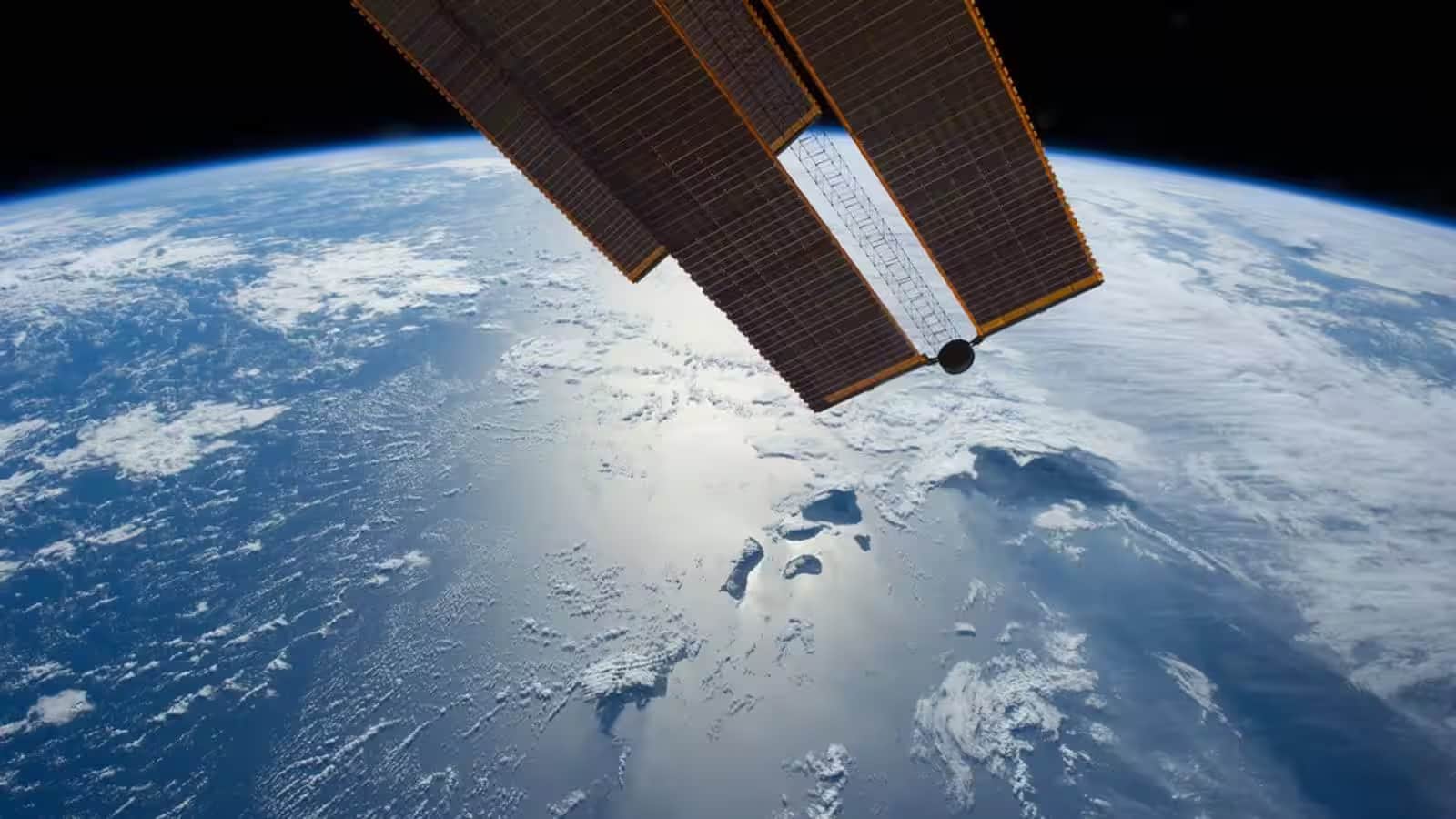
Image: ixbt.com
Czechia is set to send its first astronaut to the International Space Station, with military pilot Aleš Svoboda expected to serve as the mission’s pilot if training goes to plan. The Czechia ISS mission is penciled in for the second half of 2027, and it gives Prague a seat on a mission built around Europe’s growing reliance on commercial spaceflight rather than a purely state-run program.
Prime Minister Andrej Babiš said the project should open doors for Czech universities, research bodies, and technology companies. That pitch is familiar, but in space it has become increasingly practical: if a country wants meaningful scientific access to orbit without spending like a superpower, buying into someone else’s infrastructure is the neatest workaround.
What Aleš Svoboda will do on the mission
According to the preliminary plan, Svoboda will fly aboard SpaceX Dragon, launched by a Falcon 9 rocket. The four-person crew already has one confirmed name: French astronaut Thomas Pesquet, who is expected to command the expedition. For Czechia, the symbolism is obvious, but the practical payoff is bigger – access to experiments, hardware testing, and the kind of orbital visibility that can help a small space sector punch above its weight.
Europe has been inching deeper into commercial transport to orbit for years, and this mission fits that trend. NASA, ESA partners, and private operators have all been steadily normalizing mixed public-private crewed flights, which makes a Czech seat on Dragon feel less like a stunt and more like a late arrival to a club that is already busy signing new members.
Czechia ISS mission details
- Mission target: the International Space Station
- Expected timing: the second half of 2027
- Spacecraft: SpaceX Dragon
- Launch vehicle: Falcon 9
- Crew size: four
Why this mission matters for Czech science
Babiš framed the flight as a way to connect Czech expertise with technologies that can spill into industry, healthcare, and other sectors. That is the standard space-industry argument, but it is not empty rhetoric: countries that get astronauts into orbit tend to build stronger domestic ecosystems around research, engineering, and high-value manufacturing.
Recommended reading
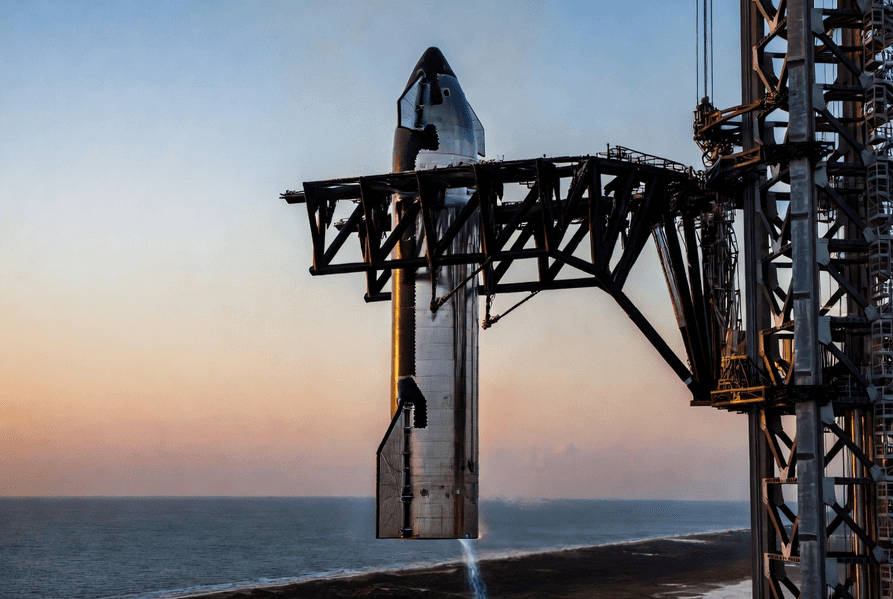
SpaceX may catch Starship on its next flight
There is also a political side to this. For Czechia, sending its first astronaut is a prestige move, but it is also a bet that access matters as much as ownership. In the current space race, not every country needs its own rocket to matter; sometimes the smarter play is to secure a seat, learn fast, and let someone else handle the launch pad.
If Svoboda clears training and the schedule holds, the more interesting question is what Czechia does with the opening afterward: a one-off national headline, or the start of a repeatable pipeline into European crewed missions?
Frontier Editor
Dan is our resident futurist, covering electric mobility, space exploration, and the smart home. He's interested in atoms just as much as bits. Whether it's a new battery chemistry, a reusable rocket, or a protocol that finally makes IoT devices talk to each other, Dan breaks down the engineering that pushes humanity forward.
via ixbt.com