• 3 min read
Canada’s paper giant bets on a 31-turbine wind farm
A paper mill in Nova Scotia is about to become one of the most unusual industrial power users in North America. Port Hawkesbury Paper says it will invest $450 million in Goose Harbor Lake, a wind farm built around up to
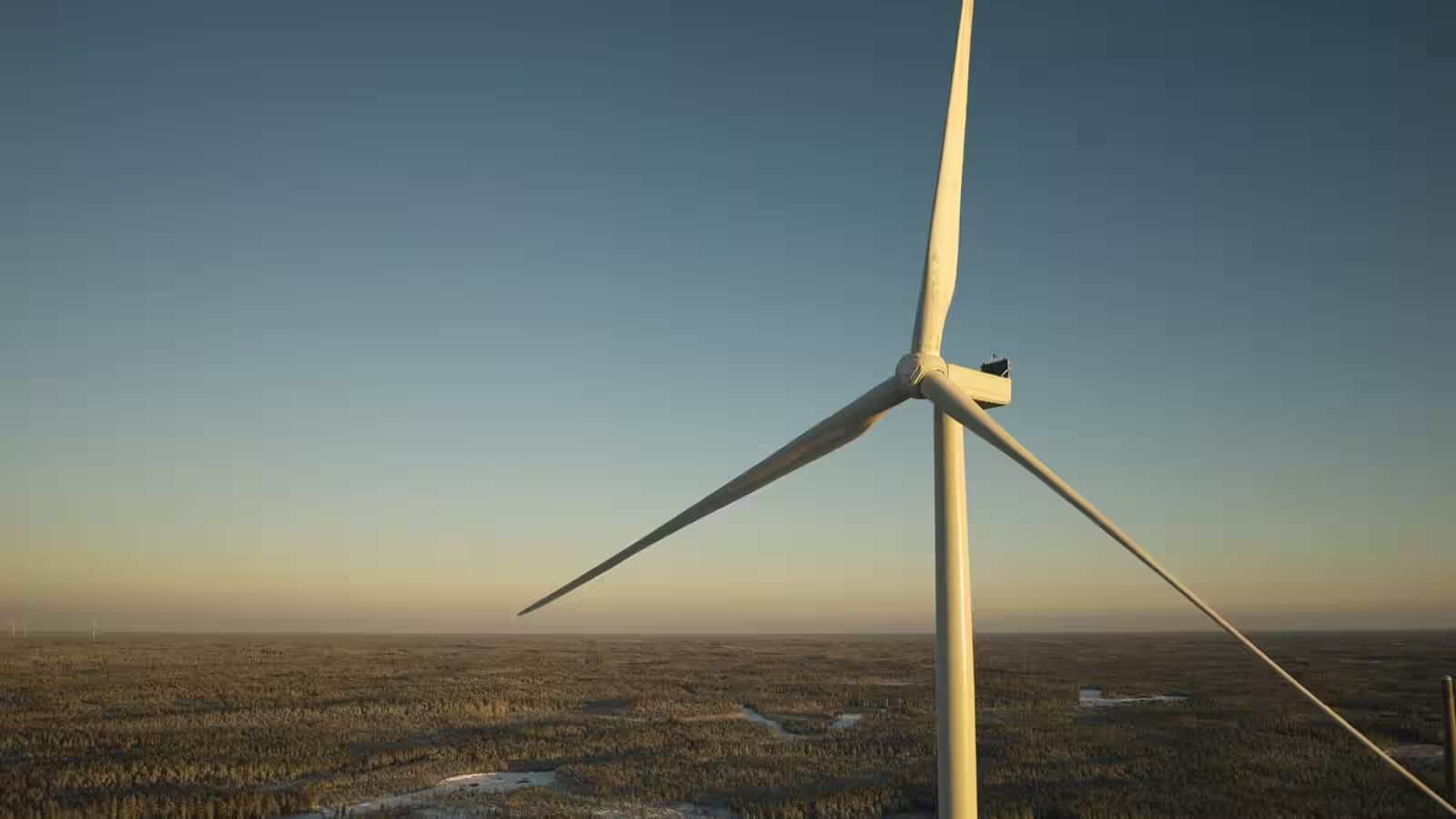
Image: ixbt.com
A paper mill in Nova Scotia is about to become one of the most unusual industrial power users in North America. Port Hawkesbury Paper says it will invest $450 million in Goose Harbor Lake, a wind farm built around up to 31 Nordex N163/6.X turbines that should cover more than 60% of the factory’s annual electricity demand.
The answer is yes: the Canada paper giant is building its own wind farm to cut dependence on Nova Scotia’s stressed grid. The project is designed to supply more than 60% of the mill’s annual electricity needs and help shield the factory from winter power disruptions.
That is the sort of self-help utility strategy more factories will be eyeing as power systems face heavier loads, harsher conditions, and less patience for outages.

Recommended reading
SpaceX may catch Starship on its next flight
Nordex turbines built for cold weather
The equipment choice matters here. Nordex is supplying turbines designed for extreme cold, a sensible fit after January freezes in the region exposed a weak point in wind generation: icing can drag output down fast, and operators sometimes have to shut turbines entirely.
Each turbine in the project can produce up to 6.9 MW. The rotor diameter is 163 meters, the steel tower stands 118 meters high, and the total structure reaches roughly the height of a 40-storey building. In plain terms, these are not dainty machines; they are giant air scoops meant to keep harvesting power even when the wind is less than heroic.
- Up to 31 turbines
- 6.9 MW per turbine
- 163-meter rotor diameter
- 118-meter tower height
- More than 60% of the mill’s annual electricity needs
Why Port Hawkesbury Paper moved after January’s freeze
The January storm was the wake-up call. As temperatures plunged below -30°C with wind chill, provincial wind generation reportedly fell from 350 MW in the morning to 75 MW by evening as blades iced over. That kind of drop is a reminder that renewable power is only as reliable as the hardware and weatherproofing behind it.
Port Hawkesbury Paper’s own demand makes the business case sharper. The company says the mill can consume up to 25% of Nova Scotia’s power grid during peak periods, which is a lot of strain for one industrial site. A private wind farm won’t solve every problem, but it does reduce the odds that a paper machine is competing with an entire province for electricity.
Anti-icing tech is the real insurance policy
The headline number is the size of the turbines, but the less flashy feature may matter more: Nordex’s electric thermal de-icing system. It heats critical areas of the rotor surface to stop ice from accumulating, which should keep the blades turning when smaller or less specialized turbines would stall out.
If the project delivers as promised, Goose Harbor Lake becomes more than a corporate decarbonization gesture. It is a practical answer to a cold-climate problem that grid operators across Canada and northern Europe know all too well: wind power is plentiful until the blades freeze. The next question is whether more heavy industry decides it would rather build its own power than keep betting on a grid that can wobble under pressure.
Frontier Editor
Dan is our resident futurist, covering electric mobility, space exploration, and the smart home. He's interested in atoms just as much as bits. Whether it's a new battery chemistry, a reusable rocket, or a protocol that finally makes IoT devices talk to each other, Dan breaks down the engineering that pushes humanity forward.
via ixbt.com