• 3 min read
WindBorne raises $37 million for AI weather forecasts
WindBorne Systems raised $37 million at a $250 million valuation to commercialize AI weather forecasts built from balloon data.
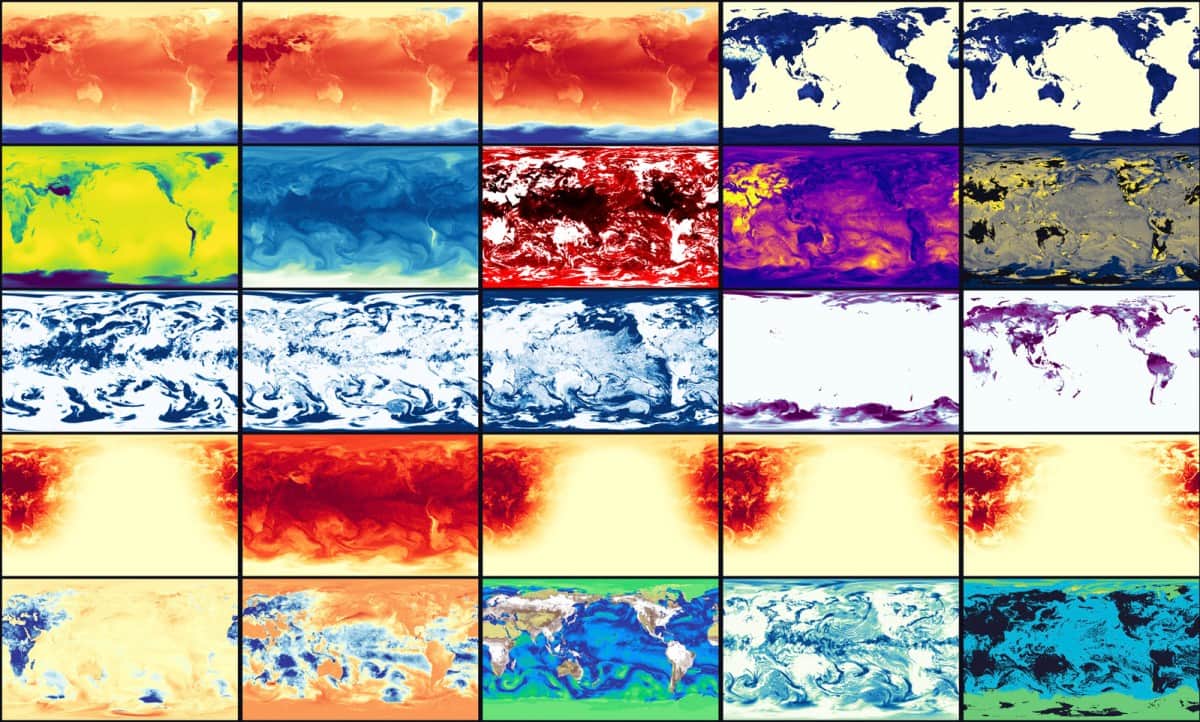
Image: TechCrunch
WindBorne Systems has raised $37 million to turn AI-powered weather forecasting into a larger commercial business, as the startup expands beyond government customers and weather-data specialists. The Series B values the company at $250 million after the round, CEO John Dean told TechCrunch.
The funding was co-led by Khosla Ventures and Galvanize, with additional backing from TransLink Capital, Lux Capital, and previous investors. WindBorne was founded in 2019 and initially focused on collecting atmospheric data with low-cost sensors carried by long-endurance weather balloons.
How WindBorne collects weather data
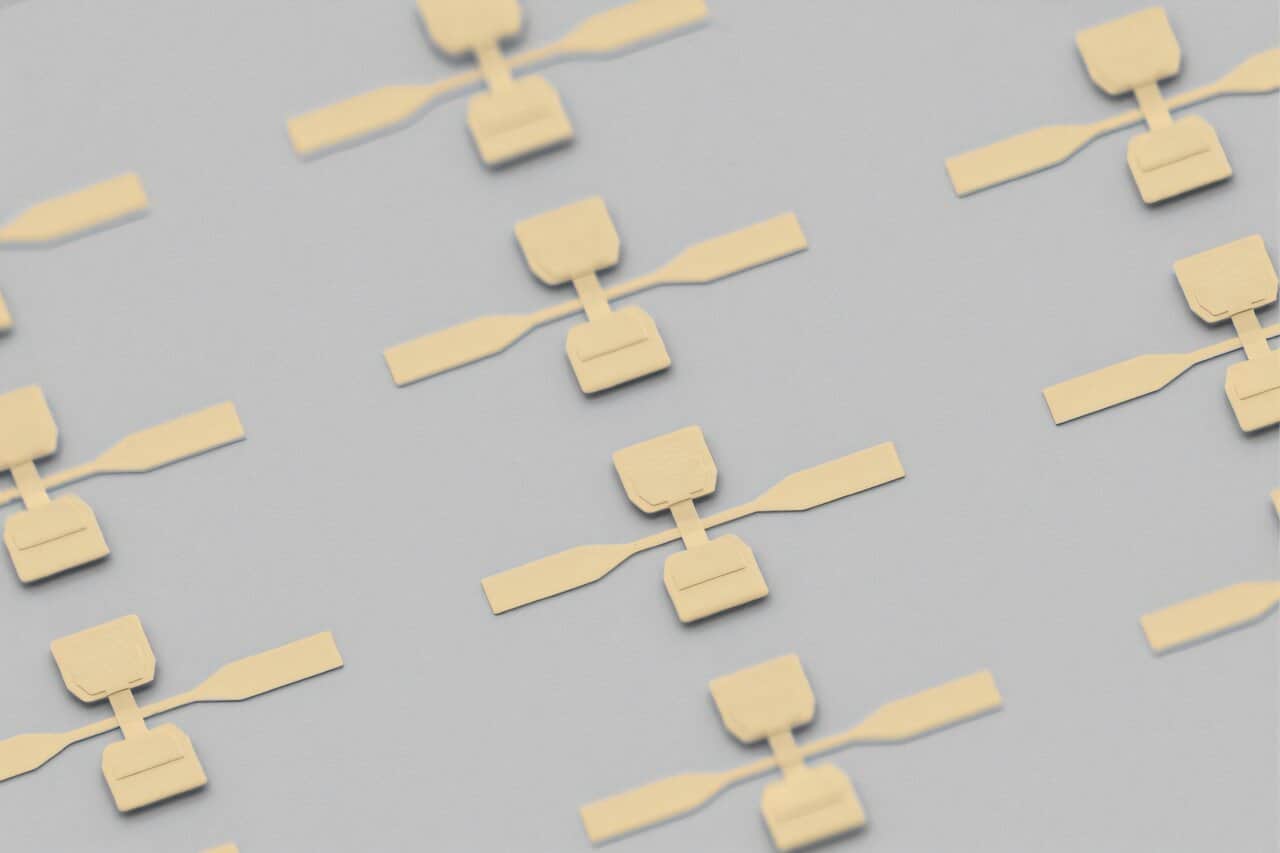
WindBorne operates 20 launch sites worldwide and has about 600 balloons in the air at any given time. The balloons gather measurements from areas that are difficult to monitor, including the eye of a typhoon.
The company is also beginning to deploy aerial sensor packages designed to fall into the ocean and continue collecting measurements as floating buoys. Dean calls the resulting proprietary dataset a “planetary nervous system.” WindBorne combines that data with datasets from government weather agencies to train and run its forecasting models.
Recommended reading
Starship Flight 14 will target orbit, SpaceX says
The technical opportunity changed substantially in the last four years. New deep-learning techniques have made weather simulations practical on laptops rather than only on supercomputers, allowing private companies to develop their own forecasts at a far lower cost.
“We demonstrated that when you add balloons to the forecast, you get more accurate forecasts, and the value per data point is much stronger than satellites.”
From government contracts to private business
WindBorne’s main customers are still government agencies. The U.S. National Weather Service purchases its data, while the U.S. Air Force and U.S. Navy pay through research partnerships. One project is developing forecasting models that can run onboard ships with intermittent connections to the rest of the world.
The startup now wants to grow its private-sector business, which currently centers mainly on investment funds using weather data to predict commodity prices and other business outcomes. The new capital will fund additional computing, help replace the balloon network’s satellite communications with a mesh radio network, and support a larger go-to-market team.
That expansion is the difficult part. Other sensing startups, including companies building earth-observation satellite networks, have struggled to sell broadly to private businesses because turning raw data into useful decisions requires established workflows and specialist expertise. Private weather companies have often focused instead on repackaging government forecasts for media, aircraft de-icing, ship routing, and financial speculation.
Galvanize partner Saloni Multani, who co-led the round, said AI could make those integrations more economical:
“Integrating weather forecasts into broader business decision-making has traditionally been expensive and difficult. We think AI changes that equation. Better forecasts make the effort worthwhile, and AI makes it much easier to connect those forecasts to the decisions businesses are trying to make.”
WindBorne has demonstrated a potentially valuable combination of proprietary data and cheaper forecasting compute, and it is already generating revenue. The unresolved business question is whether that advantage can overcome the workflow and sales barriers that have kept private weather services relatively narrow.
Frontier Editor
Dan is our resident futurist, covering electric mobility, space exploration, and the smart home. He's interested in atoms just as much as bits. Whether it's a new battery chemistry, a reusable rocket, or a protocol that finally makes IoT devices talk to each other, Dan breaks down the engineering that pushes humanity forward.
via TechCrunch