• 3 min read
Hanwha Qcells opens US solar plant with full local production
Hanwha Qcells has started commercial production of solar cells at a new plant in Cartersville, Georgia, completing what it says is the largest solar manufacturing complex ever built in the United States. The company’s So
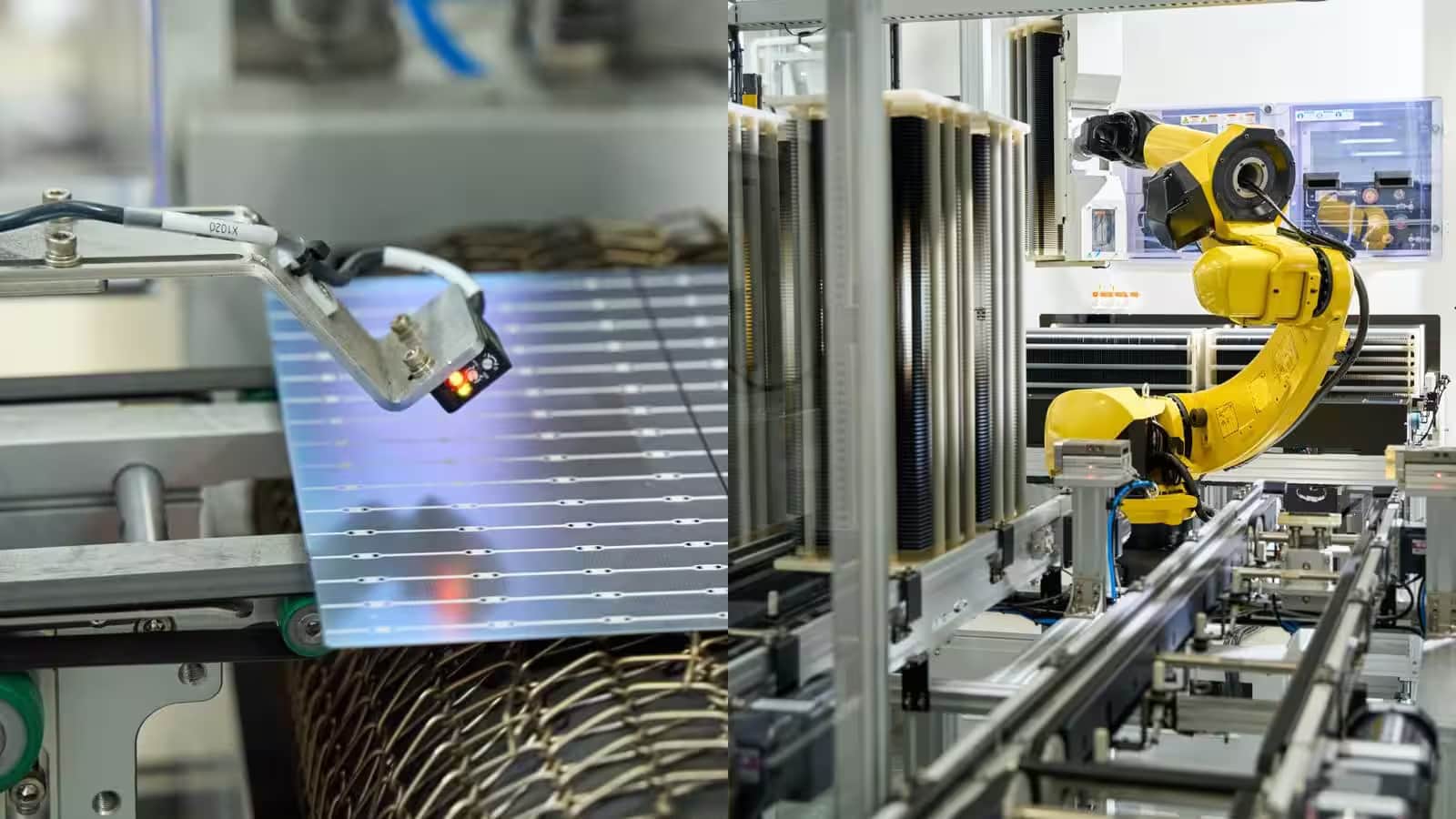
Image: ixbt.com
Hanwha Qcells has started commercial production of solar cells at a new plant in Cartersville, Georgia, completing what it says is the largest solar manufacturing complex ever built in the United States. The company’s Solar Hub brings silicon processing, cell production, and module assembly onto one site – a setup the US solar industry has spent years trying to build while relying heavily on imported parts.
The Hanwha Qcells US solar plant is designed to make more of the supply chain locally, and that matters as Washington keeps trying to pull clean-tech manufacturing onshore. If a factory can localize more stages of production, it has a better shot at dodging shipping shocks, tariff headaches, and the component bottlenecks that have dogged US installers for years.
Cartersville plant adds 3.5 GW of annual output
Once the site reaches full capacity, the Cartersville plant is expected to produce up to 3.5 GW of finished solar modules a year. The assembly lines are already running, with output at about 16,700 panels a day. That is a serious volume for a single site, and it gives Hanwha Qcells a scale advantage at a time when manufacturers are still fighting for margin in a brutally competitive market.

Recommended reading
NASA staff cuts hit 25 major programs
The investment behind it is equally large:
- About $2.1 billion for the Solar Hub
- An expanded plant in Dalton as part of the broader Georgia network
- Up to 8.6 GW of total US production capacity a year
- Enough equipment for roughly 1.3 million American homes
Why the Inflation Reduction Act makes this plant more valuable
The business case is not just about output. By localizing the full production chain, Hanwha Qcells can qualify for tax benefits at multiple stages under the Inflation Reduction Act, from silicon processing through final assembly. That matters because the IRA has pushed solar makers toward domestic capacity, and the companies that can actually do the whole chain stand to capture more of the subsidy value than assemblers that still depend on foreign inputs.
Buyers get a benefit too. US-made panels can help developers of solar projects access additional federal tax incentives tied to locally produced equipment. In practice, that gives Hanwha Qcells a sales pitch that goes beyond patriotism: less supply-chain risk, better tax treatment, and a cleaner story for customers trying to keep projects financially viable.
China still dominates the solar supply chain
For all the fanfare, one plant does not end China’s grip on solar manufacturing. Beijing still dominates the global solar supply chain, especially upstream materials and components, and US companies are only beginning to rebuild lost industrial depth. But Cartersville does show where the industry is heading: fewer token assembly lines, more integrated factories, and a lot more pressure on rivals to follow or fall behind.
The open question is whether other manufacturers can match the scale without drowning in costs. If they can, the US may finally be moving from solar installation powerhouse to solar manufacturing base. If they cannot, Hanwha Qcells will be one of the few companies that can turn the policy shift into a durable moat.
Frontier Editor
Dan is our resident futurist, covering electric mobility, space exploration, and the smart home. He's interested in atoms just as much as bits. Whether it's a new battery chemistry, a reusable rocket, or a protocol that finally makes IoT devices talk to each other, Dan breaks down the engineering that pushes humanity forward.
via ixbt.com