• 2 min read
Toyota May Bring Buttons Back to the RAV4
Toyota may restore physical RAV4 controls if owners reject touchscreen functions moved from buttons and knobs, chief engineer Yoshinori Nagane says.
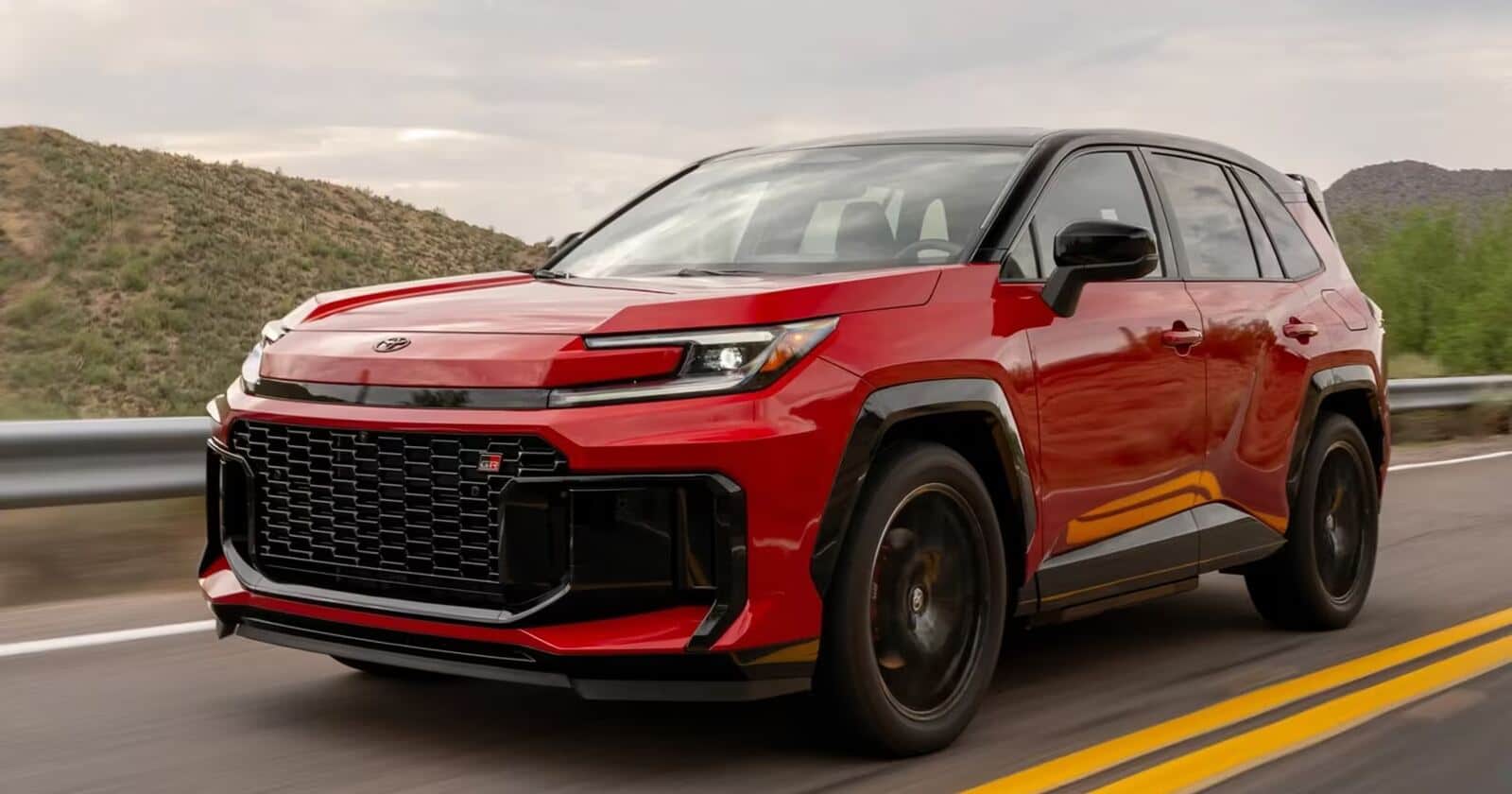
Image: ITzine
Toyota may bring physical buttons and switches back to the RAV4 if owners reject the model’s growing reliance on touchscreen controls. Yoshinori Nagane, the RAV4's chief engineer, acknowledged that the company may have gone too far in moving functions onto the central display.
That admission is notable for a brand whose reputation has long been built on practicality. The latest RAV4 still retains dedicated controls for volume, climate temperature, and drive-mode selection. However, airflow adjustment and seat heating have been moved into the touchscreen.
Nagane did not dispute the criticism. He indicated that Toyota could reconsider the interface in future updates if feedback from owners is strongly negative. The company is now closely monitoring that reaction, rather than treating isolated social-media complaints as decisive.
Recommended reading
XPeng Targets Russia With Yandex Services and 12-Minute Charging
What remains physical in the new RAV4
Toyota has not eliminated physical controls altogether. The current crossover still uses separate buttons and knobs for frequently used functions, creating a compromise between the industry’s push toward digital interiors and drivers' established habits.
The debate is not simply about nostalgia. Touchscreens make it easier to change interior designs between models and can give cabins a more premium appearance, particularly in electric and hybrid vehicles. But basic operations can become harder to understand and require drivers to take their eyes off the road for longer.
That issue matters especially for the RAV4, one of Toyota’s highest-volume models. Buyers in this segment generally expect a straightforward everyday vehicle, where a clearly marked climate-control button may be more useful than an elaborate screen animation.
Nagane also pointed to a distinct preference among Chinese buyers. According to him, many local customers no longer want vehicles in which every function depends on a display; they prefer physical knobs and switches. China is a major market for Toyota, with intense competition among mainstream crossovers and cabin interfaces increasingly influencing purchase decisions alongside efficiency and driving range.
If the new RAV4 receives a broadly negative response, Toyota could use that feedback to restore more physical controls in a model update. If the touchscreen layout does not create widespread frustration, the company may keep the current arrangement and make only targeted changes. The outcome will show whether a clean digital cabin works as well on the road as it does in a presentation.

Frontier Editor
Dan is our resident futurist, covering electric mobility, space exploration, and the smart home. He's interested in atoms just as much as bits. Whether it's a new battery chemistry, a reusable rocket, or a protocol that finally makes IoT devices talk to each other, Dan breaks down the engineering that pushes humanity forward.
via ITzine