• 2 min read
Spandex binder keeps batteries running past 200 cycles
A spandex-based DHP binder helped lithium-ion batteries retain 86.8% capacity beyond 200 cycles, versus decline after about 95 cycles.
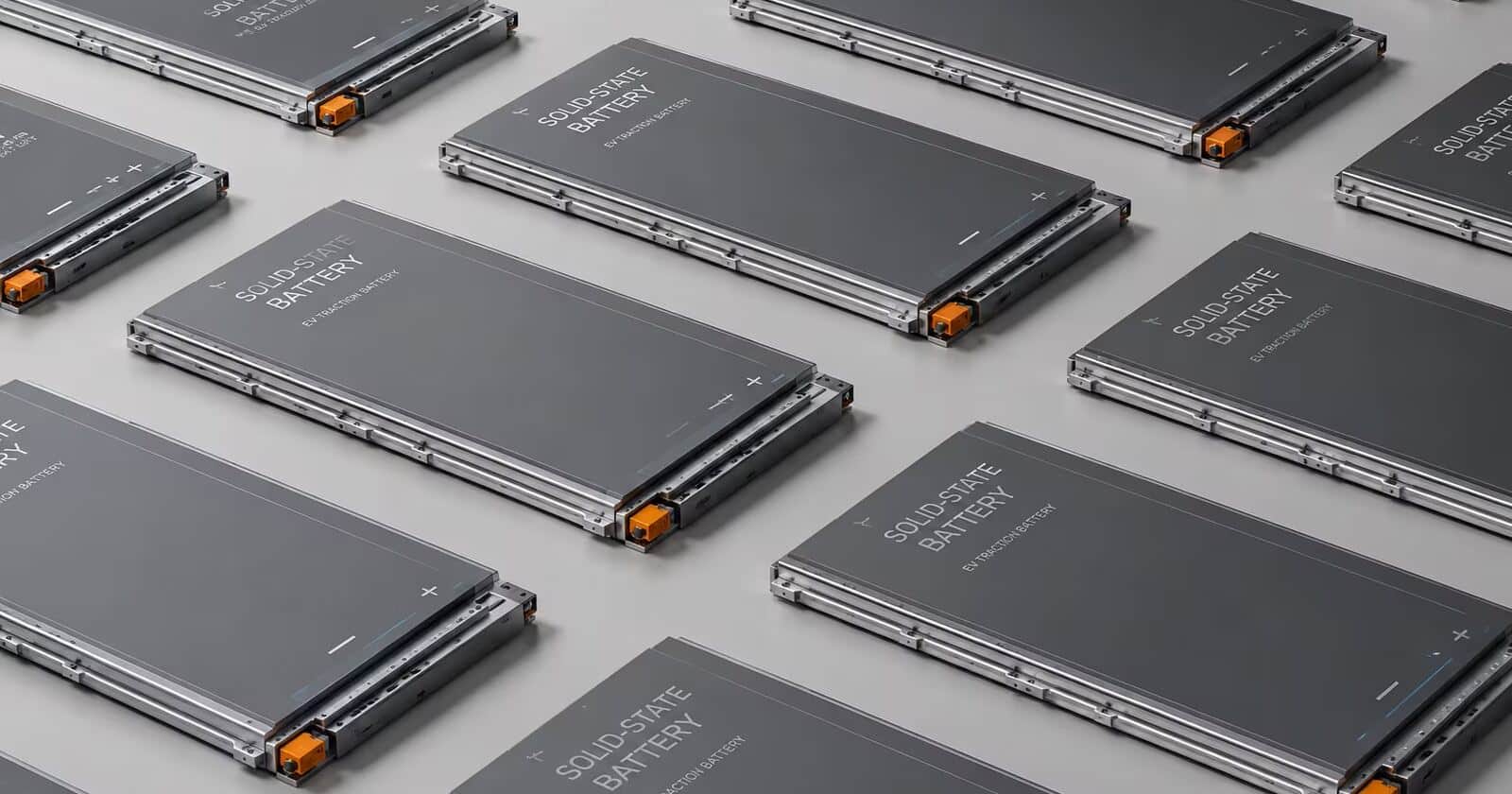
Image: ITzine
A polymer binder made partly from spandex helped a lithium-ion battery retain 86.8% of its capacity after more than 200 cycles, according to researchers in South Korea. Conventional binders began showing a noticeable decline at roughly 95 cycles.
The material, developed by scientists at Sungkyunkwan University and Seoul National University, is called Dual-Acting Hybrid Polymer (DHP). The researchers see its main application in batteries for electric vehicles, where range depends not only on cell chemistry but also on how the electrodes withstand repeated charging and discharging.
How the DHP binder works
DHP combines spandex with polyacrylic acid, giving the binder two separate functions:
- Spandex provides elasticity and helps the electrode tolerate cracking.
- Polyacrylic acid holds the electrode particles together.
- During the first cycles, the material also forms a protective lithium interface.
The approach targets a problem that becomes more severe with thick, high-capacity electrodes. During drying, conventional binders can distribute unevenly and migrate toward the surface, weakening the electrode structure. That can reduce both electrical conductivity and mechanical strength.
Recommended reading
Boeing targets Starliner’s return by late 2026
The researchers report that DHP provides almost twice the adhesion strength of PVDF, a commonly used binder. It is also compatible with existing production lines, meaning manufacturers would not need to rebuild their equipment to adopt the material.
What remains to be tested
Using existing manufacturing processes could make DHP more practical than laboratory materials that work only in a narrow cell design or require new equipment. The researchers say the material could eventually be used in mass-produced electric-vehicle batteries and industrial energy-storage systems if its reported performance is confirmed in larger-scale production and road testing.
The source does not provide a price for the binder, and those tests have not yet been reported. At commercial volumes, the cost of DHP will be as important as its durability: even a small per-cell change matters when manufacturers are producing millions of batteries.
Author at itzine.ru since 2021, writing about smartphones, gadgets, hardware, artificial intelligence, space, and the technology industry.
Frontier Editor
Dan is our resident futurist, covering electric mobility, space exploration, and the smart home. He's interested in atoms just as much as bits. Whether it's a new battery chemistry, a reusable rocket, or a protocol that finally makes IoT devices talk to each other, Dan breaks down the engineering that pushes humanity forward.
via ITzine