• 2 min read
SpaceX puts Nvidia Rubin chips in orbital AI data center
SpaceX says its Starmind AI1 orbital data-center satellites will use Nvidia Rubin GPUs and Vera CPUs, with testing planned for early 2027.
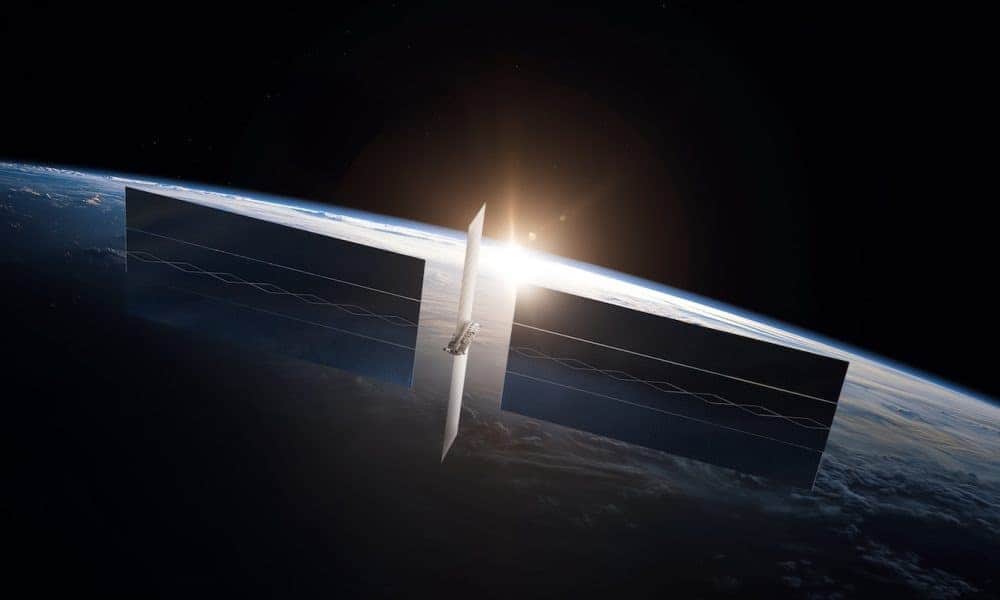
Image: iXBT
SpaceX is putting Nvidia’s next-generation hardware at the center of Starmind AI1, an orbital data center designed to run artificial-intelligence workloads in space. The company has now disclosed the satellite’s core hardware: each spacecraft will use an Nvidia Rubin GPU and Nvidia Vera processors.
The announcement marks the first official description of Starmind AI1's computing configuration. It also ties the project directly to Nvidia’s broader Vera Rubin platform, which the chipmaker has positioned as the foundation of its next AI infrastructure generation.
SpaceX targets 10 GW of AI infrastructure
During SpaceX’s second-quarter report, Elon Musk said the company had decided to build its AI infrastructure exclusively with Nvidia hardware, describing the Vera Rubin architecture as the best available option. SpaceX also expects the combined computing capacity of its infrastructure to reach 10 GW by the end of 2027.
That figure applies to SpaceX’s entire computing infrastructure, not to the Starmind satellite constellation. It therefore does not establish how much processing power each satellite will provide, or how large the eventual orbital fleet will be.
According to Interesting Engineering, testing of the first Starmind AI1 prototype is planned for early 2027, with mass production potentially beginning later that year if development stays on schedule. SpaceX has not announced how many satellites the system will include.
Recommended reading
IBM commits $50 million to AI-led quantum research
The satellite’s open engineering questions
The Rubin-and-Vera pairing establishes the main compute hardware, but the company has not disclosed the system’s storage architecture, network design, or real-world performance targets. It also has not said how far the project has progressed toward obtaining the approvals needed to deploy the constellation.
Running data-center-class hardware in orbit presents constraints that terrestrial facilities do not face. Starmind AI1 will need to handle radiation, remove heat in a vacuum, maintain a dependable power supply, recover from failures, and move data at high speed without routine servicing.
For now, Nvidia’s hardware choice is the clearest technical detail SpaceX has provided. The missing satellite count, performance figures, network architecture, and regulatory status mean the announcement identifies the platform—but not yet the scale or operational capability of the proposed orbital data center.
Frontier Editor
Dan is our resident futurist, covering electric mobility, space exploration, and the smart home. He's interested in atoms just as much as bits. Whether it's a new battery chemistry, a reusable rocket, or a protocol that finally makes IoT devices talk to each other, Dan breaks down the engineering that pushes humanity forward.
via iXBT