• 2 min read
IBM commits $50 million to AI-led quantum research
IBM will spend up to $50 million on quantum-computer access for US labs using AI to match scientific problems with existing algorithms.
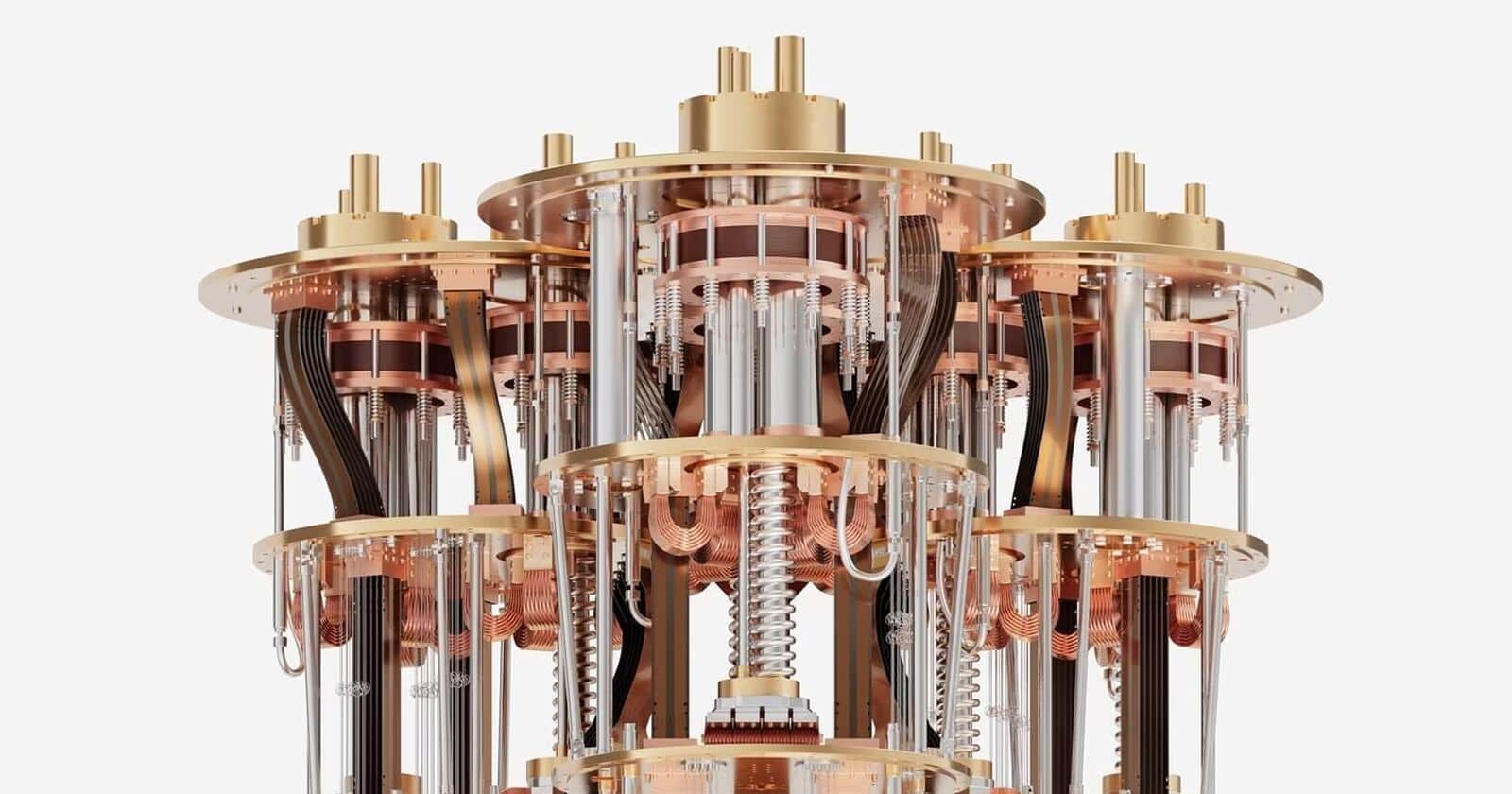
Image: ITzine
IBM plans to invest up to $50 million over five years to give US national laboratories and their partners access to the company’s quantum computers. The funding is tied to IBM’s participation in the first phase of the US Department of Energy’s Genesis Mission, which will use AI agents to identify scientific problems suited to existing quantum algorithms.
ITzine, citing iXBT, reported that IBM wants to reverse the usual order of quantum-computing research. Rather than beginning with a problem and attempting to develop a quantum algorithm for it, an AI agent would first study published research, identify problems that match known algorithms, evaluate the strongest candidates, and assist with verification.
How Genesis Mission will test the approach
Genesis Mission is designed to bring AI, high-performance computing, quantum computers, scientific instruments, and research data into a shared computing infrastructure. IBM says the initiative will require work across multiple layers, including hardware, system architecture, and algorithms.

Recommended reading
SpaceX puts Nvidia Rubin chips in orbital AI data center
During the first phase, participants will assess whether these AI systems can accelerate the search for promising research directions and make scientific work more efficient. Potential matches between algorithms and research problems will not be accepted solely on the basis of an AI recommendation. They will undergo expert review, an assessment of the required computing resources, and testing on IBM’s real quantum hardware, rather than only in simulation.
That hardware access is the practical core of IBM’s commitment. The company is not simply offering model-generated suggestions: the selected proposals are intended to be evaluated against the constraints of actual quantum machines. The source does not specify how many laboratories, projects, or quantum-computing hours the $50 million will cover.
The Genesis Mission infrastructure is also expected to include the AMD Lux supercomputer in October. The source does not provide further details about AMD Lux’s role or explain whether its addition is part of IBM’s $50 million commitment.
The plan’s significance is therefore less about a new quantum processor than about changing how researchers find useful workloads for existing quantum algorithms. Its success will depend on whether the AI-generated matches survive expert scrutiny and produce meaningful results on physical quantum systems—not just plausible candidates in published literature or simulation.
Frontier Editor
Dan is our resident futurist, covering electric mobility, space exploration, and the smart home. He's interested in atoms just as much as bits. Whether it's a new battery chemistry, a reusable rocket, or a protocol that finally makes IoT devices talk to each other, Dan breaks down the engineering that pushes humanity forward.
via ITzine