• 2 min read
Space AI Data Centers Hit the Starship Bottleneck
Space-based AI data centers depend on Starship’s launch costs, satellite production and servicing. Market participants see the 2030s as the likely window.
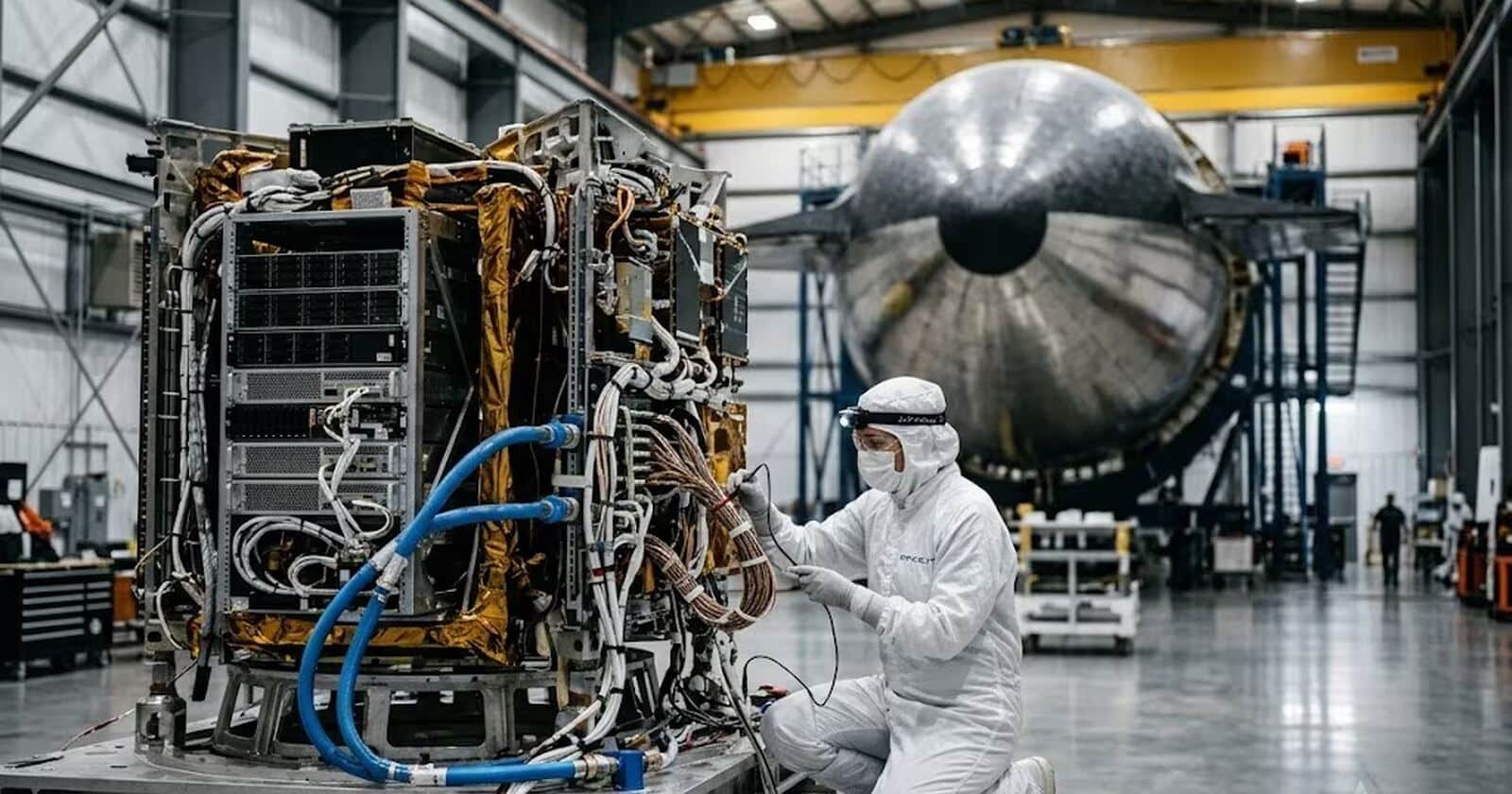
Image: ITzine
Elon Musk and Sam Altman have traded public jabs over space-based AI data centers, but the dispute reflects a practical constraint as much as personal ambition. Orbital computing depends on launch costs, satellite production rates, and when SpaceX’s Starship can operate at the required scale.
The exchange began with a remark from Musk. OpenAI’s chief executive then said that promises about space data centers made to public-market investors appeared to be on an overly short timeline. The proposal would place computing capacity in orbit for AI workloads, including processing model requests.
The rationale is straightforward. Earth-based data centers are already constrained by electricity, cooling, and available sites, while demand for AI computing is growing faster than new infrastructure can be built. Orbit could shift some workloads beyond those terrestrial limits, without requiring scarce land or another power-grid connection.
Why Starship is central to the plan
SpaceX’s concept for computing satellites is tied to Starship. The strategy depends on making the rocket fully reusable and sharply reducing the cost of putting payloads into orbit. Without that reduction, orbital data centers could become prohibitively expensive even for a market accustomed to large infrastructure bills.
Recommended reading
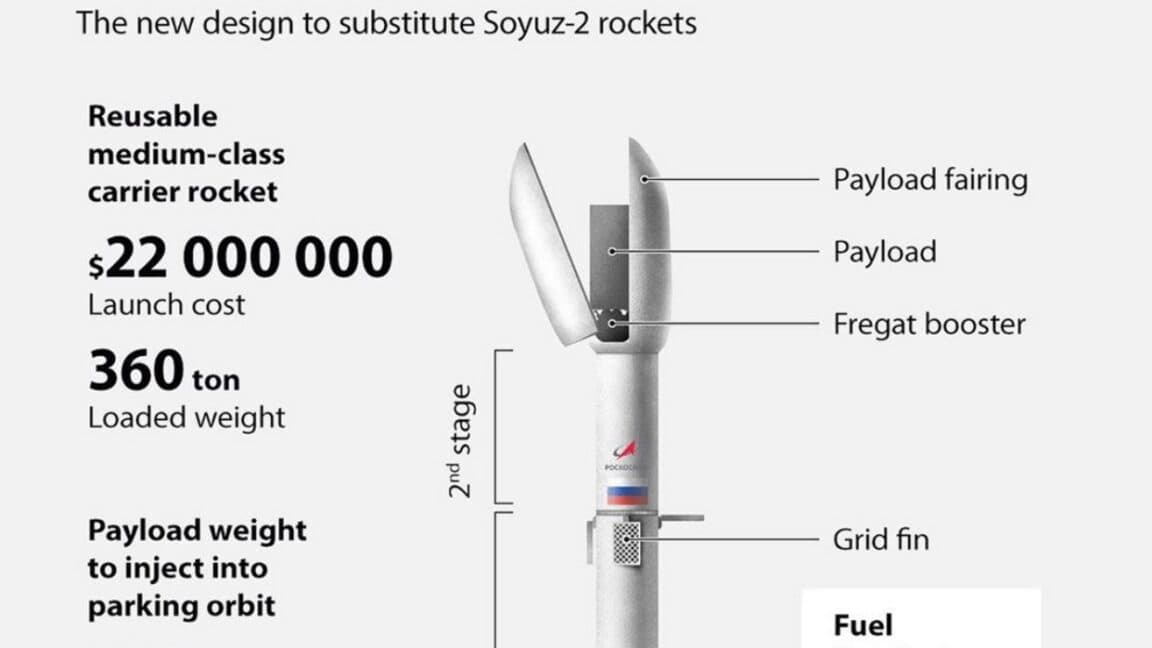
Russia’s Falcon 9 rival is still only a demonstrator
Reusability, however, will not arrive after a single successful launch. Even if SpaceX returns both stages during upcoming tests, the vehicle would not immediately operate like a routine cargo truck. Industry estimates suggest regular commercial service could still be several years away.
SpaceX has also previously indicated to investors that Starship might initially operate without full reusability, sacrificing the second stage after every launch. That may be tolerable for conventional satellites, but it is close to fatal for orbital computing infrastructure, where the recurring cost of launching each payload determines whether the business can work at all.
What orbital computing needs to scale
Individual satellites carrying computing hardware could technically appear in the next few years. Limited experiments and targeted workloads are far more realistic than a full orbital data-center network.
Mass deployment would require:
- Low-cost launches
- Large batches of identical satellites
- A workable in-orbit servicing model
Without those elements, an orbital server fleet will remain an impressive investor presentation rather than business infrastructure. Based on estimates from market participants, the most likely window for such systems is the 2030s. Until then, the argument over space-based AI data centers will remain a test of technology, budgets, and investor patience.

Frontier Editor
Dan is our resident futurist, covering electric mobility, space exploration, and the smart home. He's interested in atoms just as much as bits. Whether it's a new battery chemistry, a reusable rocket, or a protocol that finally makes IoT devices talk to each other, Dan breaks down the engineering that pushes humanity forward.
via ITzine