• 2 min read
Google turns 3,977 emoji into open-source 3D models
Google’s open-source Noto Emoji 3D models bring depth to 3,977 emoji while new research and contrast tools target clearer digital expression.
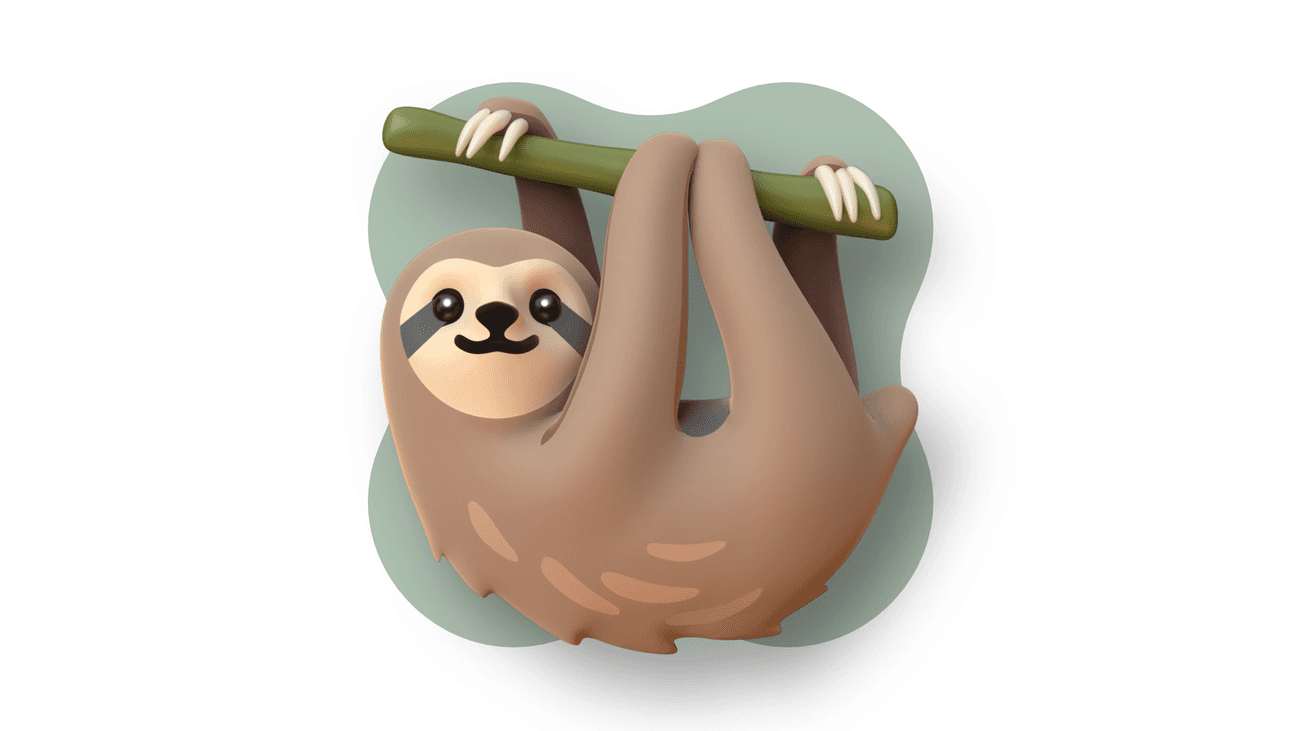
Image: Hacker News
Emoji have moved beyond literal labels. A nail-polish symbol once meant someone was getting their nails done; today, 💅 can add a shrug, wink or “it’s fine but it’s actually not fine” subtext to a message.
On World Emoji Day, Google is highlighting how its 3,977-character emoji set is evolving with online expression—and introducing Noto Emoji 3D, a fully open-source collection of true 3D models.
How emoji expression is changing
According to Gboard Federated Analytics, “face with tears of joy” (😂) was once the most popular emoji. After declining for several years, it fell down the rankings by 2025. The crying face (😭) now better captures the internet’s mix of humor, devastation and overwhelm, while “rolling on the floor laughing” (🤣) reflects a preference for more dramatic reactions.
Recommended reading
Cadence’s World Cup Pods Are 10% Off
Heartbreak is shifting, too: usage has moved from the broken heart (💔) toward the wilted flower (🥀), Google says.
Noto Emoji 3D is open source
Google says its designs prioritize expression over photorealism. A kangaroo, for example, does not need anatomical accuracy to communicate its playful character. Large-scale user studies found that people generally prefer full-body animals to floating heads, while adding props can reduce comprehension. Even small changes—such as reversing the direction of a wink—can create confusion or unintended offense.
The process still starts with 2D drawings, but Noto Emoji 3D is available as genuine 3D models. Google had to answer questions that do not arise with flat graphics, including what the back of a smiley should look like: a concave mask, a solid ball or a sheet of paper.
Because the Noto portfolio is open source, Google is releasing raw .OBJ files for use in VR environments, indie applications and memes.
Improving emoji contrast
Dark skin tones can be difficult to distinguish in dark mode. Google says it built an AI-powered contrast tool that checks emoji at the pixel level, flags low contrast ratios and suggests higher-contrast alternatives for designers.
Google is inviting people to remix, reshape and repurpose the new models—extending Noto Emoji 3D into uses its designers did not anticipate.

Design & UX Editor
Yuki believes that a great product is defined by how it feels. She critiques software interfaces, hardware ergonomics, and the philosophy of design in tech. With a background in industrial design, she analyzes the subtle decisions that make tools intuitive or infuriating. She advocates for accessible, human-centric technology.
via Hacker News