• 2 min read
Decoy Font hides text from AI in plain sight
Mixfont’s free TTF overlays two letters in one glyph so humans can read one message while image-based models often see another.
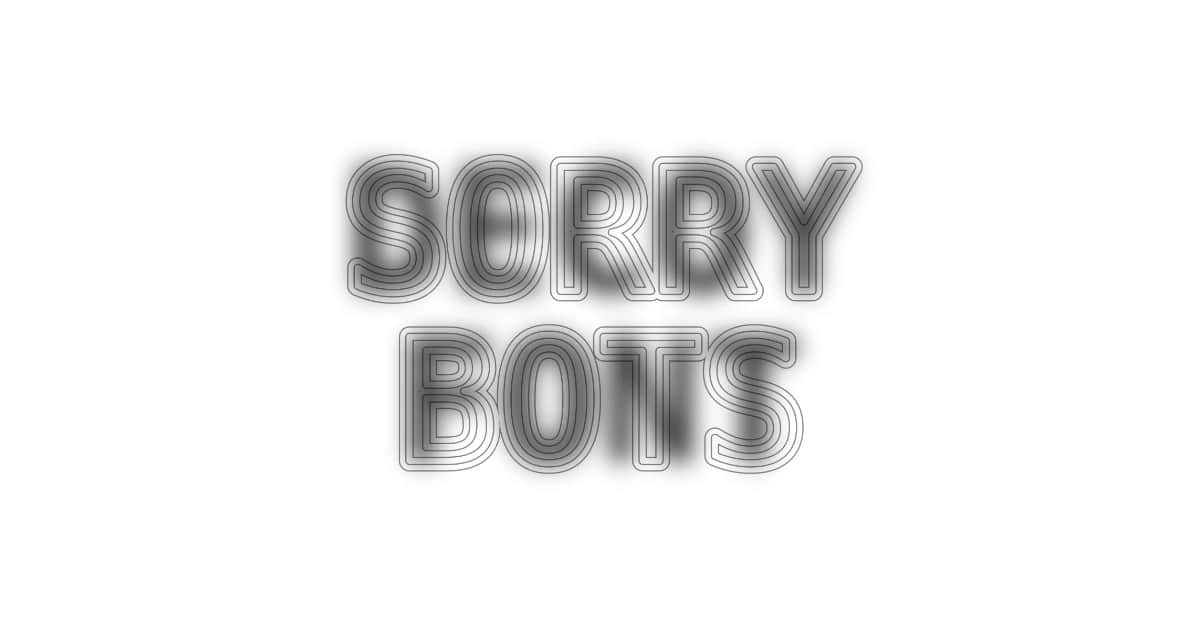
Image: Hacker News
A new free TTF font from Mixfont is designed to make text harder for AI systems to read by embedding a decoy message inside every letter. Called Decoy Font, it presents one reading up close and a different one from farther away, using the same visual trick behind hybrid images.
According to Mixfont, each glyph combines thin foreground outlines with a blurred, low-frequency background mass. The result is two letters occupying the same space: image-based systems tend to lock onto the sharply outlined foreground, while a human viewer stepping back or squinting can read the hidden message.
The project page says that behavior is enough to confuse models including ChatGPT, GPT Sol, and Gemini 3.5 with Thinking when they are given a single image of the text. Mixfont also says screenshots of paragraphs written in the font can be misread by ChatGPT even when the intended message looks obvious to a person.
How Decoy Font works
Mixfont says the font is based on the well-known hybrid image technique, famously demonstrated with the combined image of Albert Einstein and Marilyn Monroe. Here, that idea is applied to typography instead of photography, with the aim of obscuring words from AI scrapers and OCR.
Unlike some prior experiments, Decoy Font is distributed as an actual installable font file rather than an animation-based effect. Mixfont positions that as a practical advantage over its earlier Ghost Font, which hides text through motion.
Recommended reading
Type foundry draws a hard line against AI
The font is free to use in personal, commercial, and client projects. Its letterforms are derived from DejaVu Sans Mono, and Mixfont points users to the original font license for terms.
Limits and possible uses
Mixfont is clear that the approach is not a guarantee. More capable models, especially those with coding or agent-style tooling, may still work out the hidden letters, and simple prompting could tell a system to look for both messages.
Still, the project frames Decoy Font as a useful first layer of friction for:
- deterring scraping
- obscuring text in images
- private messages between friends
- possible future use in captcha-like systems
The creator also suggests the technique could become a benchmark for testing text-recognition models, and says it may be worth extending to more languages, including Chinese, where similarly sized characters could make hidden overlays easier to construct.
Mixfont has made the Decoy Font download and an interactive playground available on its site, where users can test different letter combinations against their own eyes — and against their favorite model.

Design & UX Editor
Yuki believes that a great product is defined by how it feels. She critiques software interfaces, hardware ergonomics, and the philosophy of design in tech. With a background in industrial design, she analyzes the subtle decisions that make tools intuitive or infuriating. She advocates for accessible, human-centric technology.
via Hacker News