• 2 min read
Type foundry draws a hard line against AI
Mass-Driver says it uses no AI in design or production, arguing typography depends on human craft, history, and local expertise.
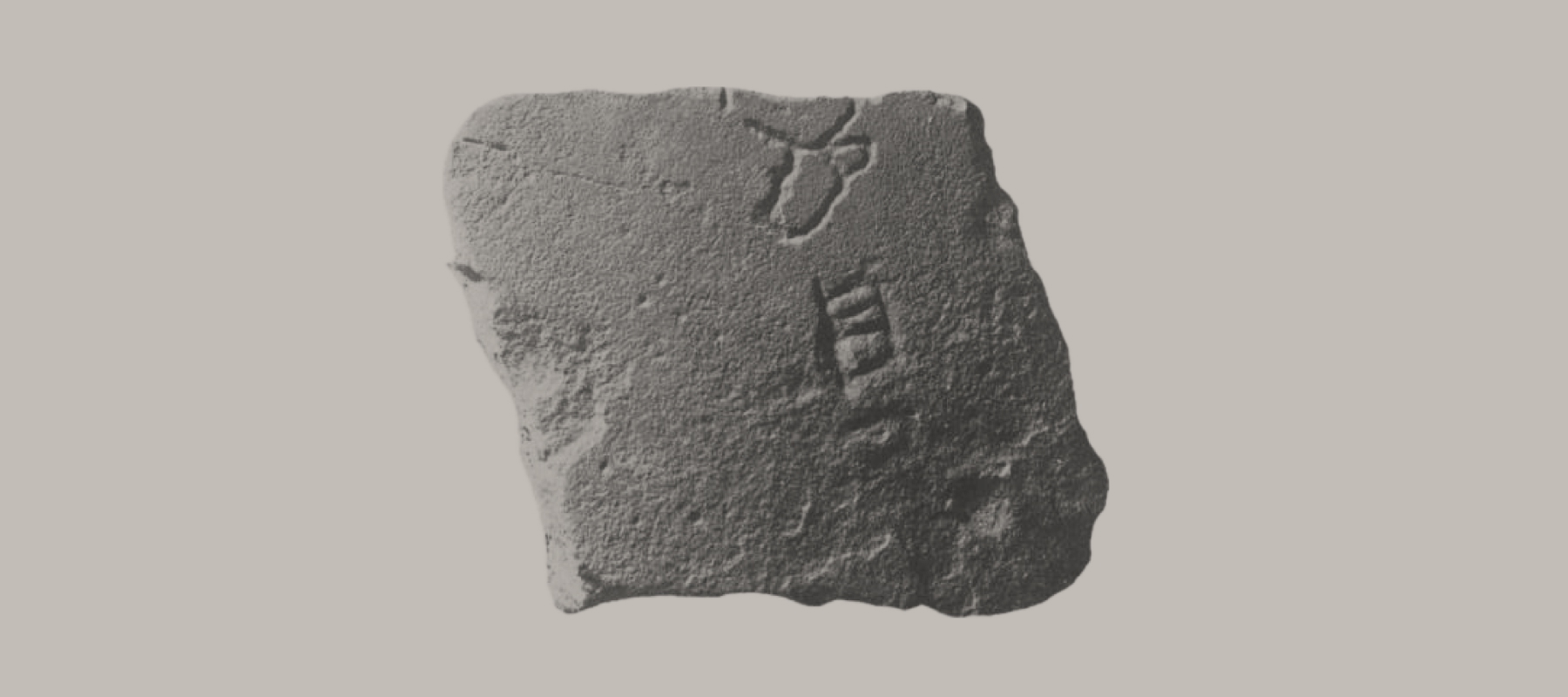
Image: Hacker News
A type foundry is making its position unusually explicit: Mass-Driver says it does not use AI anywhere in its design or production processes.
In an essay titled “We don’t use AI in any of our design or production processes,” the foundry argues that typography is inseparable from the long, physical history of writing itself. The piece traces the letter A back roughly 3,500 years to an ox-head mark, aleph, and uses that lineage to make a broader point: letterforms are not abstract outputs, but the accumulated result of countless human decisions, tools, and bodily constraints.
The essay points to familiar typographic details as evidence. The asymmetry of A, the presence of serifs, and the varying thickness of strokes are described as artifacts of how people once wrote by hand — including the angle of a flat brush and the limits of a writer’s wrist. In that view, invention comes from friction with materials and technique, not from prompting a model trained on existing work.
Mass-Driver is especially blunt about generative tools such as Midjourney and ChatGPT. It says those systems can remix what already exists, but cannot produce the kind of new calligraphic or typographic thinking that grows out of lived experience.
Recommended reading
Brainless brings Claude-style UI to shadcn
“AI might be a scenic path with no hills or hindrances, but it does not lead to the goal we’re chasing. It leads to a fucking desert. Our work is from human hands. Always has been. Always will be.”
The essay also makes an industry argument, not just an aesthetic one. According to the foundry, there are still not enough good typefaces, and many languages remain poorly served by existing type design. It warns that systems trained on what is already well represented online will not help communities and scripts with limited data, and could instead freeze visual culture around what was most visible on the web as of about 2021.
For Mass-Driver, the risk is that if AI takes too much market share, support for new designers and local typographic expertise dries up — and the door stays shut for the people and languages that need new type most.

Design & UX Editor
Yuki believes that a great product is defined by how it feels. She critiques software interfaces, hardware ergonomics, and the philosophy of design in tech. With a background in industrial design, she analyzes the subtle decisions that make tools intuitive or infuriating. She advocates for accessible, human-centric technology.
via Hacker News