• 2 min read
Russia’s Falcon 9 rival is still only a demonstrator
Russia’s Amur-LNG reusable rocket was meant to debut in 2026, but Roscosmos says it is still developing a first-stage demonstrator.
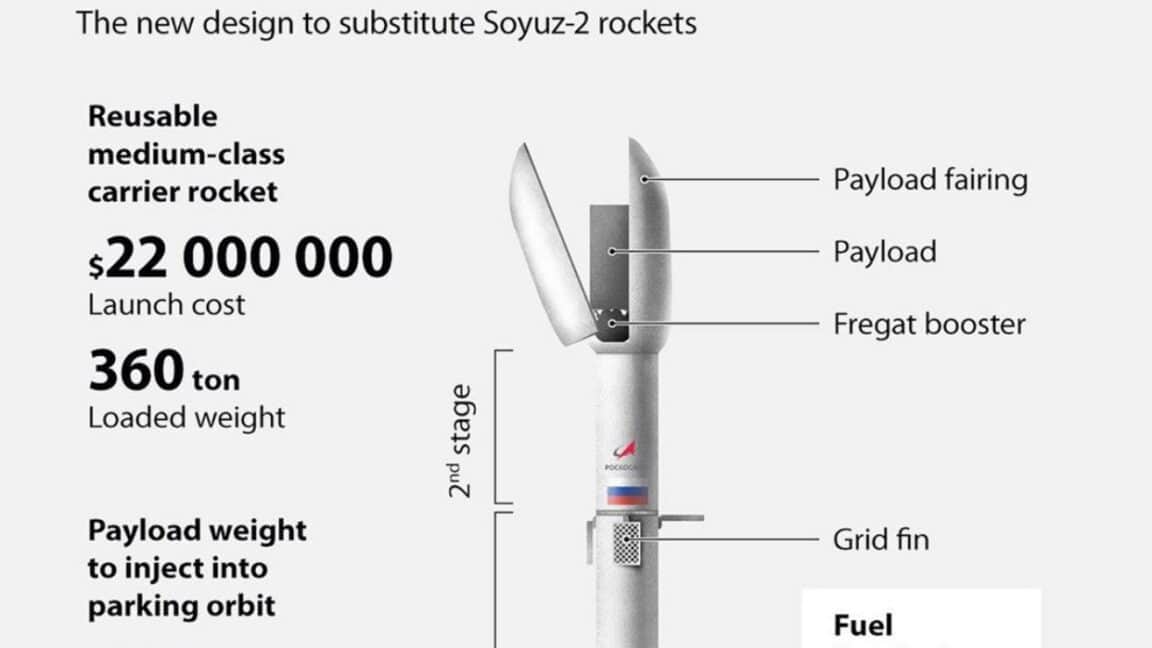
Image: Ars Technica
Reusable rockets are becoming a global test of launch capability, but Russia’s effort to field one remains stuck in development. China last week joined the countries that have launched an orbital mission and safely returned its booster, while Japan is conducting hop tests and Honda has performed vertical reuse tests.
In the United States, SpaceX routinely launches and lands reusable rockets. Blue Origin has demonstrated that it can land and relaunch a large orbital booster, although its New Glenn is temporarily grounded. Stoke Space, Rocket Lab, and Relativity Space are also working toward partially or fully reusable systems.
Amur-LNG’s development timeline
Russia’s state-backed space corporation, Roscosmos, unveiled the Amur-LNG nearly six years ago. The rocket was clearly designed in response to SpaceX’s Falcon 9 and was planned to feature a reusable first stage powered by methane engines. In reusable mode, it was intended to deliver 10.5 metric tons to low-Earth orbit.
Russian officials initially said Amur would debut in 2026—roughly now. But new comments suggest the program is not yet close to an orbital launch.
Recommended reading
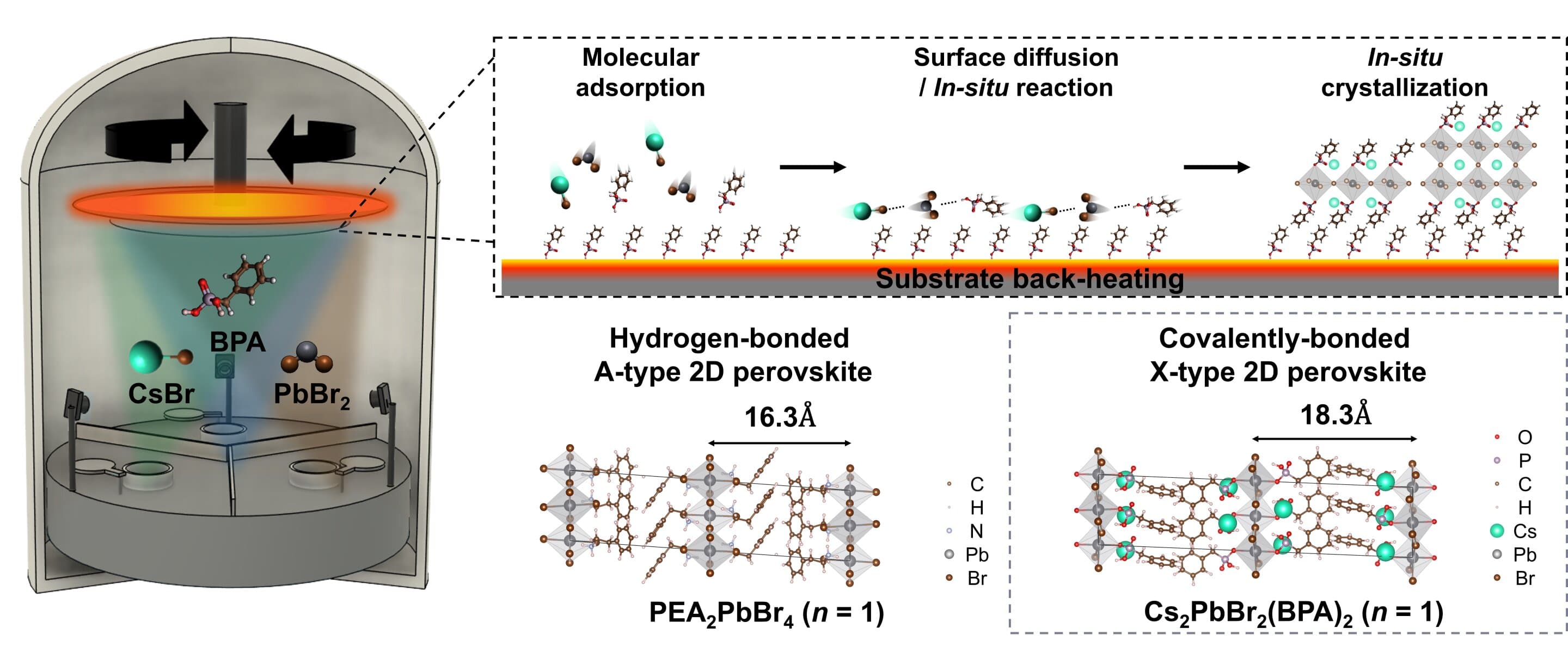
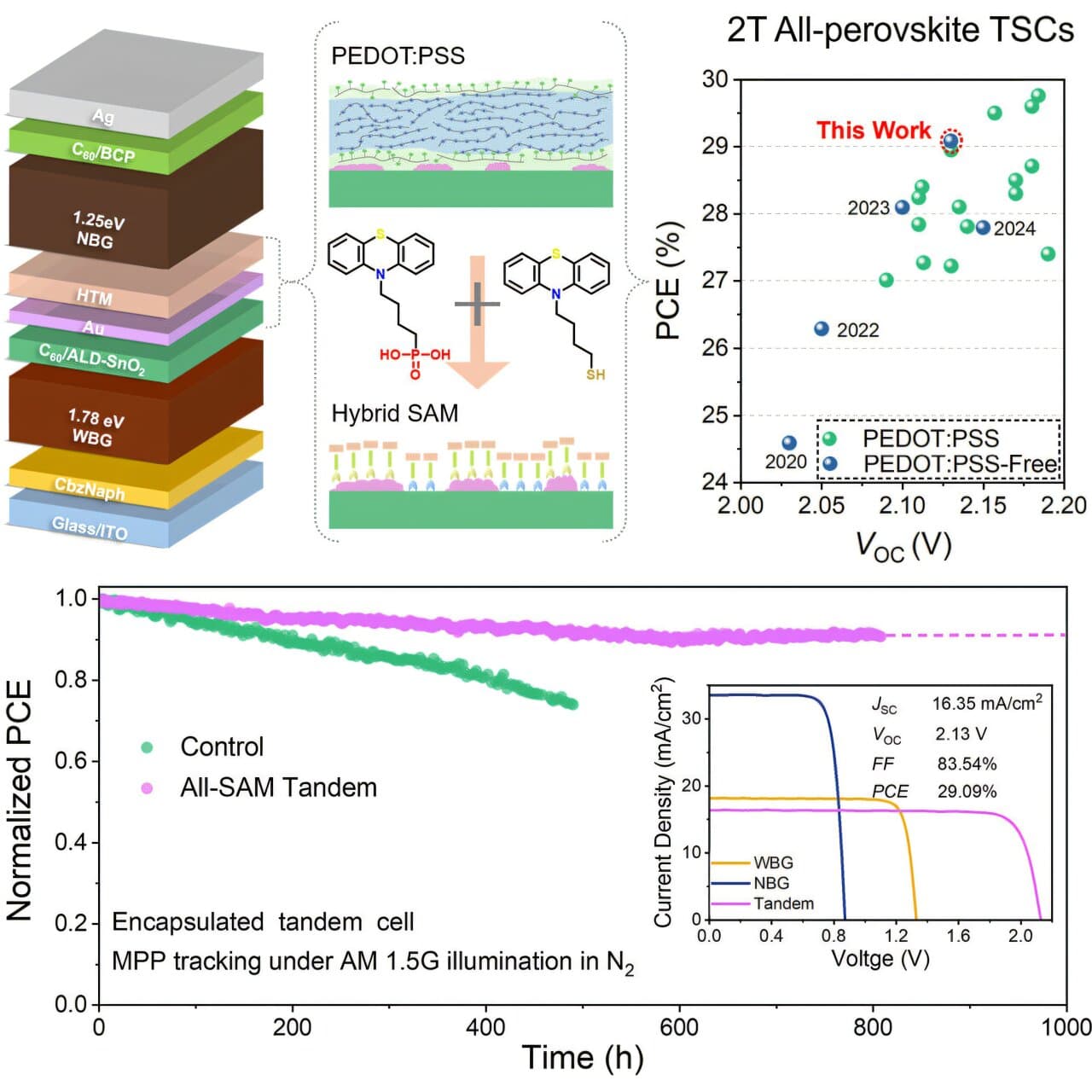
Molecular Layers Push Perovskite Tandems to 29.1%
In an interview this week with the RBC business publication, Dmitry Baranov, Roscosmos' Deputy Director General for Rocket Programs, said the current priority is developing a “demonstrator” for the rocket’s first stage.
That milestone indicates Russia is still working on an early development vehicle while other countries and companies are already testing, launching, landing, or relaunching reusable orbital boosters.

Frontier Editor
Dan is our resident futurist, covering electric mobility, space exploration, and the smart home. He's interested in atoms just as much as bits. Whether it's a new battery chemistry, a reusable rocket, or a protocol that finally makes IoT devices talk to each other, Dan breaks down the engineering that pushes humanity forward.
via Ars Technica