• 3 min read
Snapdragon C targets $300 Windows laptops with 6nm efficiency
Qualcomm wants to do for low-cost Windows laptops what its Snapdragon chips already did for premium ones: make Arm look less like a compromise. The new Snapdragon C platform is aimed at entry-level machines expected to s
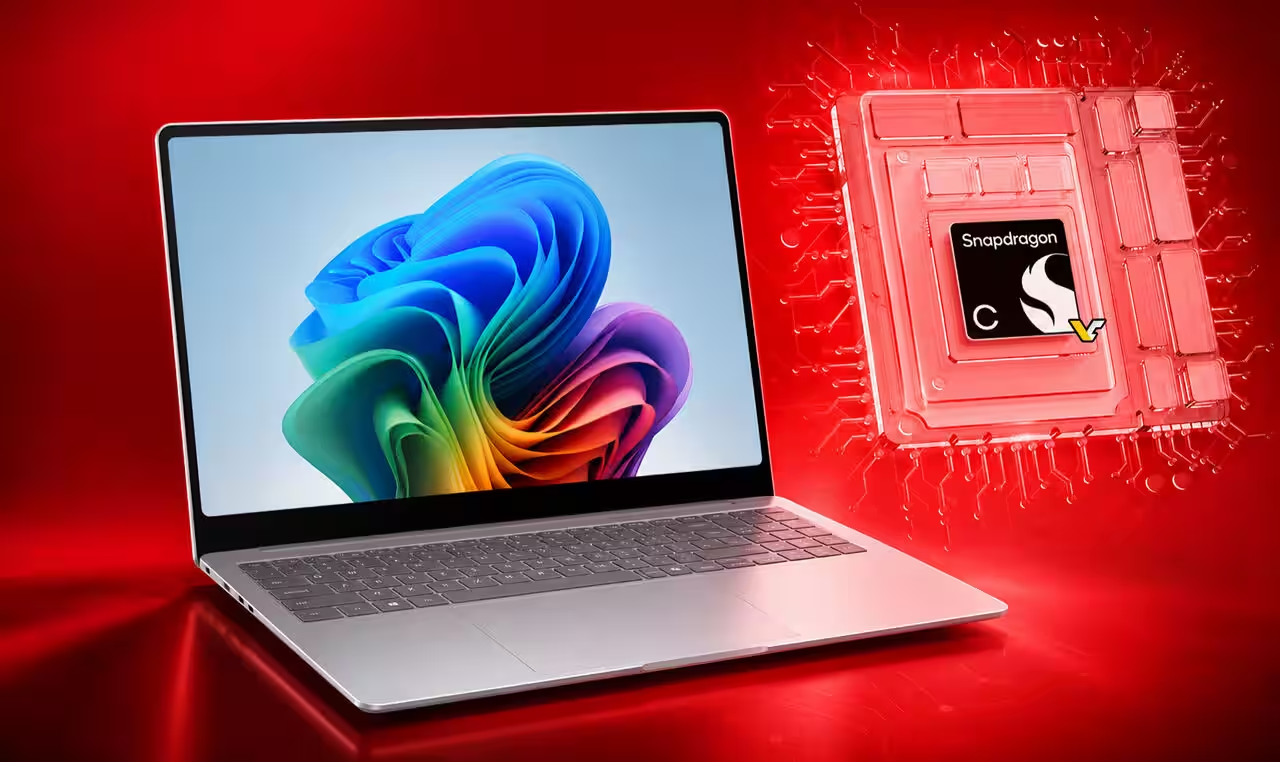
Qualcomm wants to do for low-cost Windows laptops what its Snapdragon chips already did for premium ones: make Arm look less like a compromise. The new Snapdragon C platform is aimed at entry-level machines expected to start around $300, and it arrives with a specific pitch – students, families, and small businesses that want web browsing, streaming, video calls, and basic productivity without paying for a chunky x86 box that gets hot and loud.
Qualcomm is not pretending this is a Copilot+ play. Instead, it is leaning into efficiency, battery life, and quieter operation, which is exactly where budget Windows laptops have usually been weakest. That matters because the sub-$400 segment has been dominated by aging Intel and AMD systems for years, while Chromebooks have picked up plenty of buyers who care more about endurance than bragging rights.
Snapdragon C rumored specs
Qualcomm kept the announcement light on technical detail, but leaks have filled in some of the blanks. Snapdragon C is said to use a 6nm process and an eight-core CPU in a 1+3+4 setup, along with an Adreno GPU running at 900MHz. It also supports LPDDR5 memory and includes a small on-device AI engine.

Recommended reading
OpenAI’s first gadget is a $230 coding keypad
- Process: 6nm
- CPU: eight cores in a 1+3+4 configuration
- GPU: Adreno at 900MHz
- Memory: LPDDR5
- AI: small on-device engine, but not Copilot+ class
That last part is the interesting bit. The chip’s AI block is not powerful enough for Microsoft’s Copilot+ PC branding, but it should still handle lighter local AI tasks instead of sending everything to the cloud. For a budget laptop, that is a sensible middle ground: useful enough to matter, cheap enough to stay in range.
Acer, HP, and Lenovo are first in line
Qualcomm says several manufacturers are already preparing Snapdragon C laptops, including Acer, HP, and Lenovo. Acer’s Aspire Go 15 looks set to be one of the first examples, with the kind of student-friendly hardware buyers expect in this class: a larger display, decent storage, and modern connectivity.
The timing is smart. The PC market has been splitting into two camps: pricey AI-ready machines on one side, and bargain-bin laptops that often feel dated out of the box on the other. Snapdragon C is trying to wedge itself into the gap, offering better stamina and a more modern feel without jumping into premium pricing. If Qualcomm gets the performance right, that could put real pressure on both low-end Windows rivals and Chromebooks.
Why Snapdragon C could pressure Chromebooks
Paper specs are one thing; budget laptops live or die by how they behave after a week of actual use. Qualcomm can talk up responsiveness and cool, quiet operation all it wants, but buyers will care more about app compatibility, battery life under load, and whether this platform feels fast enough once a browser has too many tabs open. If Snapdragon C delivers there, Arm-based Windows laptops may finally stop being treated like a niche option below $500.
The more interesting question is how quickly rivals answer. Intel and AMD are not going to hand Qualcomm the low end for free, and Chromebook vendors will not enjoy a better Windows alternative creeping into their price territory. The next wave of budget laptops could be a lot less boring than the current one.

Computing Editor
Tomas lives in the terminal. He covers chips, laptops, and operating systems with a focus on performance and efficiency. He reads kernel changelogs the way other people read fiction, and he's always on the hunt for the perfect mechanical keyboard switch. If it processes data, Tomas has an opinion on it.