• 3 min read
Apple gives Siri a new face, an app, and deeper AI smarts
Apple is using WWDC 2026 to push Siri into something much closer to a real assistant, not just a voice button with a nice attitude problem. The company says the upgraded Siri is powered by a second-generation on-device A
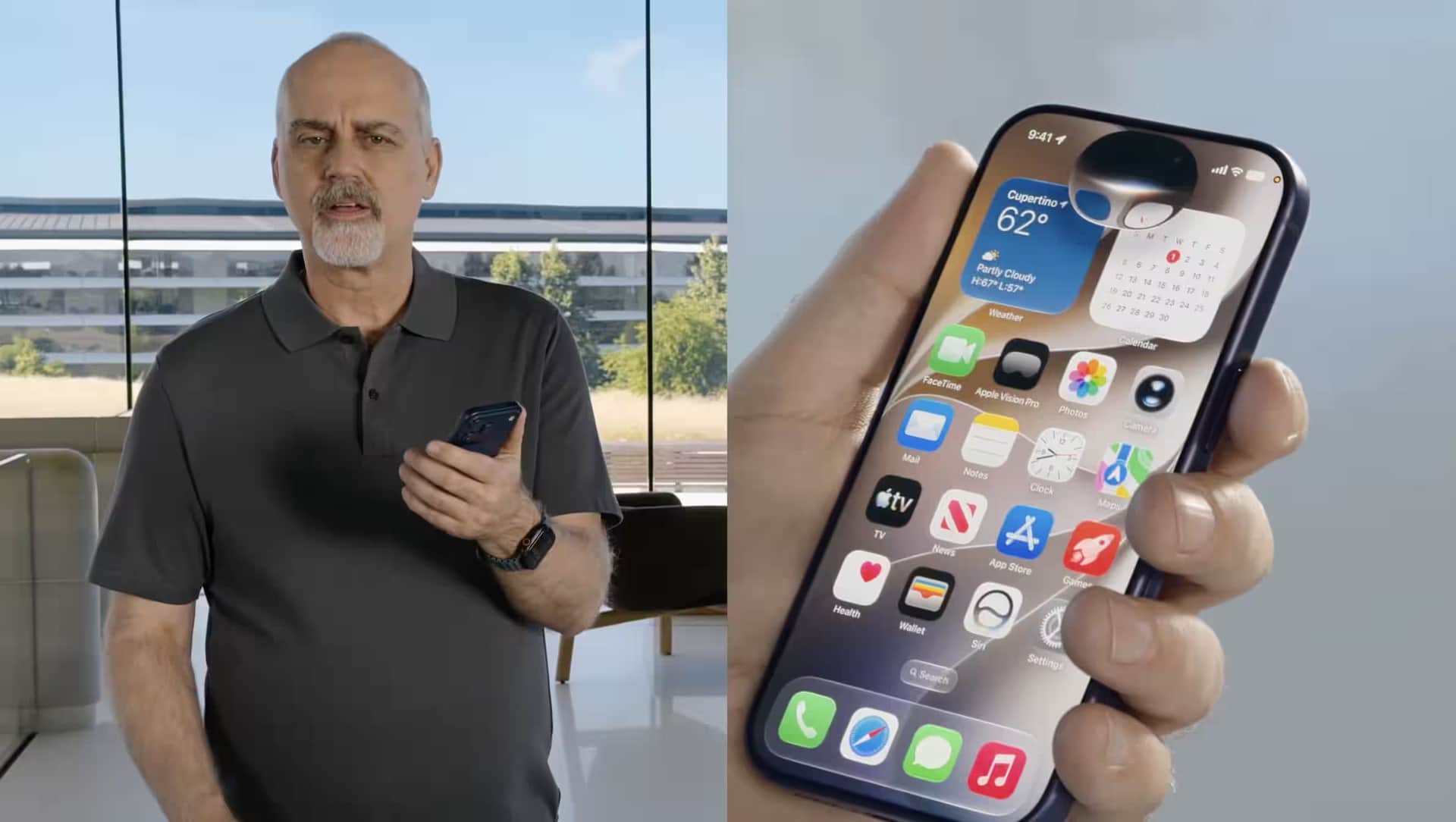
Image: 9to5Mac
Apple is using WWDC 2026 to push Siri into something much closer to a real assistant, not just a voice button with a nice attitude problem. The company says the upgraded Siri is powered by a second-generation on-device Apple Intelligence model, gets a dedicated app, adds on-screen awareness and personal context, and spreads into the Mac, Apple Watch, Vision Pro, CarPlay, AirPods, and even the Camera app in iOS 27.
The broader strategy is obvious: keep the AI work on-device where possible, wrap it into everyday apps, and make Apple’s long-delayed Siri overhaul look like a platform upgrade rather than a single feature drop. That also puts Apple in the same race as Google and Samsung, both of which have been leaning hard on AI assistants as the next reason to care about a phone upgrade.
Siri gets a new interface and more control
The revamped Siri swaps out the colorful edge effect for a darker Dynamic Island-based look on iPhone, and Apple says it can be opened by swiping down on the Dynamic Island or through the usual Siri triggers. On the Mac, Siri now lives inside Spotlight and gets its own dedicated app, plus a monochrome menu bar icon that is long overdue.
Recommended reading
ChatGPT goes down worldwide, OpenAI confirms
Apple is also expanding what Siri can do with voice. Users will be able to adjust pace and expressivity rather than choosing from a small set of preset voices, and “Write with Siri” is part of the package too. The company says Siri chats are synced privately across iCloud, which is exactly the kind of privacy claim Apple loves to put in bold when competitors are training models in the cloud.
Apple Intelligence reaches more system apps
Beyond Siri, Apple Intelligence is getting threaded into the apps people actually use all day. Safari can now organize tabs by topic, update those topics as you browse, and move or close tabs accordingly; it also gains a Notify Me feature for watching pages for changes and a new “Describe an extension” tool for creating web extensions from natural language.
- Passwords can update multiple saved passwords with one tap.
- Messages can suggest reminders, notes, and photos based on chat context.
- Calendar accepts natural language for events, including contacts and locations.
- Phone can surface details such as flight confirmation numbers during calls to airlines.
Apple says these features run on-device, which is the cleaner pitch: faster responses, fewer privacy headaches, and less dependence on the kind of server-side AI everyone is trying to outspend everyone else on. That said, the real test will be whether the features feel genuinely helpful or just like Apple Intelligence wearing a nicer watch.
Camera, Home, and Image Playgrounds get AI upgrades
Apple is also pushing Siri into the Camera app as a dedicated mode in iOS 27. It can split a bill, and it can identify information from posters to add multiple calendar events, while Visual Intelligence with Siri is coming to visionOS 27 and Siri itself lands in English first before expanding to more languages.
Home is getting AI-generated accessory notifications and text descriptions for HomeKit Secure Video clips, plus 4K support for HomeKit Secure Video. Shortcuts can now be created with natural language prompts, and Image Playgrounds is being repositioned away from basic AI image generation toward editing and enhancing user photos, including backgrounds and contact posters. That is a smarter bet than trying to out-Midjourney the world with novelty slop.
The bigger question is whether Apple can turn this sprawling list into a coherent experience before rivals move again. For now, Apple has at least done the hardest part: making Siri feel like a product people might actually ask for by name.
AI Editor
Ava covers the rapidly evolving world of artificial intelligence, from foundational models and research labs to the real-world economics of intelligence. With a background in computational linguistics, she cuts through the hype to find out what actually works. She firmly believes that benchmarks are just marketing until reproduced in the wild.
via 9to5Mac