• 2 min read
China’s Shenzhou-21 crew returns after 210 days and a capsule swap
Three Chinese taikonauts have come home after 210 days in orbit, returning on the Shenzhou-22 capsule after a space debris crack grounded their original ride. Their landing on 29 May 2026 closed out China’s longest crewe
Image: ixbt.com
Three Chinese taikonauts have come home after 210 days in orbit, returning on the Shenzhou-22 capsule after a space debris crack grounded their original ride. Their landing on 29 May 2026 closed out China’s longest crewed spaceflight yet, and one of its most awkward.
The Shenzhou-21 crew – commander Zhang Lu, Wu Fei, and Zhang Hongzhang – touched down at Dongfeng in Inner Mongolia at 20:11 Beijing time. China’s usual station rotations last about 180 days, so this mission stretched well beyond the standard timetable and turned a routine handover into a crisis-management exercise.
A cracked window changed the whole mission
The chain reaction started after Shenzhou-21 arrived at Tiangong on 31 October last year to relieve Shenzhou-20. Before the outgoing crew could head home, inspectors found a crack in the return capsule’s window, believed to have been caused by space debris. That made a normal trip back too risky, which is the sort of sentence no space agency wants to hear out loud.
Recommended reading
Starlink V5 dish drops 62% in weight
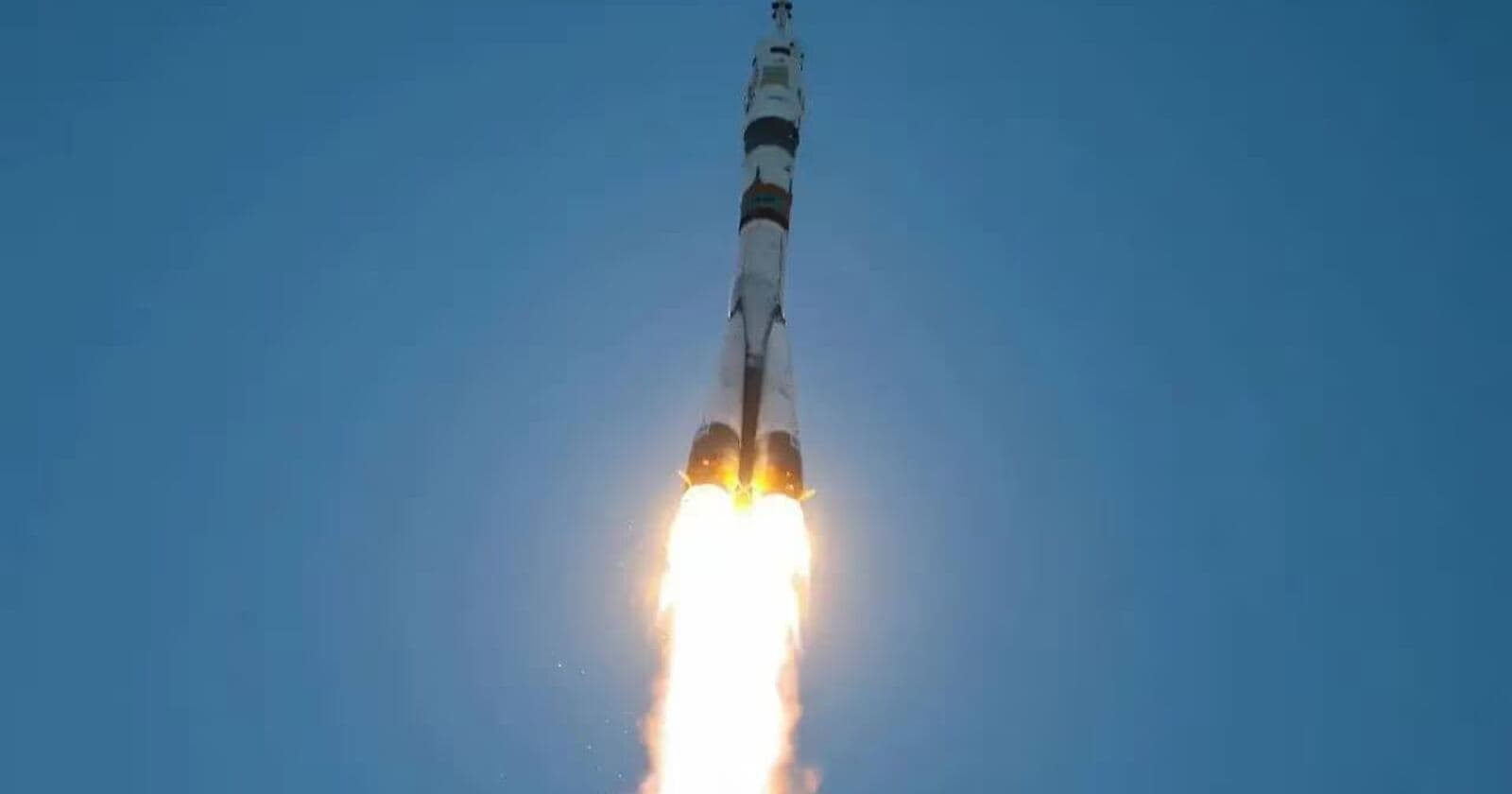
China responded fast. On 14 November, the stranded Shenzhou-20 crew came back aboard the newer Shenzhou-21 spacecraft, leaving the newly arrived team without a ride of their own. To fix that gap, China launched Shenzhou-22 in fully uncrewed mode on 24 November, effectively turning it into a long-term lifeboat for the station crew.
Shenzhou-22 became the rescue capsule
That backup capsule did the job. The Shenzhou-21 astronauts spent the rest of their stay in orbit with Shenzhou-22 ready for departure, while the damaged, empty Shenzhou-20 capsule was sent back automatically on 21 January 2026 and survived re-entry.
- Time in orbit: 210 days
- Spacewalks completed: 3
- Landing site: Dongfeng, Inner Mongolia
- Landing time: 20:11 Beijing time
A record run for China’s crewed program
For Zhang Lu, this was a second trip to space. For Zhang Hongzhang and 32-year-old Wu Fei, it was their first, and Wu became the youngest Chinese astronaut to reach orbit. The crew also completed three spacewalks and carried out experiments in microgravity physics, materials science, space biology, aerospace medicine, and space technologies – a familiar mix for Tiangong, but with more drama than usual attached to it.
Before leaving, the crew handed station control to Shenzhou-23, which arrived at Tiangong on 24 May. China’s station program has now shown it can improvise under pressure, but it has also exposed an uncomfortable reality: orbital debris is no longer a theoretical risk. The next question is whether Beijing treats this as a one-off mess – or the new normal for crew rotations.

Frontier Editor
Dan is our resident futurist, covering electric mobility, space exploration, and the smart home. He's interested in atoms just as much as bits. Whether it's a new battery chemistry, a reusable rocket, or a protocol that finally makes IoT devices talk to each other, Dan breaks down the engineering that pushes humanity forward.
via ixbt.com