• 3 min read
SETI tightens rules for reporting alien signals
Scientists searching for extraterrestrial intelligence have rewritten the playbook for one of astronomy’s messiest moments: the day a weird signal looks a little too interesting. The new SETI and International Academy of
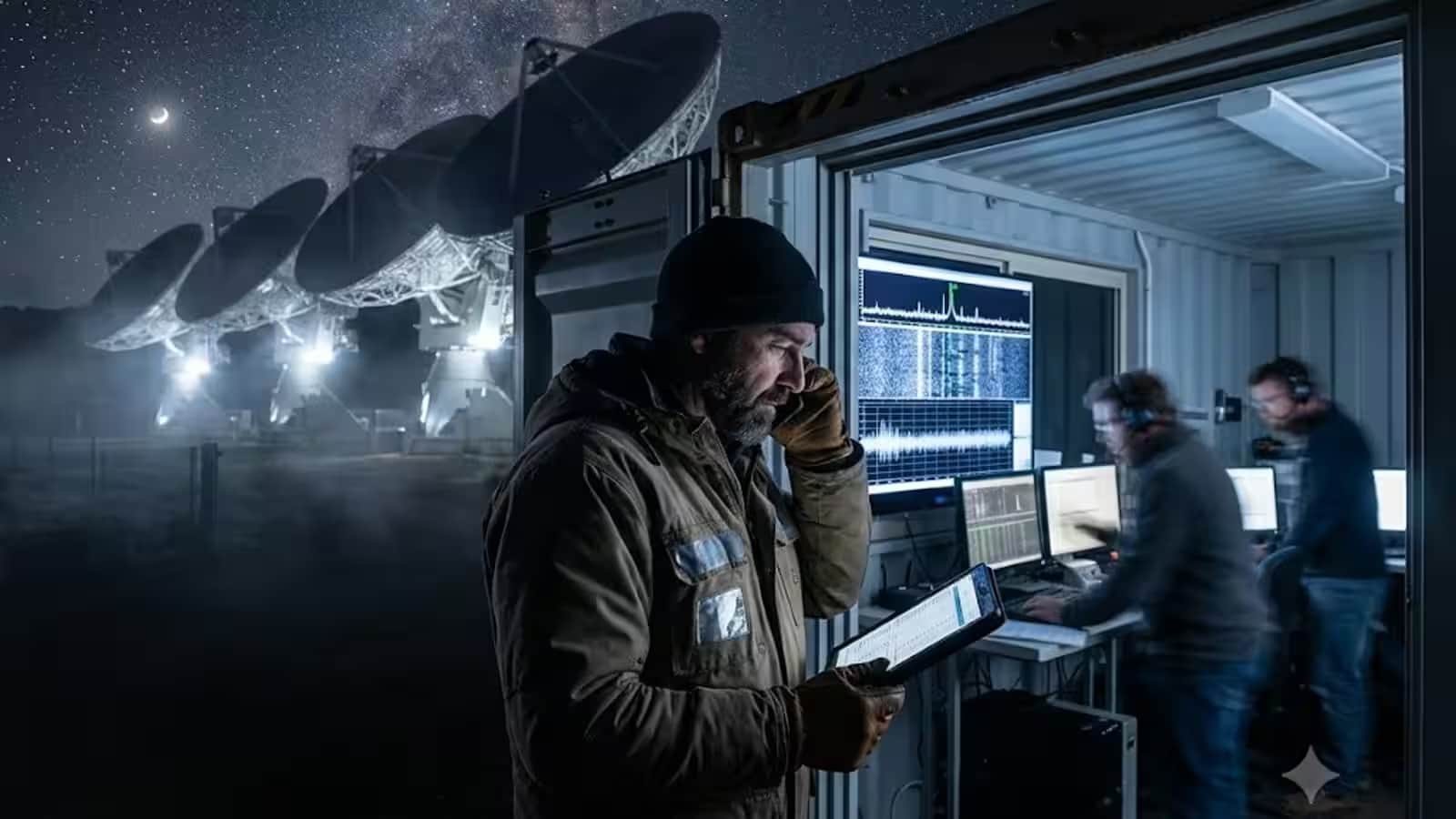
Scientists searching for extraterrestrial intelligence have rewritten the playbook for one of astronomy’s messiest moments: the day a weird signal looks a little too interesting. The new SETI and International Academy of Astronautics guidance raises the bar for verification, pushes open data and peer review, and tries to stop the internet from turning a tentative detection into an alien-contact parade before anyone has checked the math.
The timing makes sense. Astronomy now generates far more data than it did when the previous protocols were written, which means a candidate signal could pop up anywhere – even in observations aimed at something entirely unrelated, such as a protoplanetary disk. That is exactly the sort of surprise that needs a disciplined response, not a press conference with the word “life” thrown around for extra drama.
What the new SETI protocol requires
The updated rules lay out a sequence that starts with independent verification and continues through peer review and public release of the data. The goal is straightforward: maximize transparency, but only after the evidence has survived enough scrutiny to avoid another false alarm.

Recommended reading
SpaceX may catch Starship on its next flight
- Independent confirmation of the signal
- Peer review before any big claims
- Open publication of supporting data
- Controlled public communication to avoid premature headlines
Social media changed the stakes
One reason this update matters is brutally modern: the media environment has changed far faster than astronomy’s old etiquette. A shaky signal can now ricochet through social platforms in minutes, dragging rumor and wishful thinking along with it, which is how scientific ambiguity becomes public certainty before breakfast.
That is why the new guidance also lets individual researchers decline public comment, even while institutions are expected to move quickly with accurate information. The safety concern is real, too: identifying scientists and their location is much easier now than it was when “public scrutiny” mostly meant a newspaper clipping and a cranky phone call.
Why old false alarms still haunt SETI
The warning label on all of this is history. SETI has seen the damage that follows a bad interpretation, and the article points to CTA-102 in 1965 as a reminder of how quickly mistaken claims can snowball into public spectacle. More recently, the COVID-19 era showed how badly uncertainty is handled when institutions do not have a communication plan ready to go.
The revisions are not legally binding, but that is almost beside the point. In a field where secrecy is increasingly unrealistic and international collaboration is the default, the real contest is between careful science and instant narrative. The new standard says: verify first, publish cleanly, and do not hand social media a half-baked alien story on a silver platter.
What happens if a real signal arrives
If astronomers do catch something genuinely artificial, the protocol will shape the first days of the discovery as much as the discovery itself. The open question is whether the next extraordinary signal will be filtered through this slower, more disciplined process – or whether the pressure to be first will tempt someone to hit “post” before the evidence is ready.
Frontier Editor
Dan is our resident futurist, covering electric mobility, space exploration, and the smart home. He's interested in atoms just as much as bits. Whether it's a new battery chemistry, a reusable rocket, or a protocol that finally makes IoT devices talk to each other, Dan breaks down the engineering that pushes humanity forward.