• 2 min read
Satellite companies top $8.1B in six months
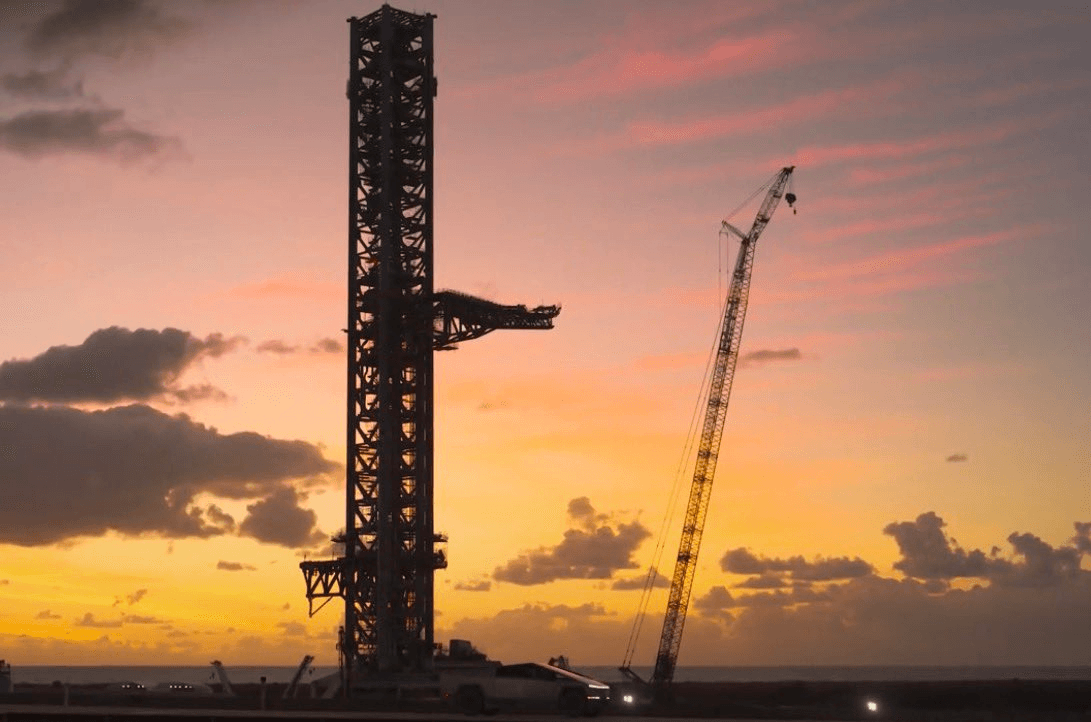
Satellite companies raised $8.1 billion in H1 2026, while space startups drew a record $67.7 billion across the sector.

Image: ITzine
Satellite companies raised $8.1 billion in the first six months of 2026, already surpassing every full-year result recorded by Space Capital. The figure is part of a record $67.7 billion invested across the space sector during the same period.
The biggest satellite deal was Finnish Iceye’s $1.2 billion Series F. The company builds radar satellites and plans to expand spacecraft production, betting on steady demand that includes orders from NATO countries. Individual deals are now approaching the size of major mainstream technology rounds, although space companies still face long development timelines and slow paths to profitability.
Space infrastructure attracts the largest rounds
Across the broader space market, infrastructure companies took the largest share of capital. According to Space Capital, they raised a quarterly record of $20.7 billion. Nearly half came from a $12 billion Series B for Prometheus, Jeff Bezos' startup developing AI models to automate engineering design and manufacturing.
Space Capital also highlighted a new Launch+ category for companies combining launch services with other space businesses. Blue Origin is one example: alongside its rocket program, the company is exploring orbital data centers as a way to reduce pressure on computing capacity on Earth.
Recommended reading
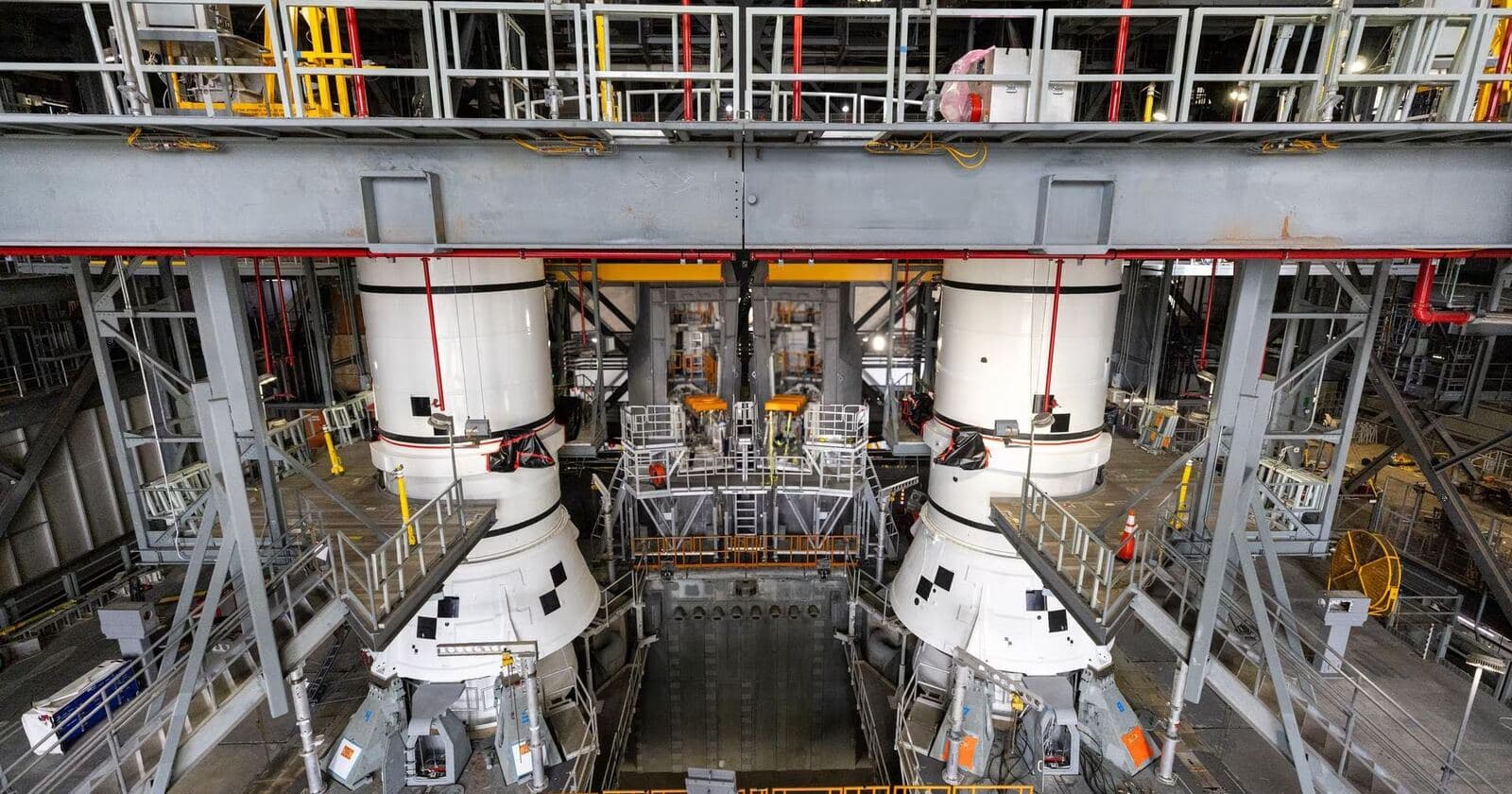
NASA Starts Building the Rocket for Artemis III
Late-stage funding remains difficult
The surge is a sharp change for a sector long associated with infrequent mega-rounds, government contracts and expensive engineering infrastructure. Capital is now flowing into adjacent areas such as AI-powered design, satellite intelligence and launch infrastructure, but the path from seed funding to later rounds remains highly selective.
Of 722 infrastructure companies that received seed funding since 2009, only 19 reached Series E, according to Space Capital. The main financing bottleneck has also shifted: previously, companies most often struggled after Series C; now the critical gap is between Series D and Series E. More startups are reaching later stages, but fewer can make the next jump toward scale.
Investor exits are expanding too. Space-company exit transactions reached $90.4 billion in the second quarter, including the May IPO of HawkEye 360. Space Capital separately counted SpaceX’s June IPO among the major events, valuing the offering at $85.7 billion and the company’s market capitalization at approximately $1.8 trillion.
The Series E data still points to the sector’s enduring constraint: raising capital is only the first hurdle. Companies must also survive long enough to secure the next round.

Frontier Editor
Dan is our resident futurist, covering electric mobility, space exploration, and the smart home. He's interested in atoms just as much as bits. Whether it's a new battery chemistry, a reusable rocket, or a protocol that finally makes IoT devices talk to each other, Dan breaks down the engineering that pushes humanity forward.
via ITzine