• 3 min read
Samsung shows what foldables offer iPhone users
Samsung highlights the Galaxy Z Fold 8's larger-screen advantages as Apple reportedly prepares a foldable iPhone costing more than $2,000.

Image: ITzine
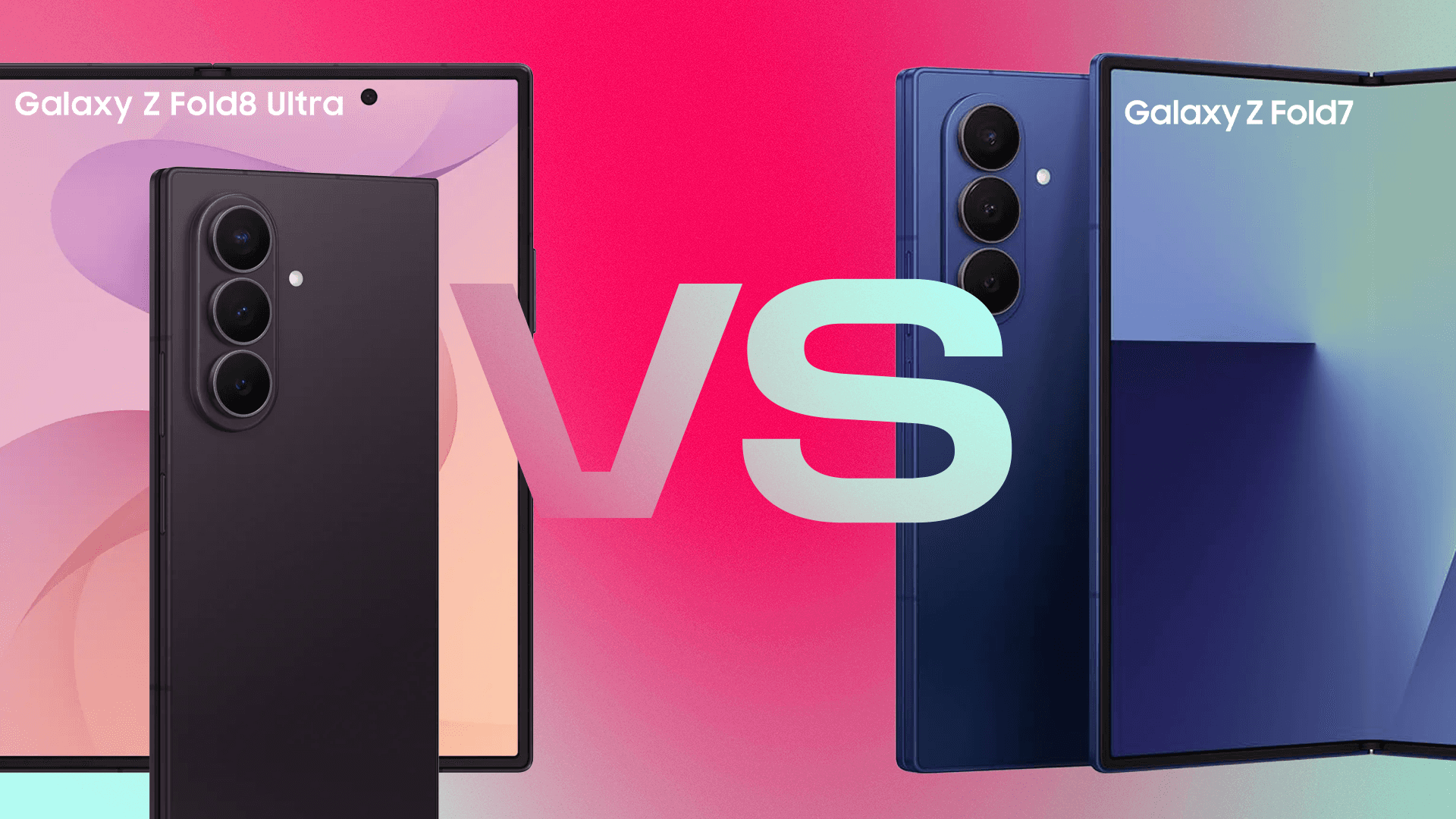
Samsung is using a comparison between the Galaxy Z Fold 8 and iPhone 17 Pro Max to make a straightforward case for foldable phones: when an app is packed with content, screen area can matter more than brightness or refresh rate.
Photo: Ice Universe
Galaxy Z Fold 8 versus iPhone 17 Pro Max
Insider Ice Universe showed how familiar tasks appear on the Fold’s larger internal display. Video, multitasking and dense content feeds all benefit from the extra space. In image search, the Galaxy Z Fold 8 displays four columns, while the iPhone 17 Pro Max shows only two.
Those details can have a greater effect on daily use than specifications that look impressive on paper. Weight is another factor. With devices in this class, a lighter body is easier to tolerate during commutes and more comfortable for long reading sessions on the larger screen.
Recommended reading
Samsung patches Galaxy A55 and A35 with 57 fixes
Samsung has used this argument against conventional large smartphones for years. Standard flagships may keep increasing their screen size, but they do not offer a second operating mode that turns the handset into a small tablet.
Apple’s expected entry into foldables
Foldables are no longer a novelty, although they remain a niche category. Samsung has sold its Fold line since 2019, gradually refining the format for mainstream buyers. Apple, by contrast, is only approaching its first device of this type.
That makes any comparison between a future iPhone and the current Galaxy Fold more than a hardware contest. It tests whether a conventional flagship can compete with a book-style foldable in everyday tasks.
Rumors suggest that Apple’s first foldable iPhone will have an internal display of roughly 7.8 inches and could cost more than $2,000. Apple would be entering a segment where buyers already pay not only for the brand, but also for the hinge, flexible panel and more expensive chassis.
Samsung has spent several generations selling the idea of a “phone plus tablet in one body.” Apple is still looking for its entry point. As conventional flagships approach a ceiling in everyday usability, the first question for Apple’s foldable will not be limited to its cameras or chip. Buyers will first ask whether the device justifies its price.
Weight, hinge and software
Production details add another complication. Earlier reports said Foxconn, which Apple has trusted to assemble the future foldable iPhone, had encountered process revisions.
If Apple enters the category in the next generation, it will need to catch up on several fronts at once:
- weight and thickness;
- hinge design;
- battery life;
- multitasking software.
Software may matter most. Whether a foldable becomes a practical tool or an expensive experiment is usually determined not by presentation slides, but by the way its interface handles the larger screen.
Samsung has had years to adapt its software to the format, giving it an advantage in demonstrations like this. If Apple launches a foldable iPhone rather than merely displaying a polished concept, comparisons with the Fold line will become routine.

Gadgets Editor
Eli is obsessed with the tangible future. He reviews phones, wearables, and everything with a battery. Known for his rigorous testing protocols and unabashed teardowns, Eli has broken more review units than he cares to admit, all in the name of discovering the truth about durability and repairability.
via ITzine